
Persian Gulf Strait Authority (PGSA)
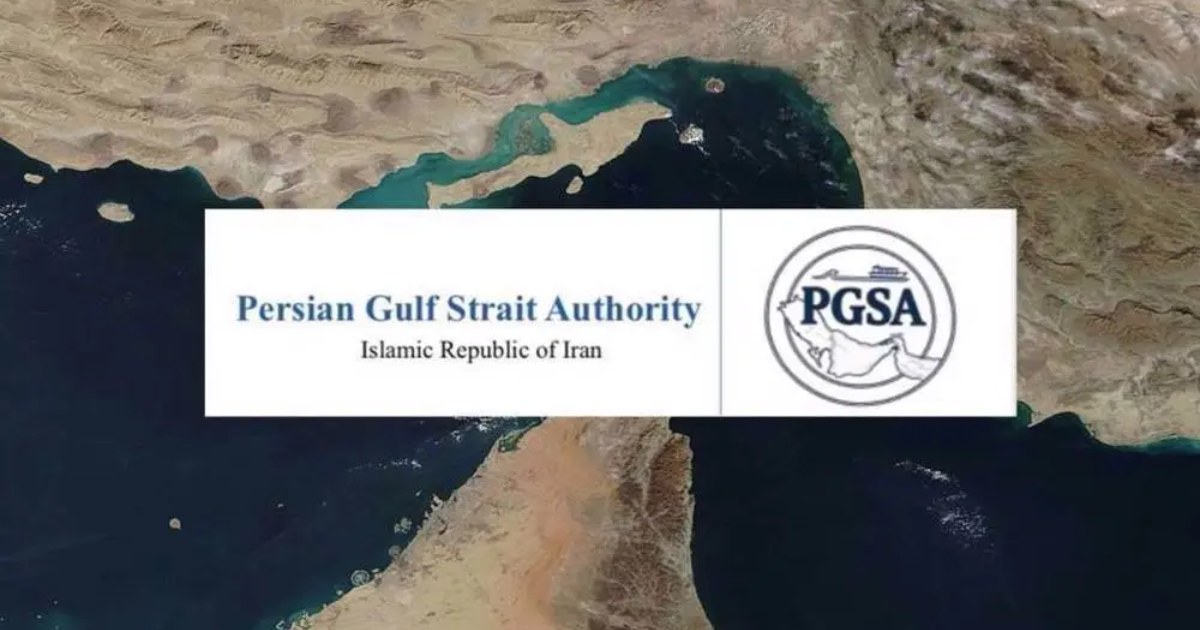
The proposed Persian Gulf Strait Authority (PGSA) marks a significant development in the governance of one of the world’s most strategic maritime chokepoints.
Persian Gulf Strait Authority (PGSA)
Iran has announced the creation of a new regulatory body called the Persian Gulf Strait Authority (PGSA) to manage operations in the strategically important Strait of Hormuz.
About PGSA
The PGSA is designed to function as a maritime regulatory and monitoring authority responsible for:
Monitoring shipping movements in the Strait of Hormuz
Coordinating vessel transit operations
Issuing directives to ships passing through the strait
Requiring transit permits for entry into the waterway
Planning a possible transit toll mechanism (details not yet disclosed)
About Strait of Hormuz
The Strait of Hormuz is one of the world’s most critical maritime chokepoints.
Key Facts
Connects the Persian Gulf with the Gulf of Oman
Lies between:
Iran (north)
Oman and UAE (south)
One of the narrowest but busiest oil transit routes globally
Strategic Importance
1. Global Energy Route
Around 20–25% of global oil trade passes through it
Major exporters like Saudi Arabia, Iraq, UAE, and Kuwait depend on it
2. LNG Transit
Significant share of global liquefied natural gas (LNG) exports also move through it
3. Geopolitical Chokepoint
Highly sensitive region due to tensions between Iran and Western countries
Any disruption impacts global oil prices immediately
Why PGSA Matters
The proposed PGSA is significant because it may:
1. Increase Iran’s Control
Formalises Iran’s regulatory authority over maritime traffic
2. Introduce Transit Fees
Could function like a toll system for vessels
May be used as economic leverage in geopolitics
3. Security Screening
Enhances monitoring of military and commercial vessels
Implications
For Global Trade
Any additional regulation or delays could increase shipping costs
For Energy Security
Countries dependent on Gulf oil (including India, China, Japan) may face price volatility
For Geopolitics
May intensify tensions in an already sensitive region
Significance for India
India is impacted because:
A large share of crude oil imports pass through the Strait of Hormuz
Any disruption affects:
Fuel prices
Current account deficit (CAD)
Inflation
Conclusion
The proposed Persian Gulf Strait Authority represents Iran’s attempt to formalise control over one of the world’s most critical energy chokepoints, the Strait of Hormuz, with potential implications for global energy security and maritime trade.