
Jairam Ramesh moves privilege notice against Union Education Minister (Privilege Motion)
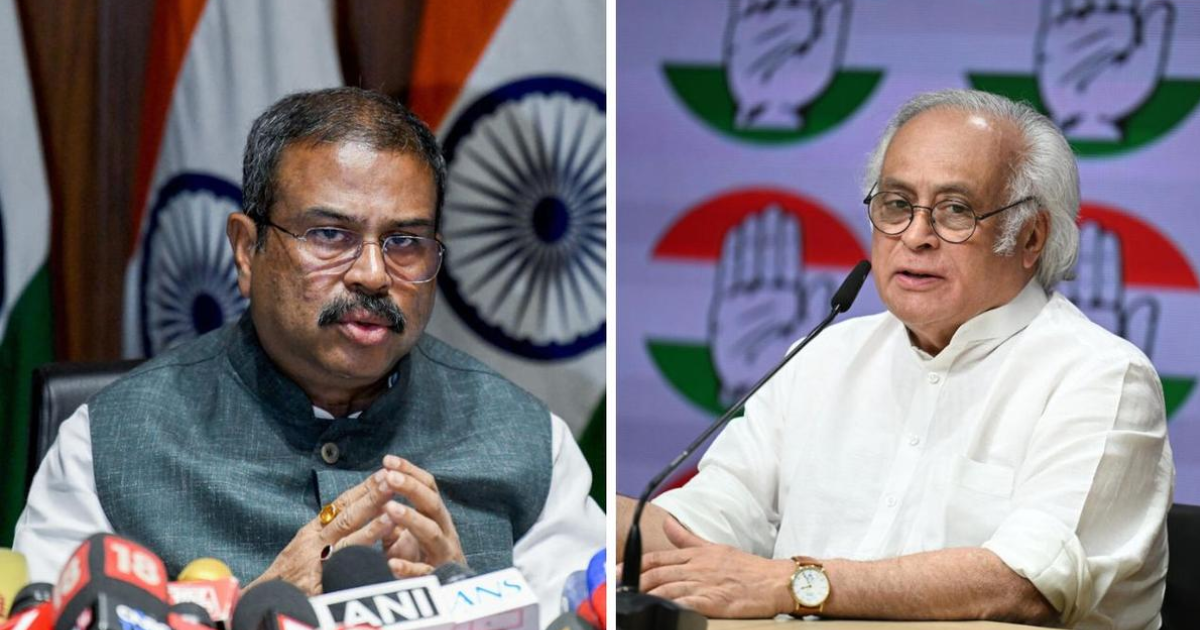
A privilege notice (or privilege motion) was recently moved in the Rajya Sabha against the Union Education Minister, highlighting the constitutional mechanism used to protect the dignity and functioning of Parliament.
Privilege Motion in Parliament
A Privilege Notice has been moved against the Union Education Minister in the Rajya Sabha by an Opposition Chief Whip.
About Privilege Notice
A privilege notice is a formal complaint raised by a Member of Parliament alleging:
Breach of parliamentary privilege, or
Contempt of the House
by:
Another MP, or
A minister, or
Any individual or authority
It is meant to protect the authority, dignity, and functioning of Parliament.
Parliamentary Privileges
Parliamentary privileges are special rights and immunities granted to MPs and the Houses of Parliament under:
Constitution of India Article 105
These privileges ensure:
Freedom of speech in Parliament
Protection from legal action for parliamentary statements
Independence of legislative functioning
What Constitutes Breach of Privilege?
A privilege motion may be raised in cases such as:
Obstructing MPs in their duties
Misleading the House
Making false or defamatory statements about Parliament
Undermining the dignity of the House
Procedure for Privilege Motion
1. Notice Submission
Any MP can submit a written notice to the Presiding Officer
2. Decision by Chair
The Speaker (Lok Sabha) or Chairman (Rajya Sabha) decides:
Whether the motion is admissible or not
3. Committee Stage
If admitted, it is referred to:
Privileges Committee
4. Inquiry
The committee:
Examines evidence
Hears concerned parties
Submits a report to the House
5. Final Action
The House may:
Accept the report
Recommend punishment or warning
Drop the case
Role of Presiding Officers
Speaker of Lok Sabha / Chairman of Rajya Sabha acts as the first filter
They ensure the motion is not politically motivated or frivolous
Significance
1. Protects Parliamentary Dignity
Ensures respect for legislative institutions
2. Maintains Accountability
Holds members and officials accountable for misleading or improper conduct
3. Strengthens Democracy
Ensures smooth functioning of parliamentary democracy
Conclusion
A privilege notice is a key parliamentary mechanism under the Constitution of India Article 105 that safeguards the authority and dignity of the Parliament of India by addressing breaches of trust, misconduct, or contempt of the House.