
pangolins
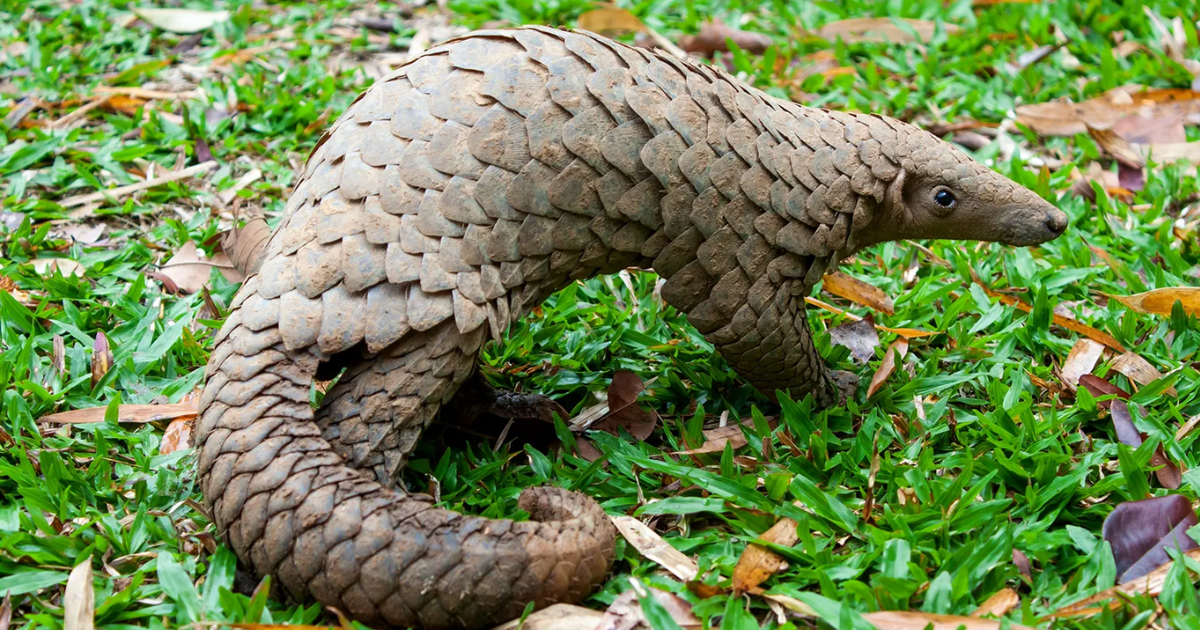
Pangolins are among the most heavily trafficked mammals in the world, and recent conservation efforts are increasingly using DNA mapping techniques to trace illegal trade routes and identify trafficking hubs.
Pangolins
Scientists are increasingly using DNA mapping techniques to trace illegal wildlife trade networks and identify major pangolin trafficking hubs, as pangolins remain among the world’s most heavily trafficked mammals.
About Pangolin
Pangolins are unique mammals known for their distinctive protective covering and specialized diet.
Key Characteristics
Only mammals fully covered with keratin scales
Nocturnal and solitary in nature
Toothless mammals
Have a long, sticky tongue to feed on ants and termites
Known as “scaly anteaters”
Defensive behavior: roll into a tight ball when threatened
Species Found in India
Out of the 8 global species, India has 2:
1. Indian Pangolin
Distribution: Found across most of India south of the Himalayas (except much of the North-East)
IUCN Status: Endangered
2. Chinese Pangolin
Distribution: Found in Assam and eastern Himalayan region
IUCN Status: Critically Endangered
Habitat
Pangolins are typically found in:
Tropical forests
Grasslands
Agricultural landscapes
Subtropical regions
Burrowing environments (they dig deep underground burrows for shelter)
Legal Protection Status
Both species are strictly protected:
Wildlife Protection Act 1972: Schedule I (highest protection level)
CITES Appendix I: prohibits international commercial trade
Threats
Pangolins face severe survival threats due to:
Illegal wildlife trafficking (scales used in traditional medicine)
Habitat destruction
Poaching
Cross-border smuggling networks
Significance of DNA Mapping in Conservation
DNA-based tracking helps:
Identify geographic origin of seized pangolins
Map trafficking routes and networks
Link illegal trade hubs across countries
Support enforcement agencies in wildlife crime investigations
Conservation Importance
Pangolins play a key ecological role by controlling insect populations
Their decline disrupts ecosystem balance
They are considered flagship species for anti-trafficking enforcement efforts
Conclusion
Pangolins, protected under the Wildlife Protection Act 1972 and listed under CITES Appendix I, are critically endangered due to illegal trade. Modern tools like DNA mapping are becoming crucial in identifying trafficking networks and strengthening global conservation efforts.