
Judges (Inquiry) Act, 1968
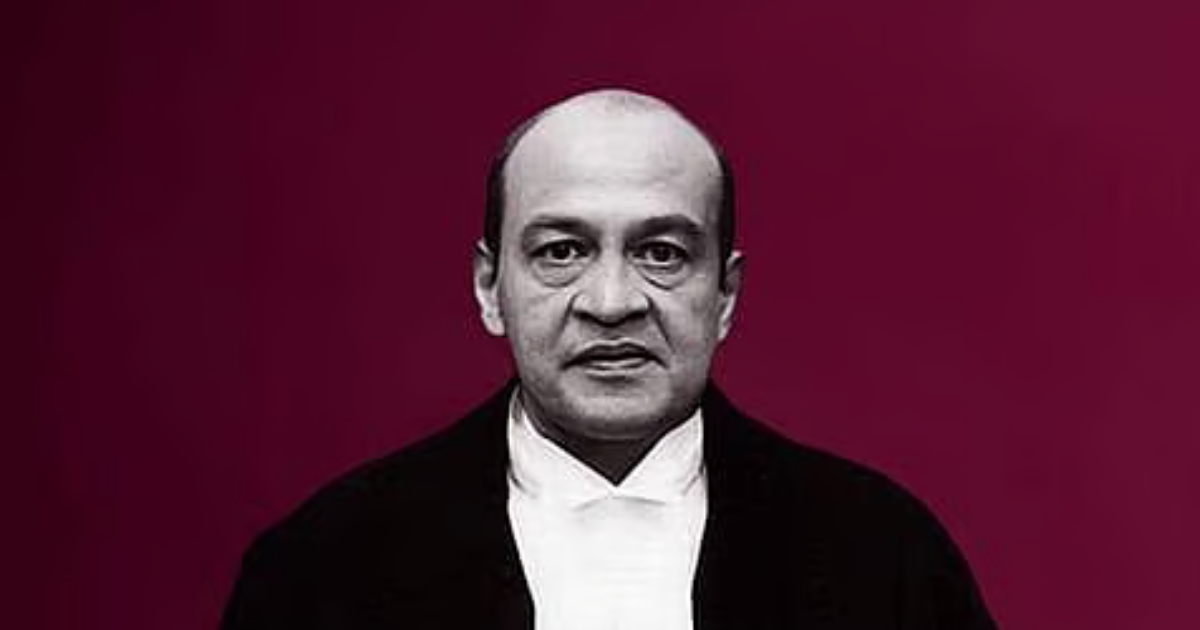
The Judges (Inquiry) Act, 1968 provides the legal framework for investigating allegations of misbehaviour or incapacity against judges of the: Supreme Court of India High Courts in India It was recently in news after the Judges Inquiry Committee submitted its report to Parliament regarding allegations against a former High Court judge.
Judges (Inquiry) Act, 1968
The recent submission of a report by a Judges Inquiry Committee to Parliament (in the case involving allegations against former High Court judge Justice Yashwant Varma) was conducted under the framework of the:
Judges (Inquiry) Act, 1968
Purpose of the Act
The Act provides a legal mechanism to investigate:
Misbehaviour of judges
Incapacity of judges
It applies to:
Supreme Court judges
High Court judges
Constitutional Context
Judicial removal is linked to:
Article 124 (Supreme Court judges)
Article 217 (High Court judges)
These provide that removal is only by:
“Order of the President after an address by Parliament supported by special majority.”
Removal Procedure (Step-by-Step)
1. Motion of Removal
A motion must be introduced:
Lok Sabha: 100 members
Rajya Sabha: 50 members
It is submitted to:
Speaker (Lok Sabha)
Chairman (Rajya Sabha)
2. Admission & Inquiry Committee
If admitted, the Presiding Officer forms a 3-member committee, usually consisting of:
A Supreme Court judge
A High Court Chief Justice
An eminent jurist
This committee investigates allegations.
3. Report Submission
The committee submits its findings to Parliament:
Whether charges are proven or not
4. Parliamentary Voting
If guilt is established:
Special majority required in both Houses:
Not less than 2/3rd of members present and voting
5. Final Removal
If passed:
Address is sent to the President
President issues order of removal
Significance of the Act
1. Judicial Accountability
Ensures judges are not above the law.
2. Independence of Judiciary
High threshold prevents political misuse.
3. Constitutional Balance
Maintains separation of powers between:
Legislature
Judiciary
Executive
Key Feature
“Removal of judges is a rare and strictly regulated constitutional process requiring both judicial inquiry and parliamentary approval.”
Conclusion
The Judges (Inquiry) Act, 1968 ensures a structured and fair process to investigate judicial misconduct while protecting judicial independence through a high constitutional threshold for removal.