
United States and China Agree to Build Constructive Relationship of Strategic Stability
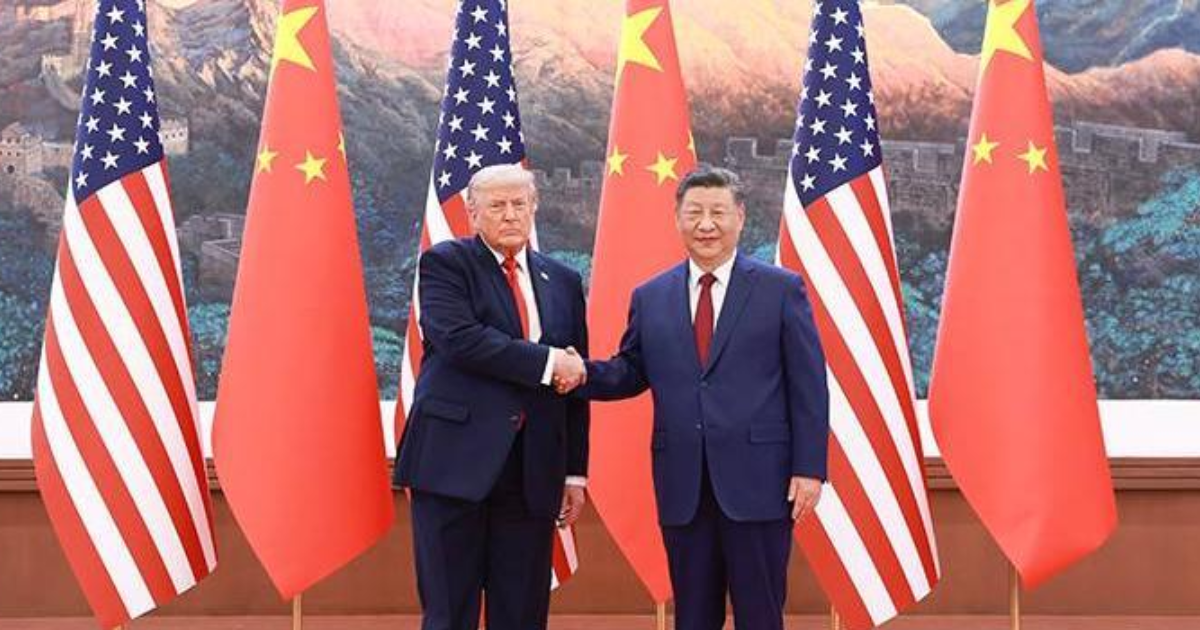
The recent Beijing Summit between the United States and China highlighted the evolving nature of strategic competition and cooperation between the world’s two largest powers. A key theme of the summit was the idea of “Strategic Stability.”
USA–China Strategic Stability and Beijing Summit
During the recent Beijing Summit between the United States and China, both countries discussed the idea of “Strategic Stability”, though each side interprets the concept differently.
Meaning of Strategic Stability
USA’s Perspective
For the USA, strategic stability is based on:
Fairness
Reciprocity
Balanced competition
Protection of economic and strategic interests
The U.S. approach focuses on:
Equal market access
Trade balance
Strategic deterrence
Preventing unilateral advantages
China’s Perspective
For China, strategic stability additionally means:
Keeping competition within manageable limits
Avoiding direct confrontation
Respecting China’s “core interests”
China’s core interests include:
Taiwan
Territorial integrity
Communist Party leadership
South China Sea claims
National sovereignty
Thus, China sees stability as:
Controlled coexistence rather than unrestricted rivalry
Key Highlights of the Beijing Summit
1. U.S.-China Boards of Trade and Investment
Both countries agreed to establish:
Bilateral trade and investment boards
Objective:
Manage economic disputes
Facilitate investment
Stabilize trade relations
This reflects efforts to reduce economic uncertainty between the world’s two largest economies.
2. Taiwan Issue
China’s Position
China described Taiwan as:
The most important issue in U.S.-China relations.
China follows the:
One China Policy
and considers Taiwan an inseparable part of China.
USA’s Position
The U.S. fact sheet reportedly:
Omitted explicit mention of Taiwan
This indicates:
Diplomatic caution
Avoidance of escalation during negotiations
3. Global Security Cooperation
Both countries agreed on:
Ensuring the unblocking and security of the:
Strait of Hormuz
Importance:
The Strait of Hormuz is one of the world’s most important:
Energy shipping routes
Oil transport corridors
Stability there is critical for:
Global trade
Energy security
Oil prices
4. Framework for Bargaining, Not Final Settlement
USA’s View
The USA highlighted:
Aircraft sales
Agricultural purchases
Market access restoration
as major achievements.
China’s View
China described many outcomes as:
Still under negotiation
Pending finalization
This reflects:
A transactional and cautious approach
Continuing strategic mistrust
Key Irritants in USA–China Relations
1. Zero-Sum Competition
Many in the USA believe:
China’s rise weakens American dominance.
This creates:
Strategic rivalry
Trade tensions
Technology competition
2. China’s Expanding Global Influence
Initiatives such as:
Belt and Road Initiative
Asian Infrastructure Investment Bank
are viewed by the USA as:
Challenges to American-led global order
3. Ideological Differences
USA:
Liberal democracy
Multi-party system
China:
One-party communist system
Authoritarian governance
These ideological differences deepen:
Mutual suspicion
Strategic containment policies
4. China–Russia Strategic Axis
China’s growing closeness with:
Russia
especially after the:
Russian invasion of Ukraine
has increased U.S. concerns.
Recent Development:
Following the summit:
China and Russia jointly criticized the proposed U.S.:
“Golden Dome” missile defence system
This indicates:
Emerging geopolitical alignment against U.S. strategic initiatives.
Implications for India
For India, stable U.S.-China relations may:
Reduce global economic uncertainty
Support trade and investment flows
Lower geopolitical tensions
However, the emerging pattern of:
Competition + cooperation
Transactional diplomacy
Strategic bargaining
requires India to adopt:
A balanced and calibrated foreign policy approach
India’s Likely Approach
India may continue:
Strategic autonomy
Multi-alignment diplomacy
Issue-based partnerships
India must carefully balance relations with:
USA
China
Russia
Indo-Pacific partners
while protecting:
National security
Economic interests
Regional influence
Conclusion
The Beijing Summit reflects a shift from direct confrontation toward:
Managed competition
Selective cooperation
Transactional coexistence
Although tensions remain over:
Taiwan
Technology
Trade
Security alliances
both powers recognize that complete confrontation would destabilize the global economy and international order.