How is adjournment sine die different from prorogation? Is an 88-day gap a problem?
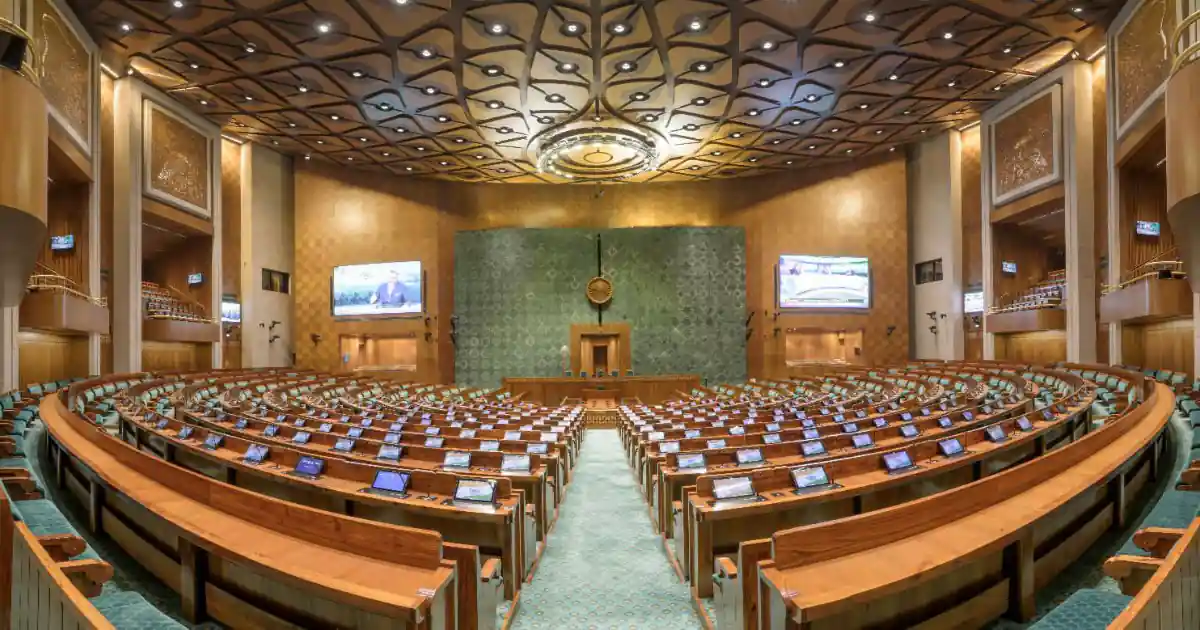
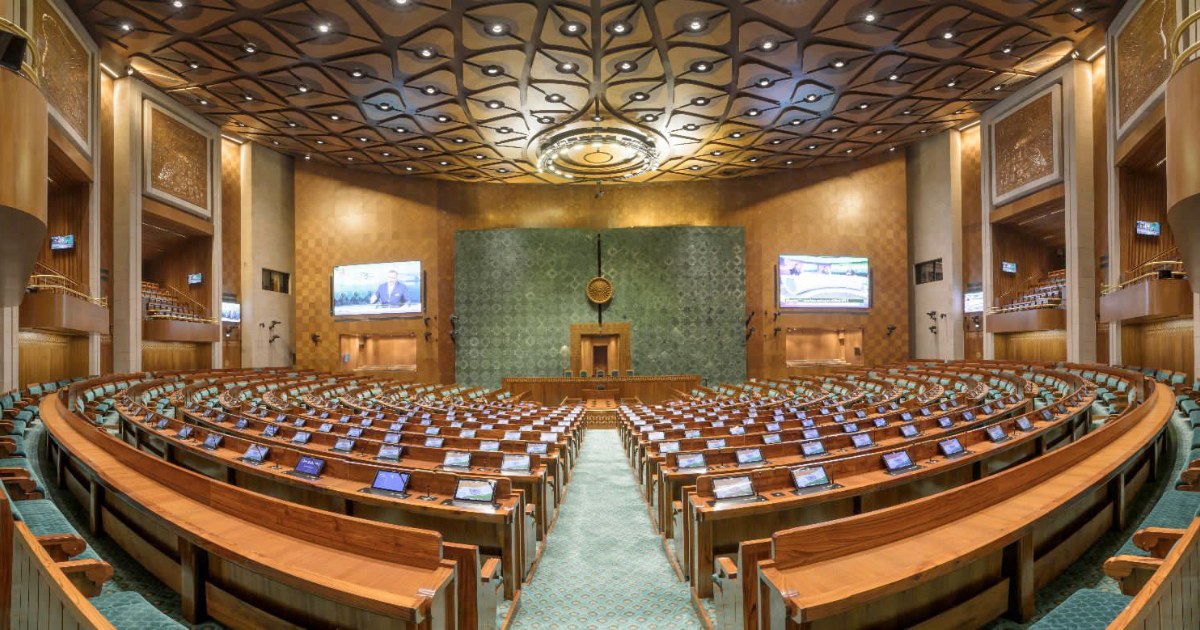
The Lok Sabha has gone 88 days since being adjourned sine die without being prorogued. Learn how the Speaker's adjournment differs from the President's prorogation under Article 85, why session status matters for ordinances, and what convention expects!
1. Why has the Lok Sabha gone 88 days without being prorogued?
The Lok Sabha was adjourned sine die at the end of its last sitting, and 88 days later the House has still not been prorogued. Its sittings have ended, while its session, formally, has not.
The gap drew attention because it is unusual. Practice and Procedure of Parliament by Kaul and Shakdher, the standard manual on parliamentary procedure, is cited as saying the interval between the two steps is generally two to four days.
2. How is adjournment sine die different from prorogation?
An ordinary adjournment pauses the business of the House, which meets again at a time already fixed. Adjournment sine die, Latin for "without a day", ends a sitting without fixing any date to meet again.
In the Lok Sabha, the Speaker decides when a sitting is adjourned sine die, as the Lok Sabha Secretariat's glossary of parliamentary terms states. It is a decision of the presiding officer, taken inside the House.
Prorogation is different in kind. It is an act of the President that formally ends the session itself. Until it happens, the House stands adjourned, but its session continues on paper.
So the usual sequence has three steps: the President summons the House, the Speaker adjourns it sine die when business is done, and the President then prorogues it a few days later.
3. What does Article 85 say about sessions?
Article 85 is the constitutional home of parliamentary sessions. Its two clauses do different jobs, and they are easy to merge in an exam. The points worth knowing are these:
Article 85(1): the President shall from time to time summon each House
Six-month limit, Article 85(1): six months shall not intervene between the last sitting in one session and the date appointed for the first sitting in the next
Article 85(2)(a): the President may prorogue the Houses or either House
Article 85(2)(b): the President may dissolve the House of the People
Adjournment sine die in the Lok Sabha: decided by the Speaker
Usual gap before prorogation: generally two to four days, per Kaul and Shakdher
Present gap: 88 days without prorogation
Article 123(1): ordinances only "except when both Houses of Parliament are in session"
Life of an ordinance, Article 123(2): six weeks from the reassembly of Parliament, or less if disapproved
Notice where the six-month clock starts. Article 85(1) counts from the last sitting, not from prorogation, so a delayed prorogation does not by itself stretch the outer limit between two sessions.
Dissolution under Article 85(2)(b) applies only to the Lok Sabha. The Rajya Sabha is a permanent House and is not dissolved, though it can be prorogued like the Lok Sabha.
4. Why does the formal end of a session matter?
Prorogation closes the session in law, while an adjournment only closes a sitting. The next meeting after prorogation is a new session, which the President must summon afresh under Article 85(1).
Session status matters elsewhere in the Constitution too. Article 123 lets the President promulgate an ordinance only when both Houses are not in session, so the line between a sitting and a session is more than ceremony.
An ordinance is also time-bound. Under Article 123(2) it ceases to operate six weeks after Parliament reassembles, or earlier if resolutions disapproving it are passed. The design keeps executive law-making tied to Parliament's calendar.
5. Is an 88-day gap a problem?
The case that it is within the rules
Article 85(2) says the President may prorogue "from time to time" and sets no deadline. The two-to-four-day practice comes from a procedure manual, not the Constitution, and the six-month limit is nowhere near breach at 88 days.
The President acts on the advice of the Council of Ministers, so the timing of prorogation is, in practice, the government's decision. Nothing in the text requires a session to be closed promptly once its sittings end.
The argument on the other side
Parliamentary government runs heavily on convention. A gap many times the usual interval keeps a session formally alive with no sittings, and that blurs a line the Constitution draws deliberately, including for the ordinance power.
A practice followed consistently creates an expectation. Departing from it without explanation invites questions about why a routine formal step is being delayed, even when no written rule is broken.
6. What does the episode leave unresolved?
The Constitution fixes the outer limit between two sessions but says nothing about how soon a session must end after its last sitting. That space is filled by convention, which binds only as long as governments choose to follow it.
Because Article 85 places both summoning and prorogation with the President, acting on ministerial advice, the calendar of Parliament remains largely an executive choice. Whether that choice needs a written time limit is a question the text leaves open.