What is Nasha Mukt Bharat Abhiyaan? Is a demand-reduction campaign enough?
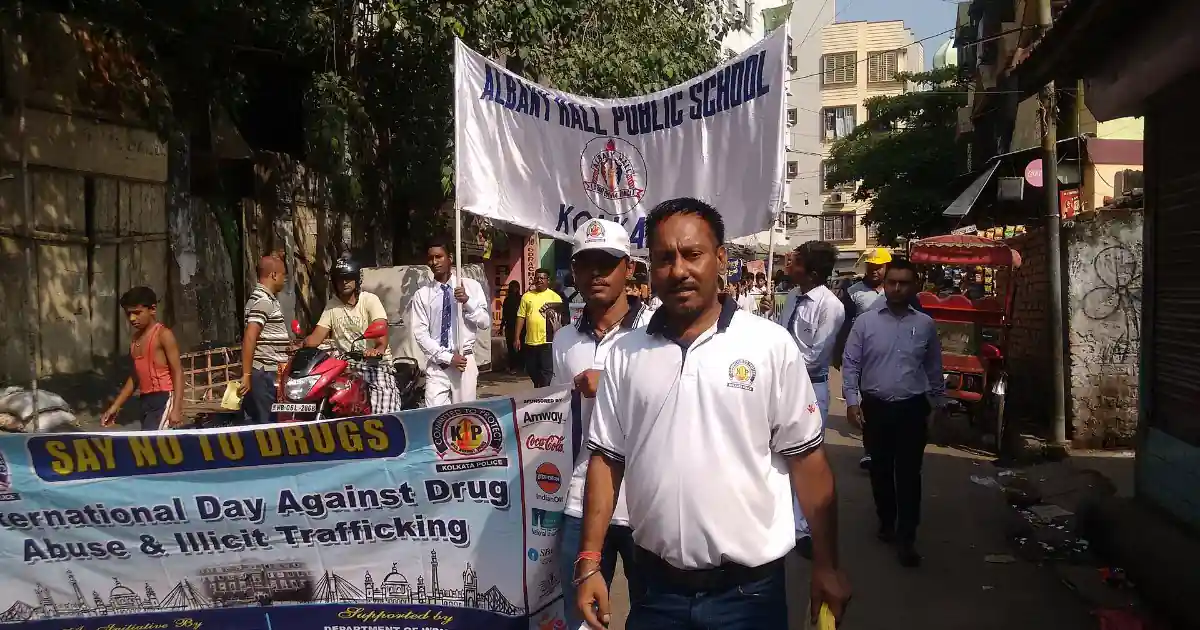
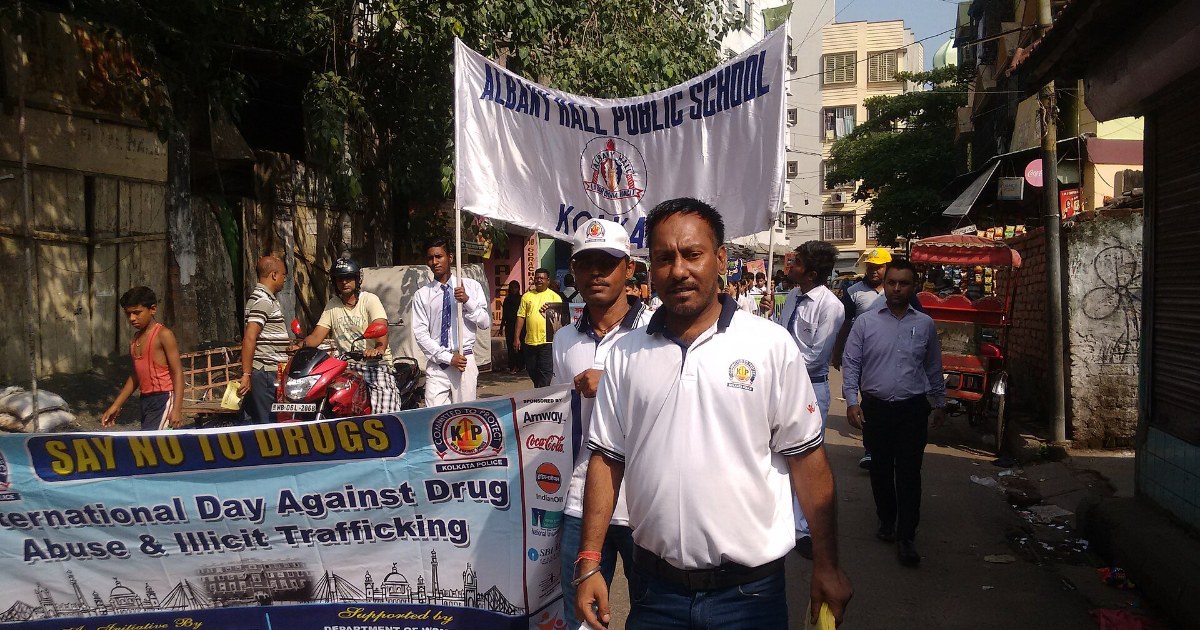
Nasha Mukt Bharat Abhiyaan has reached 35.84 crore people in six years. We explain the campaign, Article 47, the NAPDDR scheme and its three-tier committees, the key numbers and what the reach figures cannot show. Read the full explainer!
1. What does the six-year review of Nasha Mukt Bharat Abhiyaan show?
Nasha Mukt Bharat Abhiyaan (NMBA), India's drug-free India campaign, has completed six years. As of 10 November 2026, it had reached 35.84 crore people, including 14.33 crore youth and 11.32 crore women.
By the same date, 39.91 lakh persons had been treated and rehabilitated through the government's treatment network, and more than 2 lakh Nasha Mukti Mitr volunteers had registered.
The numbers matter because the campaign works mainly through outreach. Its success depends on how many people it reaches, how many it moves into treatment, and whether drug use actually falls in the districts it covers.
2. What is Nasha Mukt Bharat Abhiyaan?
NMBA is a campaign of the Ministry of Social Justice and Empowerment, launched on 15 August 2020. Its focus is demand reduction, meaning lowering the number of people who use drugs, rather than policing supply.
It began in 272 districts, expanded to 372 districts in August 2022, and covered all districts from 15 August 2023. An NMBA 2.0 app was launched on 24 April 2026 at a Chintan Shivir in Chandigarh.
3. What is the constitutional basis?
The campaign is anchored in Article 47 of the Constitution, a Directive Principle of State Policy. It directs the State to endeavour to bring about prohibition of the consumption, except for medicinal purposes, of intoxicating drinks and drugs injurious to health.
Directive Principles are not enforceable in court, but they guide policy. The Ministry has run a scheme for prevention of alcoholism and substance abuse since 1985-86, so NMBA builds on nearly four decades of programmes.
Note: Article 47 covers both intoxicating drinks and drugs, and carves out medicinal use. Questions sometimes test whether the article mentions alcohol; it does.
4. How is the campaign run on the ground?
NMBA is delivered through the National Action Plan for Drug Demand Reduction (NAPDDR). This is a Centrally Sponsored Scheme, with central sector components, that aims to reduce demand through prevention, awareness, identification, counselling, treatment and rehabilitation, and to reduce stigma.
Implementation runs through three tiers of committees. A State or UT Steering and Monitoring Committee, chaired by the Chief Secretary, meets quarterly. A District Drug Demand Reduction Committee, chaired by the District Collector or Deputy Commissioner, meets monthly and inspects quarterly.
At the bottom, a Block Drug Demand Reduction Committee, chaired by the Block Development Officer, meets monthly. Each district receives Rs 10 lakh a year as grant-in-aid for campaign activities, with later instalments tied to utilisation certificates and progress reports.
5. What are the key numbers to remember?
Launch: 15 August 2020, in 272 districts
Budget for NAPDDR: Rs 333 crore (2026-27); revised estimate Rs 420 crore (2025-26); spending Rs 268.32 crore (2024-25)
Treatment network: 344 IRCAs, 71 ODICs, 45 CPLIs, 198 DDACs and 155 ATFs
Helpline: 14446, toll-free since 1 March 2017 (originally 1800-11-0031)
Linked helplines: MANAS (NCB, 1933) and Tele-MANAS (launched 10 October 2022)
Faith-based partners: MoUs with 13 organisations, reaching 7.72 crore+ people
First national survey: NDDTC, AIIMS New Delhi, 2018, released February 2019
Survey estimates: about 16 crore alcohol users, 3.1 crore cannabis users, 2.26 crore opioid users
Second national survey: expected in 2027, with first district-level estimates
6. Is a demand-reduction campaign enough?
The case for the campaign
Drug use is a health and social problem as much as a crime. A district-level structure, chaired by the Collector and backed by treatment centres, volunteers and helplines, reaches people that enforcement alone cannot, and it works against stigma.
The argument for caution
Reach figures count people contacted, not people who stopped using drugs. The main national data on use is from 2018, so the campaign's effect on actual consumption cannot yet be measured.
The 2026-27 allocation of Rs 333 crore is also below the 2025-26 revised estimate of Rs 420 crore.
Where demand meets supply
Demand reduction sits alongside enforcement. In September 2026, at the third National Conference of Anti-Narcotics Task Force heads, the Union Home Minister set a target of uprooting the drug trade by 31 December 2029.
7. What will show whether it is working?
The second national survey, expected in 2027, will be the first real test. Its district-level estimates should show where use is concentrated and whether the districts covered since 2020 look different from the rest.
NMBA can spread awareness and widen access to treatment, but outreach numbers cannot show changed behaviour. Until fresh survey data arrives, the campaign's six-year record measures effort rather than outcome.