How does a land resurvey produce a new Record of Rights? What has Telangana covered so far?
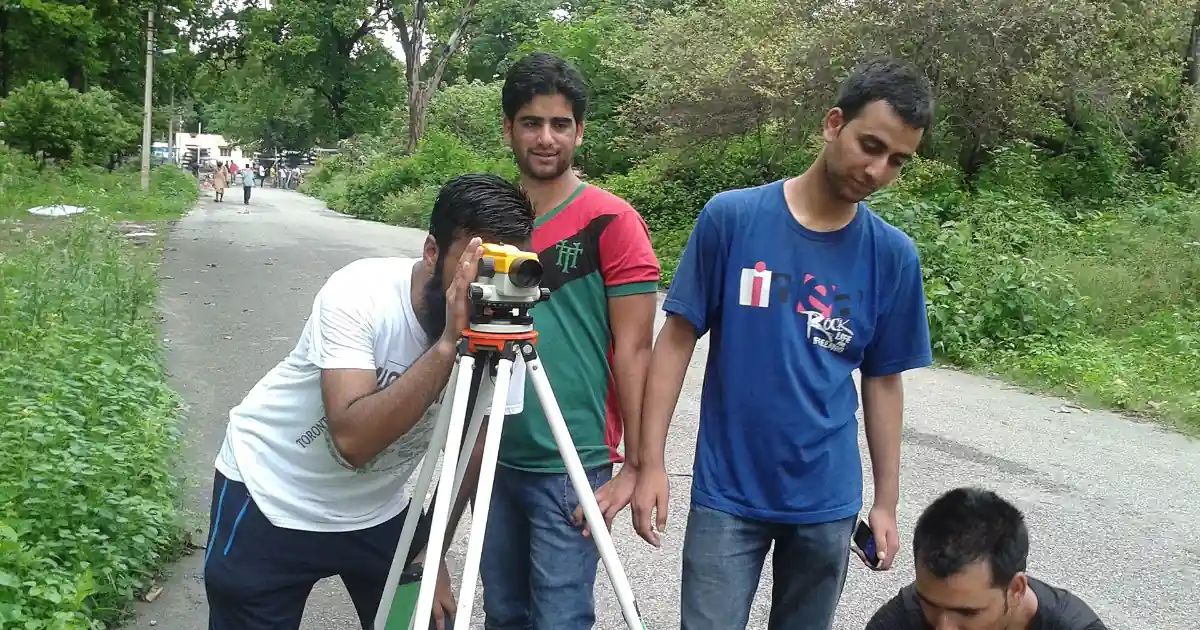
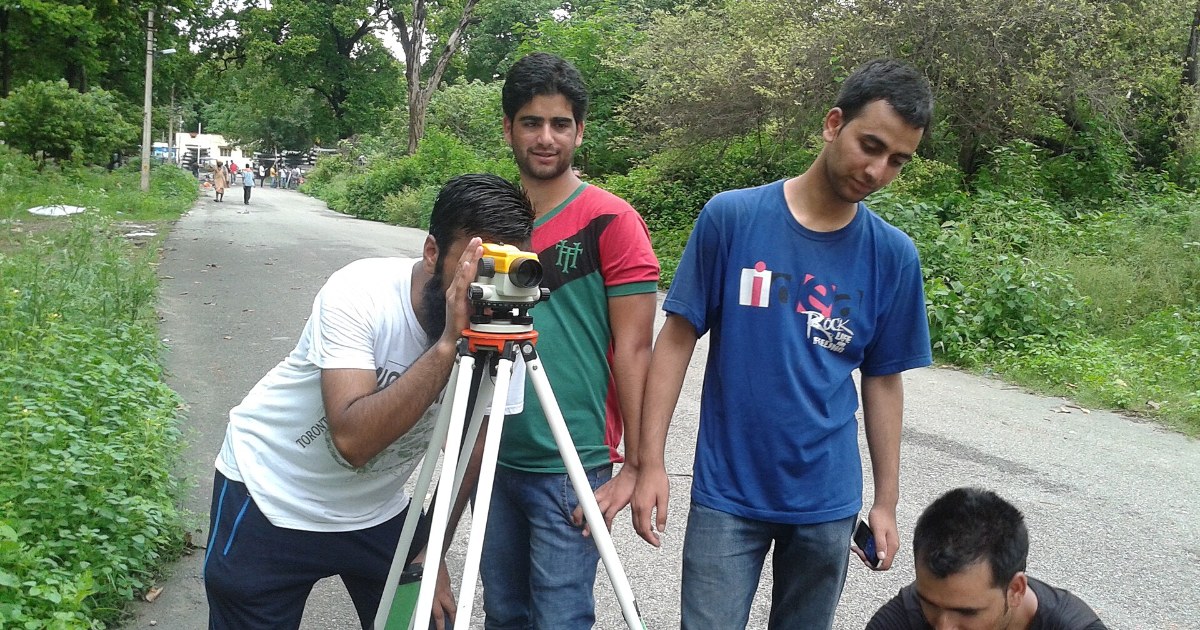
Telangana's comprehensive land survey has crossed 1,000 villages. We explain the Bhu Bharati Act, how a resurvey leads to a new Record of Rights, the temporary and permanent Bhudhaar number and the 60-day appeal. Read the full explainer!
1. What milestone has Telangana's comprehensive land survey crossed?
Telangana's comprehensive land survey has crossed 1,000 villages, Revenue Minister Ponguleti Srinivasa Reddy said. The first phase covers 2,720 villages across 32 districts, excluding Hyderabad, including villages that were never covered in any past survey.
The exercise has been completed in 1,000 villages and is nearly complete in another 416. The State has 10,954 villages in all, so the first phase is roughly a quarter of the State.
2. Why is Telangana resurveying its land now?
The survey has been taken up after a gap of more than 125 years. Over that period, land has been divided, sold and inherited many times, while the underlying maps stayed old. Gaps between records and the ground are a common source of disputes.
The government's stated aim is to leave no scope for disputes. Officials have been told to ensure accuracy and not to harm landowners' interests. The resurvey will be followed by a unique number for every land parcel, on the lines of Aadhaar.
3. What is the Bhu Bharati Act?
The legal framework is the Telangana Bhu Bharati (Record of Rights in Land) Act, 2025, Act 1 of 2025, dated 4 January 2025. A Record of Rights (RoR) is the official register showing who holds a piece of land and on what terms.
The Act links three things: the survey, the record, and an identity number for each parcel. The survey fixes boundaries on the ground; the RoR records the rights; the number ties the two together so that a parcel can be traced across records.
The Act also gives the landholder something to carry: a Bhudhaar Card. One card can cover all the parcels held by a single pattadar, the registered landholder.
4. How does a resurvey produce a new Record of Rights?
Section 4(1) allows the government to have an RoR prepared for all lands in every village. Its proviso adds the key link: where a survey or re-survey is carried out, a new RoR for that village is prepared from the survey records.
This is why the village count matters. Each village that completes the resurvey becomes eligible for a fresh RoR based on measured boundaries, instead of carrying forward entries that may no longer match the land.
5. What is a Bhudhaar number?
Bhudhaar is the land parcel unique identification number defined in Section 2(2) of the Act. Section 9 provides for its automatic assignment to each parcel. The key provisions:
Act: Telangana Bhu Bharati (Record of Rights in Land) Act, 2025 (Act 1 of 2025)
Section 2(2): defines Bhudhaar, the land parcel unique identification number
Temporary Bhudhaar: assigned until geo-referencing is complete
Permanent Bhudhaar: assigned after geo-referencing, based on location and corner-point coordinates
Section 4(1): RoR for every village; new RoR after a survey or re-survey
Section 9: automatic Bhudhaar; one Bhudhaar Card can cover all parcels of a pattadar
Section 15(3): appeal against a Bhudhaar Card decision to the Revenue Divisional Officer within 60 days
Note: Bhudhaar comes in two stages. A temporary number is given first; the permanent number follows only after geo-referencing, the process of fixing a parcel's exact position with coordinates.
6. What are the two sides of the resurvey?
The case for the resurvey
Measured boundaries, a fresh RoR and a coordinate-based number can make land records far more reliable. A pattadar can hold one card for all parcels, and banks, buyers and courts get a single reference point.
The concerns
Any resurvey after 125 years will find mismatches between the old record and the ground. Where the new measurement shrinks or shifts a holding, the landowner bears the burden of challenging it, which is why the instruction not to harm landowners' interests matters.
The safeguard the Act provides
Section 15(3) gives a 60-day appeal to the Revenue Divisional Officer against a Bhudhaar Card decision. A fixed window protects finality, but a landowner who misses it may struggle to correct an error later.
7. What remains to be done?
The first phase covers 2,720 of 10,954 villages, and Hyderabad is excluded. Most of the State still awaits survey, a fresh RoR and permanent Bhudhaar numbers.
The Act can create a cleaner record, but a record is only as good as the measurement behind it and the appeal that corrects it.
The resurvey's success will be judged by whether disputes actually fall in surveyed villages, not by how many villages are counted.