What is the Krishna River Management Board? What has it asked Telangana and AP for?
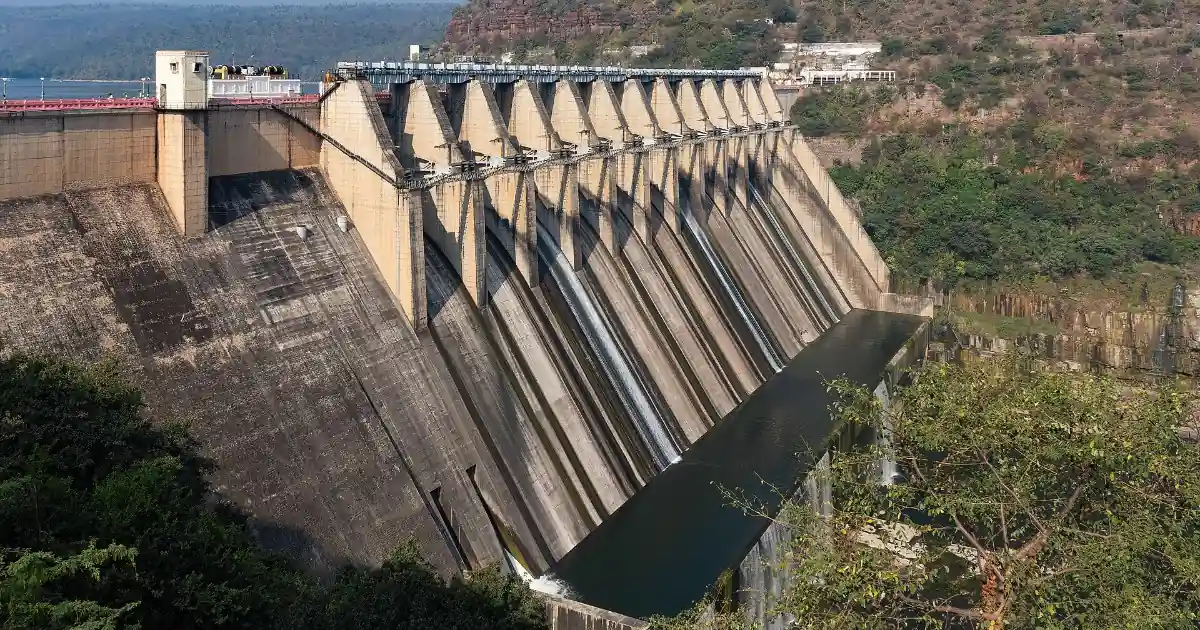
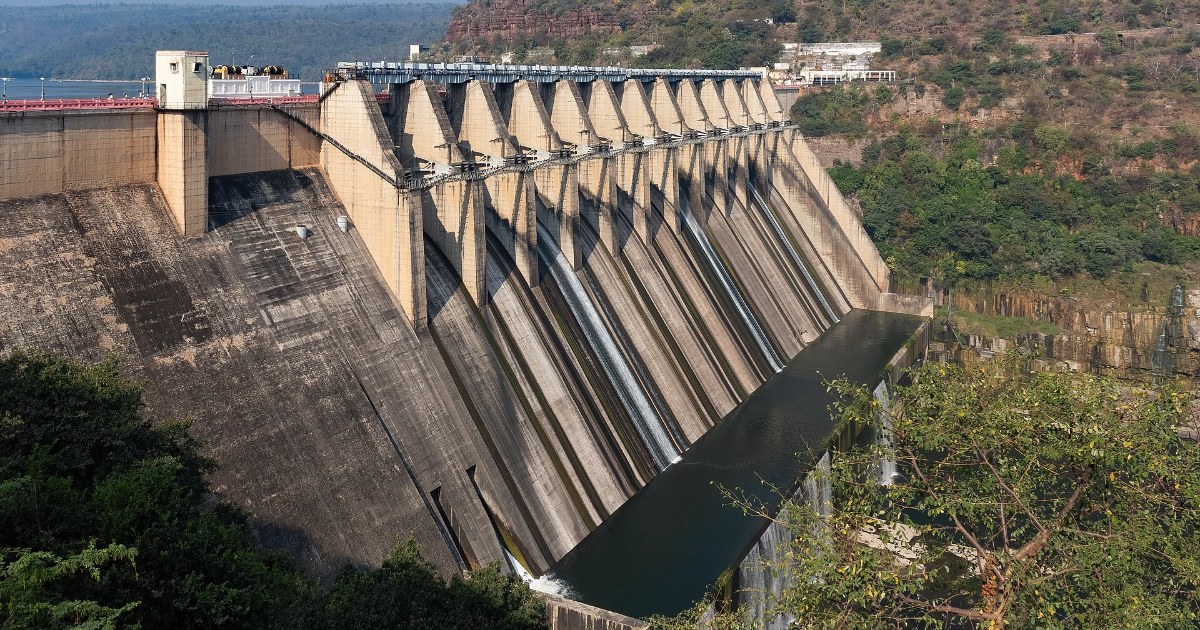
The Krishna River Management Board has asked Telangana and Andhra Pradesh for the original approvals of Srisailam and Nagarjunasagar. We explain the Board, Sections 84, 85 and 87, the 2021 notification and what it cannot settle. Read on!
1. What has the Krishna River Management Board asked Telangana and Andhra Pradesh for?
The Krishna River Management Board (KRMB) has asked Telangana and Andhra Pradesh to submit full details of the actual original approvals of the Srisailam and Nagarjunasagar projects, along with the changes made to them afterwards.
The Board has named two reference points for this exercise: the award of the Krishna Water Disputes Tribunal-1, and the schedule to the Centre's notification of 15 July 2021.
The yardstick matters. A project component is judged against what was originally approved and what the Tribunal award allows. Without that baseline, the Board has no way to tell an authorised extension from an addition that was never cleared.
2. What is the Krishna River Management Board?
The KRMB is a statutory board set up under the Andhra Pradesh Reorganisation Act, 2014, the law that divided the State in 2014. Section 85(1) required the Centre to constitute two boards, one for the Godavari and one for the Krishna.
The two Boards are twins. The Godavari River Management Board (GRMB) handles the Godavari basin on the same legal footing, and both answer to the same Apex Council created by the same Act.
Under Section 85(8)(d), the Boards appraise proposals for new projects on the two rivers. They give technical clearance only if the project does not harm the water available under existing Tribunal awards.
3. What decides which projects the Board controls?
The Board does not automatically run every project on the river. Under Section 87, it ordinarily exercises jurisdiction over projects the Centre notifies, including headworks, canal networks and transmission lines.
This design keeps the Board's role tied to a defined list. A project outside the notified schedule is not ordinarily under the Board; a project inside it comes under the Board's jurisdiction once handed over.
The Centre issued those notifications in 2021. The key facts:
Act: Andhra Pradesh Reorganisation Act, 2014 (Act 6 of 2014)
Section 84: Apex Council to supervise both Boards
Section 85: constitution of the Godavari and Krishna River Management Boards
Section 85(8)(d): technical clearance for new projects
Section 87: jurisdiction over notified projects
KRMB notification: S.O. 2842(E), dated 15 July 2021
GRMB notification: S.O. 2843(E), dated 15 July 2021
Handover of listed projects: with effect from 14 October 2021
Issuing ministry: Ministry of Jal Shakti
Note: The Boards were created by Section 85, but their jurisdiction comes from the notifications under Section 87. A question that asks which section gives the Boards jurisdiction over projects is asking about Section 87.
4. Where does the Apex Council fit in?
Above the Boards sits the Apex Council under Section 84. It is chaired by the Union Water Resources Minister, with the Chief Ministers of both States as members.
The Council supervises the two Boards, approves new projects after they are appraised by the Boards and the Central Water Commission, and tries to resolve disputes between the States through negotiation.
If the Boards' jurisdiction itself is disputed, Section 87 sends the question to the Central Government.
5. What are the two sides of the Board's request?
The case for the request
A board cannot regulate projects whose approved scope it does not know. Asking both States for the original approvals and every later change gives it a baseline against the Tribunal award and the 2021 schedule, so that any unapproved addition can be identified.
The States' position
Both projects predate the 2014 bifurcation. A State may regard changes made over the years as settled practice, and a demand for the full approval record can expose components it would rather defend than justify afresh before a central board.
What the paperwork cannot resolve
Documents can show what was approved and what was changed. They cannot by themselves decide who must bear the cost of correcting an unapproved component, or how shared water is divided when both States claim need.
6. What can the Board not settle by itself?
The KRMB's role is technical and regulatory. Approval of new projects rests with the Apex Council, and disputes about the Board's own jurisdiction go to the Centre.
The request is a step towards a common factual record for two major projects on the Krishna.
But a record is not a settlement: the Board can clarify what exists, while the hard choices on water sharing still need political agreement between the two States, brokered by the Centre.