What is lithium-ion battery black mass? Why has India suddenly barred its export?
The Directorate General of Foreign Trade has barred exports of lithium-ion battery black mass with immediate effect. What black mass contains, why the Centre wants it recycled at home and the legal power behind an export bar. Let us find out!
1. What has the Directorate General of Foreign Trade barred?
The Directorate General of Foreign Trade (DGFT), the arm of the Union Commerce Ministry that administers export and import policy, has barred the export of lithium-ion battery black mass with immediate effect.
The bar covers waste and scrap of primary cells, primary batteries and electric accumulators, which are rechargeable batteries, where that scrap contains black mass. The change in export policy is dated 10 November 2026.
2. What is black mass?
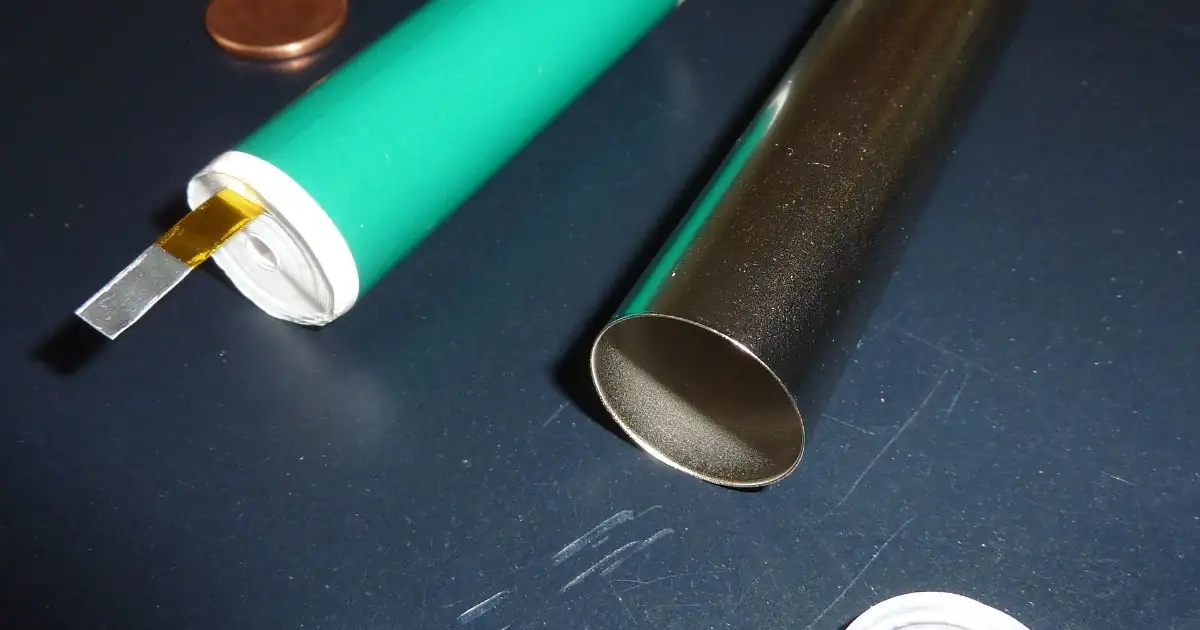
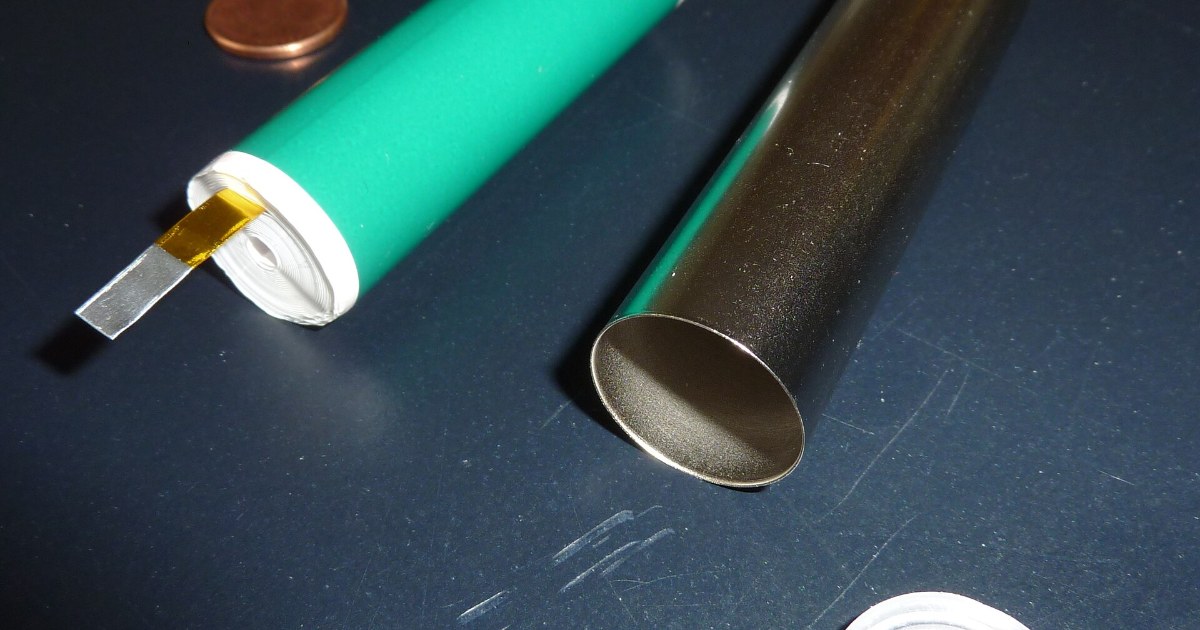
When a used lithium-ion battery is recycled, it is discharged, broken open and shredded. What remains after the casing and other parts are separated is a fine, dark powder known as black mass.
Black mass is a particulate mixture containing lithium, nickel, manganese, cobalt and graphite. These are the valuable parts of the battery, and refiners extract them from the powder for reuse.
The same minerals go into electronics, electric vehicles and the storage systems that let solar and wind power be used after dark. Many of them are classed as critical minerals because supply is concentrated in a few countries.
3. Why does the Centre want black mass kept in India?
The Commerce and Industry Ministry says the aim is to make sure the black mass generated in India is recycled and refined within the country instead of being shipped abroad for processing.
That gives domestic recycling and refining units an assured supply of feedstock, the raw material a plant processes. Steady feedstock improves capacity utilisation, meaning how much of a plant's installed capacity is actually used.
The Ministry expects this to encourage investment and employment in recycling. In effect, India is choosing to treat battery waste as a domestic mineral resource rather than a scrap export.
4. What legal power lets the Centre bar an export?
Changes of this kind rest on the Foreign Trade (Development and Regulation) Act, 1992. Its Section 3(2) lets the Central Government, by Order in the Official Gazette, prohibit, restrict or otherwise regulate the import or export of goods.
The Act also provides, in Section 3(3), that goods covered by such an Order are treated as prohibited goods under Section 11 of the Customs Act, so customs officers can stop them at the port.
Each traded product is identified by an ITC (HS) code, India's version of the international Harmonised System of product classification. The export policy for the code covering this scrap has been amended.
Action: export of lithium-ion battery black mass barred, with immediate effect
Date of the policy change: 10 November 2026
Issued by: Directorate General of Foreign Trade, Union Commerce Ministry
Product code: ITC (HS) 85491400
Minerals in black mass: lithium, nickel, manganese, cobalt, graphite
Parent law: Foreign Trade (Development and Regulation) Act, 1992
Note: The policy change is described as a bar on export. Whether a question frames it as "prohibited" or "restricted" matters in trade law, so stick to the word "barred" unless the exact category is given.
5. Will the export bar help or hurt?
The case for keeping black mass at home
Supporters say India cannot build a battery supply chain while exporting the most valuable part of its battery waste. Keeping black mass at home gives refiners the volume they need to justify investment.
It also reduces dependence on imported minerals. Every tonne of lithium, cobalt or nickel recovered locally is a tonne India does not have to buy from a concentrated global market.
The worries of collectors and recyclers
The risk is timing. If domestic refining capacity is not yet large enough, an overnight bar can leave collectors holding stock they cannot sell, pushing down prices for black mass.
Lower prices could in turn weaken the incentive to collect used batteries properly, and some waste may drift to informal recyclers who handle toxic material without safeguards.
6. What has to follow the bar for it to work?
An export bar secures the raw material; it does not build the refineries. The policy will succeed only if domestic plants can extract lithium, nickel and cobalt at scale and at a competitive cost.
The harder work lies in collection and processing: getting used batteries out of drawers and scrapyards and into licensed recyclers. Without that, keeping black mass in the country only changes where it sits, not what it becomes.