What is the Cauvery Water Management Authority? Why does Tamil Nadu want it to have teeth?
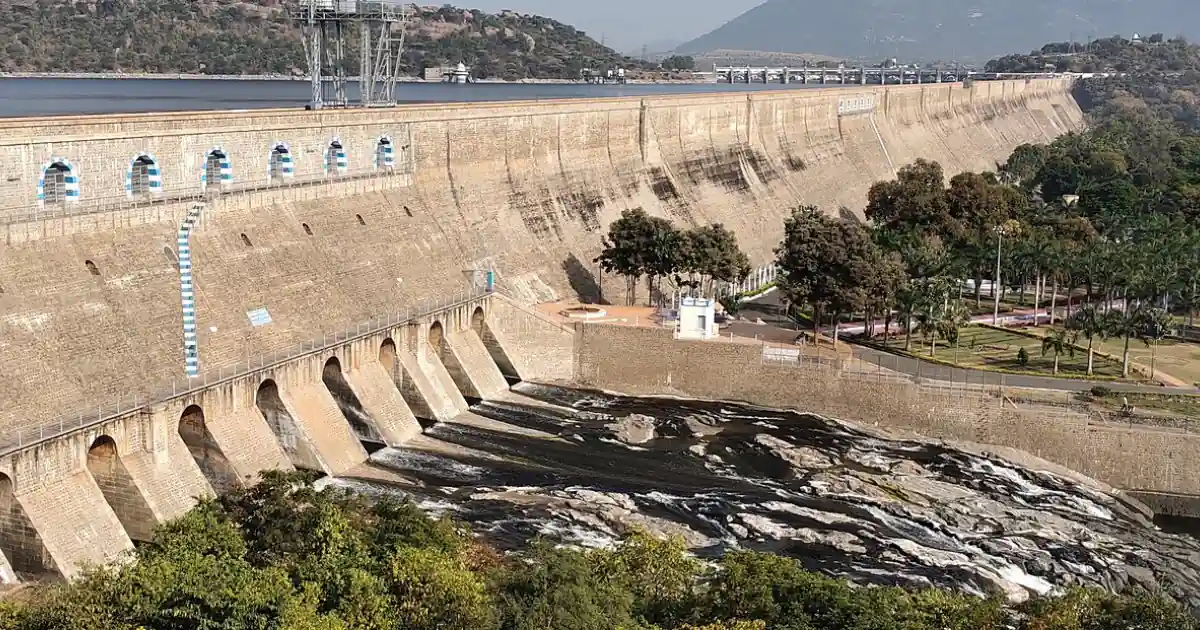
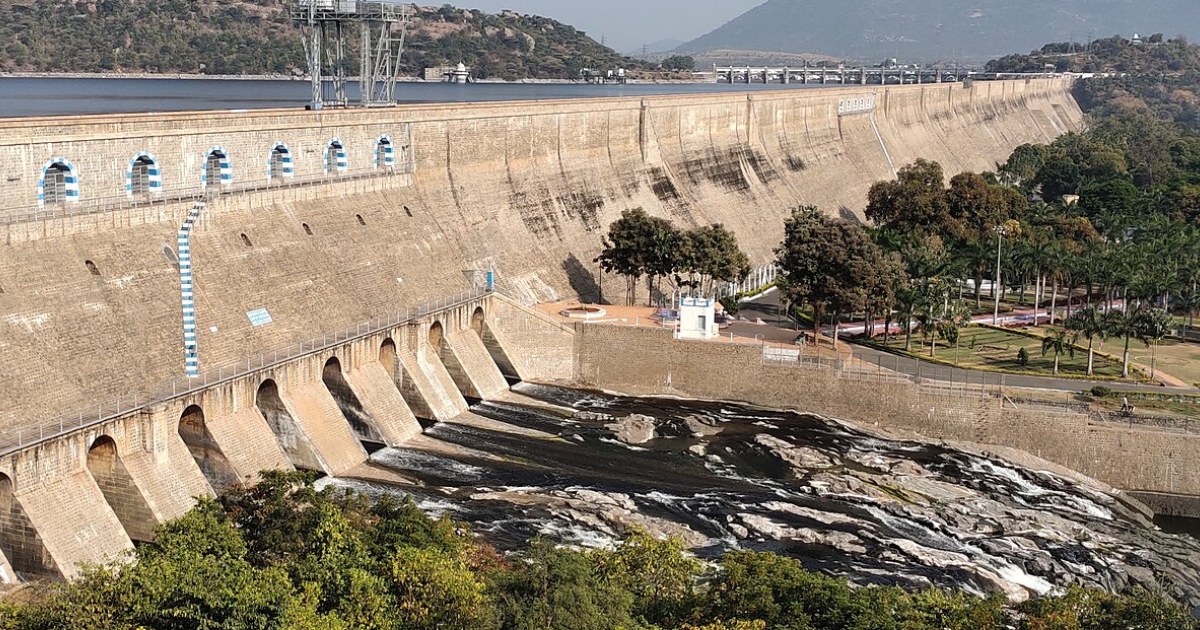
Tamil Nadu is weighing a plea in the Supreme Court to give the Cauvery Water Management Authority real enforcement powers, on the model of the Bhakra Beas Management Board. How the authority was created, its record this year and the debate. Read on!
1. Why is Tamil Nadu thinking of approaching the Supreme Court over the Cauvery authority?
Tamil Nadu is frustrated that the Cauvery Water Management Authority (CWMA) cannot enforce its own orders. The State is contemplating a plea in the Supreme Court asking that the authority be given teeth.
It wants the CWMA modelled on the Bhakra Beas Management Board (BBMB), which runs shared river projects in north India. No petition has been filed yet; the State is still weighing the move.
2. How was the Cauvery Water Management Authority created?
The Cauvery dispute among Karnataka, Tamil Nadu, Kerala and Puducherry went to a tribunal, whose award the Supreme Court modified in its verdict of 16 February 2018. The Court then asked for a scheme to implement it.
The Centre framed the Cauvery Water Management Scheme, 2018 under Section 6A of the Inter-State River Water Disputes Act, 1956, the provision that lets it frame a scheme to give effect to a tribunal's decision.
The Supreme Court approved the scheme on 18 May 2018. It created two bodies: the Cauvery Water Management Authority, which oversees sharing, and the Cauvery Water Regulation Committee, which monitors flows on the ground.
3. How have water releases fared this year?
The authority orders releases in 15-day spells, telling Karnataka how much water to let down to Tamil Nadu. Compliance is measured at Biligundlu, the gauging point on the inter-State border.
This has been a lean year for the basin. The four main Karnataka reservoirs on the basin received far less inflow than usual, while Tamil Nadu says the authority has let a backlog build up.
Releases ordered since July 29: seven spells of 15 days each
Spells in which Karnataka did not comply: five
Karnataka reservoirs counted: Krishnaraja Sagar, Kabini, Hemavathi, Harangi
Net inflow, June 1 to November 4: about 132 tmc ft, against a 30-year average of about 288 tmc ft
Shortfall: about 54%
Water received at Biligundlu: 53.43 tmc ft
Backlog as calculated by Tamil Nadu: nearly 17 tmc ft
Tmc ft means thousand million cubic feet, the unit used for reservoir storage and river flows in south India. Tamil Nadu's complaint is that the authority has not asked Karnataka to clear the backlog at all.
4. What is the Bhakra Beas Management Board model?
The BBMB, set up under the Punjab Reorganisation Act, 1966, regulates the supply of water and electricity from the Bhakra-Nangal and Beas projects to Punjab, Haryana, Rajasthan, Himachal Pradesh, Delhi and Chandigarh.
The crucial difference is control. The BBMB's chief is appointed by the Union government, and the board owns, operates, manages and regulates the projects, taking joint decisions on water and scheduling.
The CWMA has no such role. The dams that decide how much water reaches Tamil Nadu are run by Karnataka, so the authority can order a release but cannot open a gate. The Cauvery tribunal's own report had mentioned the BBMB.
5. Should the authority be given enforcement powers?
Tamil Nadu's argument
An authority whose orders are ignored in five of seven spells is a monitor, not a manager. Tamil Nadu argues that without control over releases, the 2018 settlement depends on the goodwill of the upstream State.
A BBMB-style body would take the decision away from day-to-day politics in either State and give the downstream farmer a predictable share, which is what the tribunal award was meant to secure.
The upstream view
An upstream State in a deficit year can argue that its own drinking water and farm needs must come first. With inflows about 54% below average, the water ordered may simply not have been there to release.
Handing its reservoirs to a central board also touches State control over its own water infrastructure, a sensitive question for any upstream State in a river dispute.
6. What cannot be solved by giving the authority teeth?
Enforcement powers would answer who decides, but not how a shortage is shared. The conflict is sharpest in years like this one, when there is too little water for every claim.
Until the parties agree on a clear formula for distress years, even a stronger authority will face the same choice between upstream needs and downstream rights. Tamil Nadu's plea, if it is filed, puts that unresolved question back before the Supreme Court.