Why has Ladakh barred protests in Leh and Kargil? What are its hill development councils?
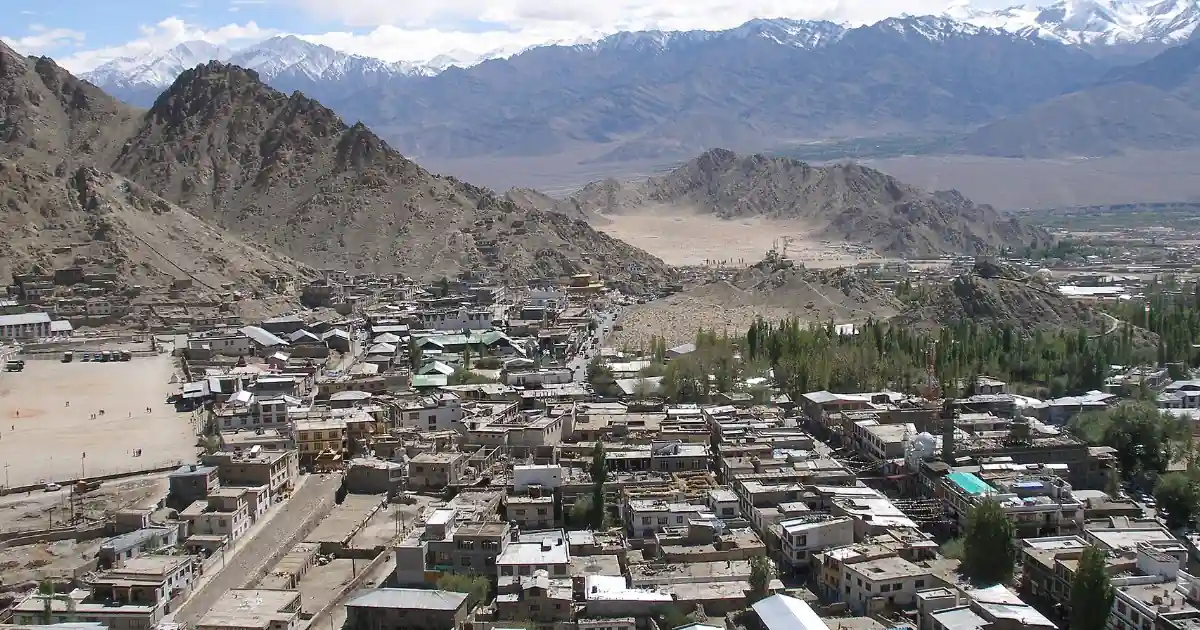
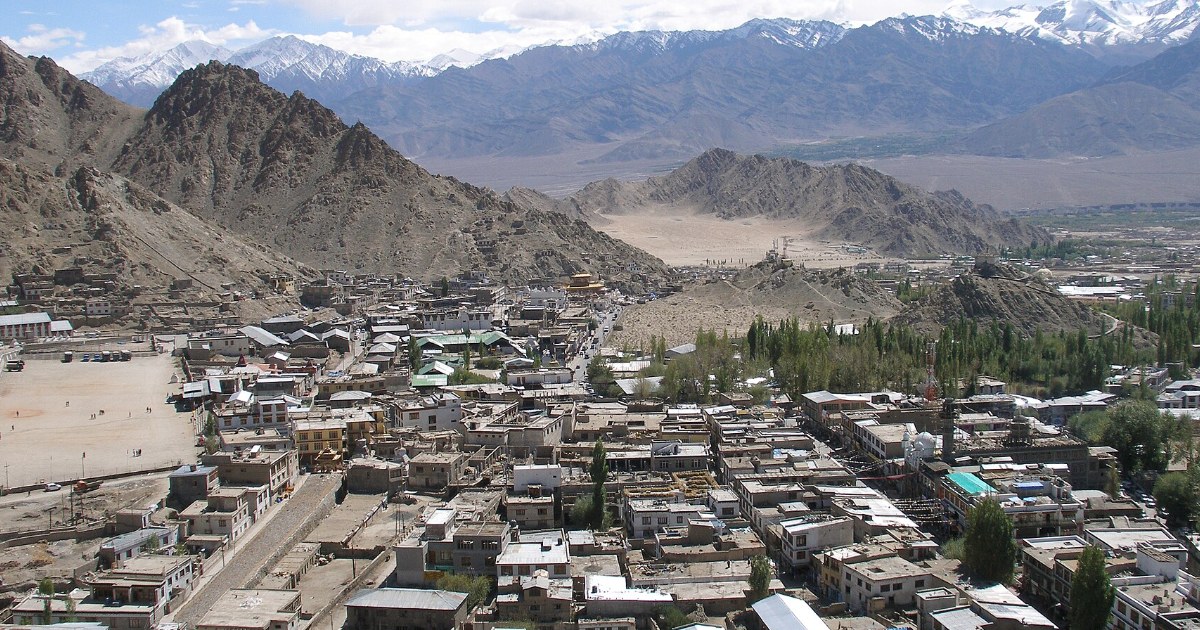
Ladakh's Chief Electoral Officer has barred protests in Leh and Kargil until local body elections are over, a day after the Leh Apex Body called a sit-in. The Model Code of Conduct, the hill councils and the free speech question, explained. Let us dig in!
1. What has Ladakh's Chief Electoral Officer ordered in Leh and Kargil?
The Chief Electoral Officer (CEO) of Ladakh has prohibited protests within the municipal limits of Leh and Kargil ahead of local body elections due between November 21 and December 4.
The ban covers political dharnas, protests, demonstrations, sit-ins and rallies. The order says such gatherings could intimidate voters and vitiate the atmosphere, and it stays in force until the election process for the municipal committees of Leh and Kargil is complete.
District Election Officers, who are the Deputy Commissioners, and Superintendents of Police have been told to ensure strict compliance. Violations will be dealt with under the relevant legal provisions and the Model Code.
2. Why does the order rely on the Model Code of Conduct?
The Model Code of Conduct (MCC) is a set of norms for political parties, candidates and governments during an election. It applies from the announcement of polls until the process ends.
Its purpose is a level playing field: no misuse of official machinery, no inducements, and no conduct that frightens voters. The CEO's order uses that last idea to justify a blanket bar on protest gatherings.
The MCC is unusual because it is not itself a law passed by a legislature. Its force comes from the authority of election officials during the poll period, backed by penal and election laws for actual offences.
3. What is the Leh Apex Body demanding?
The order came a day after the Leh Apex Body (LAB), a coalition of civil society and religious groups in Leh, called for an agitation with a sit-in from November 12.
LAB has three demands: resumption of talks between the Centre and Ladakh's representative bodies, publication of the judicial inquiry report into the violence of September 24, 2025 in which four people died, and postponement of the hill council elections to next year.
4. What are the Ladakh Autonomous Hill Development Councils?
The Ladakh Autonomous Hill Development Councils (LAHDCs) are elected district-level bodies created under the Ladakh Autonomous Hill Development Councils Act, 1995, originally a Jammu and Kashmir law (J&K Act 1 of 1995).
They give Ladakh's districts an elected local voice in planning and development. Since Ladakh became a Union Territory without a legislature in 2019, these councils have been the main elected bodies in the region.
Parent law: Ladakh Autonomous Hill Development Councils Act, 1995
Section 3: a Council for each district
Section 4(1): 26 directly elected members from territorial constituencies
Section 14: five-year term
Municipal committee polls, Leh and Kargil: November 21 to December 4
Hill council elections: December 4
LAB sit-in called from: November 12
Violence under judicial inquiry: September 24, 2025; four dead
Note: Two different elections are in play. The municipal committees of Leh and Kargil, which the protest ban is tied to, vote between November 21 and December 4. The hill council elections are on December 4. Do not merge them into one poll.
5. Does the protest ban sit well with the right to assemble?
Article 19(1)(b) of the Constitution guarantees the right to assemble peaceably and without arms. Article 19(3) allows reasonable restrictions on that right in the interests of public order and the sovereignty and integrity of India.
The order therefore has to be judged by whether a blanket ban across two towns is a reasonable restriction, or whether narrower conditions on time, place and size would have met the same goal.
6. Is the ban a fair safeguard or an overreach?
The administration's case
The administration says elections need calm. With a sit-in announced in the middle of polling, it fears gatherings could pressure voters or turn violent, and the memory of September 2025 makes that risk feel real.
On this view, a temporary ban limited to municipal areas and the poll period is a proportionate step that protects the vote itself.
The protesters' case
LAB and its supporters see the order as silencing a political demand at the very moment it is most relevant. One of their demands is about the elections themselves, so banning protest during the polls removes their chance to make it.
They also argue that peaceful sit-ins are protected expression, and that the Model Code was designed to restrain parties and governments, not to shut down citizens' protest.
7. What will the ban leave unanswered?
The order can keep streets quiet until the votes are counted. It cannot address why the protests were called: the stalled talks, the unpublished inquiry report and the question of when Ladakh's councils should vote.
Elections held under a protest ban may produce councils, but not necessarily trust. The larger test for the administration is whether it reopens dialogue once the poll period ends, because the grievances behind the sit-in will outlast the Model Code.