What is One Nation One Ration Card? How does ration portability work for migrant families?
One Nation One Ration Card now runs in all 36 States and Union Territories, handling crores of portability transactions every month. What it is, what the National Food Security Act guarantees, the technology behind it and its limits. Let us understand it!
1. How far has One Nation One Ration Card reached across India?
One Nation One Ration Card (ONORC) is now implemented in all 36 States and Union Territories. It covers every beneficiary of the Pradhan Mantri Garib Kalyan Anna Yojana (PMGKAY), the Centre's free foodgrain scheme for National Food Security Act beneficiaries.
The scheme handles about 3.27 crore portability transactions a month. Since it began, it has recorded over 233 crore inter-State and intra-State transactions, distributing more than 614 lakh metric tonnes (LMT) of foodgrains.
2. What is ONORC, and who gains from it?
ONORC was launched in 2019 by the Department of Food and Public Distribution as a reform of the Public Distribution System (PDS), the network through which subsidised grain reaches households.
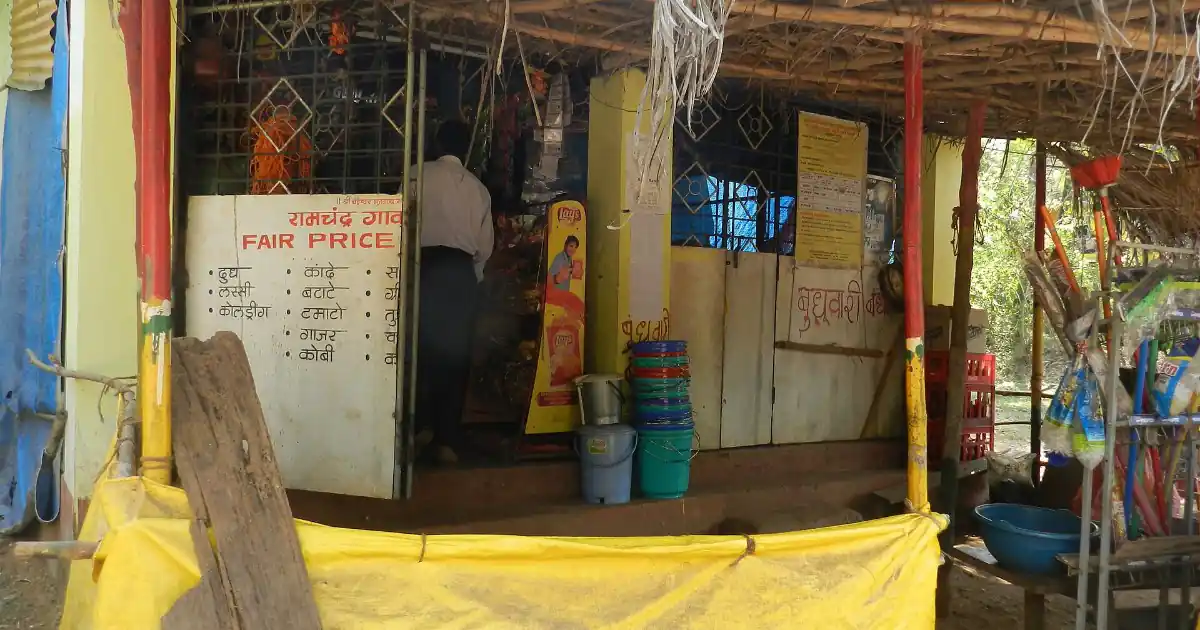
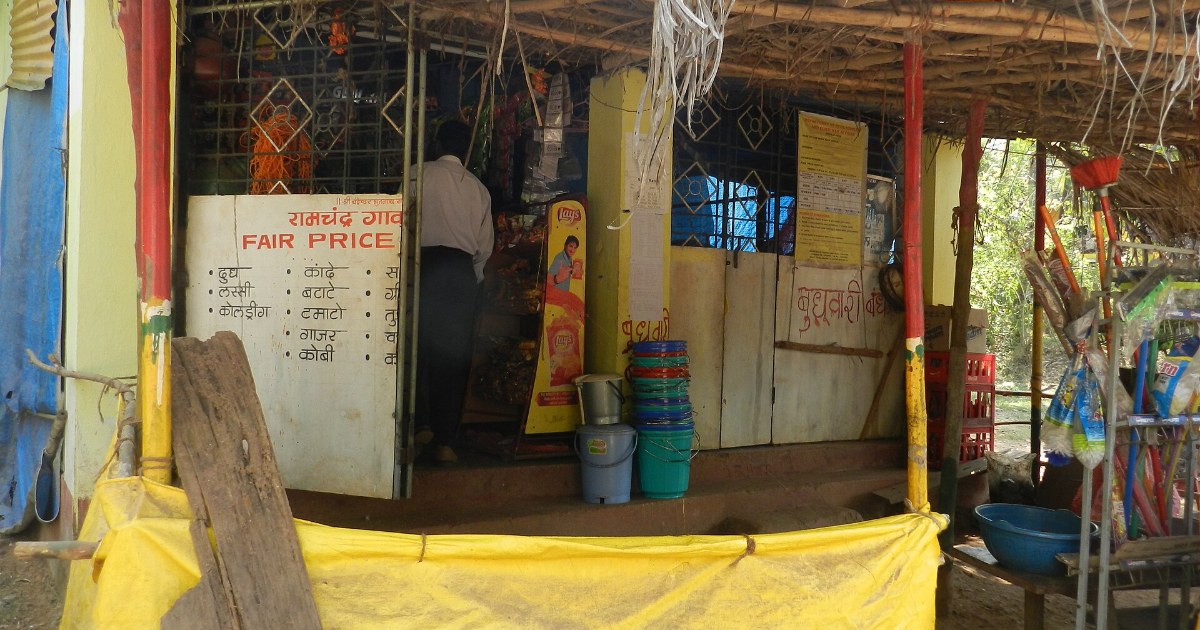
It lets a ration card holder draw her entitlement from any Fair Price Shop (FPS), the licensed ration shop, anywhere in the country, without applying for a new card. This is called portability.
The biggest gainers are migrant workers. A labourer from Odisha working in Hyderabad can collect his grain in Hyderabad, while his family back home draws the rest of the household's share on the same card.
3. What does the National Food Security Act actually guarantee?
The National Food Security Act, 2013 (NFSA) turns subsidised food into a legal entitlement. Under Section 3(1), every person in a priority household is entitled to five kilograms of foodgrains a month.
The prices are set in Schedule I of the Act: not more than Rs 3 a kilogram for rice, Rs 2 for wheat and Re 1 for coarse grains. A 2022 notification made foodgrains under Section 3 free for calendar year 2023.
Note: Portability is not a section of the NFSA. The Act guarantees the entitlement; ONORC is an administrative reform of how that entitlement is delivered. A question asking for "the NFSA section on portability" has no correct section.
4. What makes portability technically possible?
Portability depends on every shop being able to check, in real time, who a beneficiary is and what she has already drawn. That needs digital records and connected devices at the counter.
Ration card and beneficiary databases have been fully digitised across States and Union Territories. Nearly every FPS now uses an e-PoS device, an electronic point-of-sale machine that verifies the beneficiary and records the sale.
Launched: 2019, by the Department of Food and Public Distribution
Coverage: all 36 States and Union Territories
Portability transactions: about 3.27 crore a month
Total transactions since inception: over 233 crore
Foodgrains distributed through these: over 614 LMT
Fair Price Shops: 5.51 lakh, of which 99.8% use e-PoS devices
SARTHAK-PDS: umbrella scheme running to 31 March 2031
Mera Ration app: available in 13 languages
Supreme Court deadline for all States: 31 July 2021
SARTHAK-PDS funds intra-State movement and handling of grain and FPS dealer margins. Its components include NIRMAL for data architecture and analytics, and SAKSHAM for real-time data integration, including tracking of vehicle locations.
The Mera Ration app lets users check entitlements, view past transactions, check whether they can use portability and find nearby Fair Price Shops using GPS.
5. What role did the Supreme Court play?
During the pandemic, the plight of stranded migrants reached the Supreme Court as a suo motu case, one the Court takes up on its own: In Re: Problems and Miseries of Migrant Labourers.
On 29 June 2021, a bench of Justices Ashok Bhushan and M.R. Shah directed every State not yet implementing ONORC to do so by 31 July 2021. That direction turned a voluntary reform into a court-backed deadline.
6. Has portability solved the migrant's ration problem?
What the reform has achieved
Portability gives choice and dignity. A beneficiary no longer depends on one shopkeeper, and a worker who moves for a job keeps his food security instead of losing it at the State border.
Where gaps remain
Shops in cities that receive many migrants must stock more grain than their own card list suggests. If allocations do not follow actual demand, the shop runs out and the portability right exists only on paper.
Authentication can also fail, through weak connectivity or unreadable fingerprints, and the poorest are least able to argue at the counter. Most importantly, portability helps only those already holding an NFSA card; it does nothing for eligible families who were never enrolled.
ONORC has solved the problem of distance. The harder problem of coverage, of who gets a card in the first place, lies outside what portability can fix.