What does the ART Act, 2021 say on egg donation? Why is Telangana inspecting IVF centres?
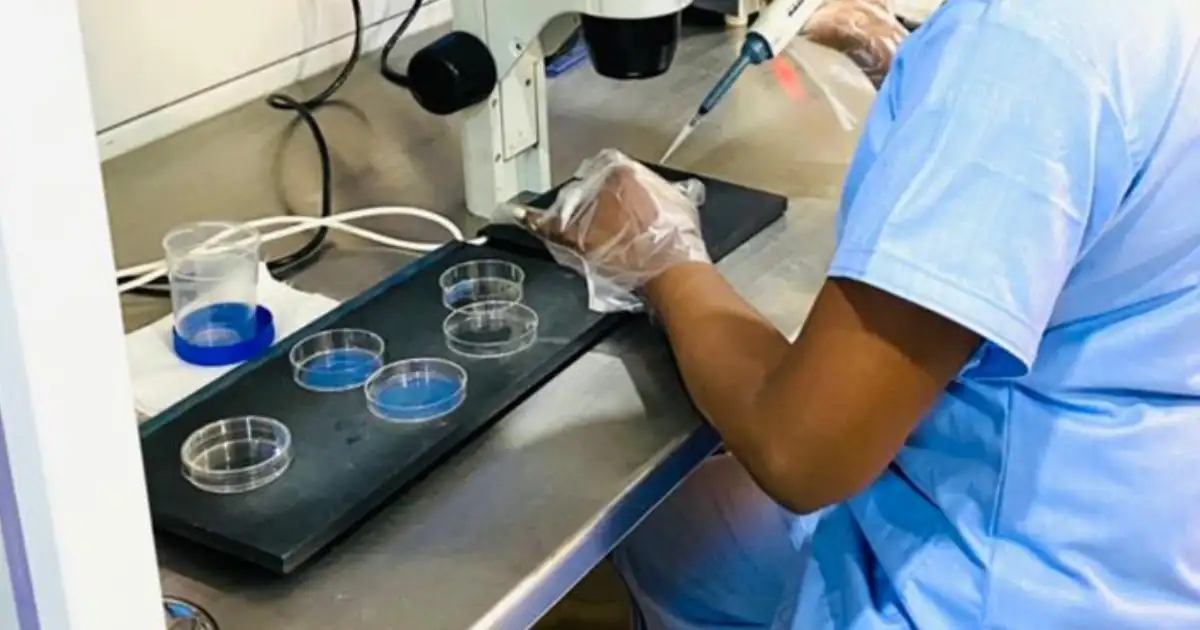
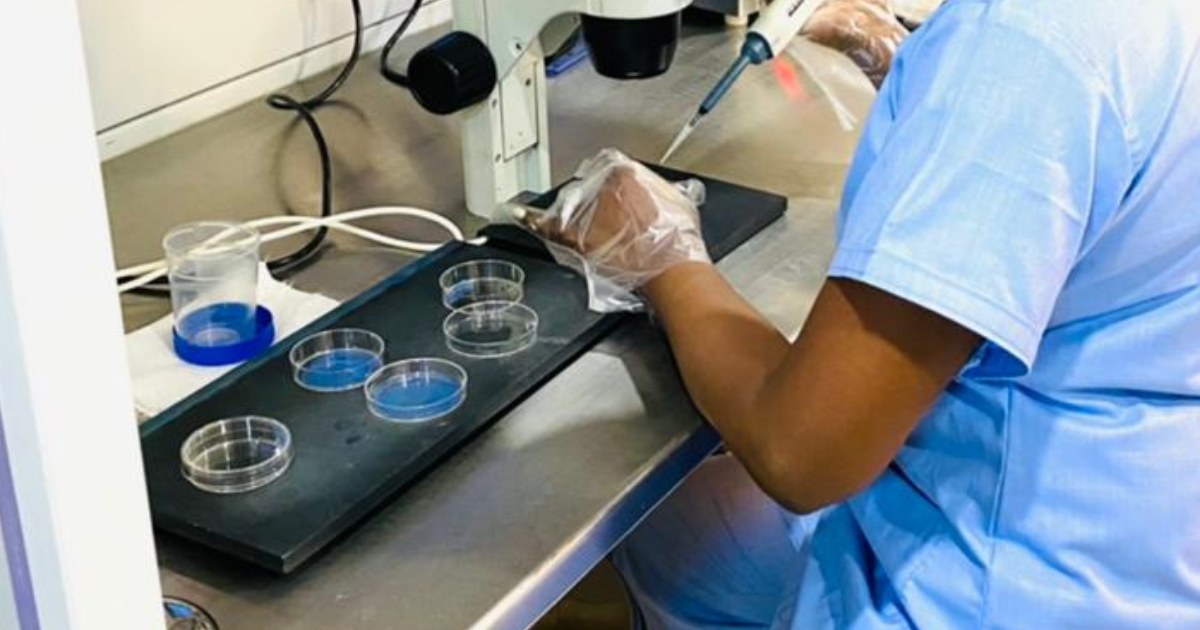
Telangana's inspections of fertility centres have found 13 regulatory violations in seven hospitals amid a police probe into an alleged oocyte donation network. What the Assisted Reproductive Technology (Regulation) Act, 2021 requires, and the penalties it sets. Find out below!
1. What have Telangana's inspections of fertility centres found?
Telangana's Health Department has inspected 27 of the 44 identified assisted reproductive technology (ART) facilities in the State. Task-force teams have been visiting IVF centres for four days, and inspections of the rest are continuing.
So far, 13 regulatory violations have been found in seven hospitals, and show-cause notices have been issued to their managements. Health Minister C. Damodar Rajanarasimha has directed a comprehensive investigation and stringent action against violators.
In a parallel criminal case registered at Begumpet Police Station, Malkajgiri police have taken eight accused in an alleged oocyte donation network into custody from November 11 to 15, to question them on how women were recruited, transported and lodged.
2. What is assisted reproductive technology, and why does it need a law?
Assisted reproductive technology covers medical methods that help a person conceive outside the natural process, most commonly in vitro fertilisation (IVF), where an egg is fertilised in a laboratory and the embryo placed in the womb.
Many treatments use donor gametes, the eggs or sperm of another person. An oocyte is an egg cell. Retrieving oocytes needs hormone injections and a minor surgical procedure, which carries real health risks for the donor.
Where there is demand and money, poor women can be pushed into repeated donations by middlemen. The law exists to keep donation safe, voluntary and traceable, and to stop the trade in human eggs.
3. Who may run an ART clinic or bank under the Act?
Under the Assisted Reproductive Technology (Regulation) Act, 2021, no ART clinic or bank may operate unless it is registered (Section 15(1)). A bank here means a facility that stores gametes or embryos.
The appropriate authority must grant or reject an application within 30 days, and only after a hearing (Section 16(1)). The State Board inspects the premises before registration, and a registration is valid for five years.
The Act also creates the National Assisted Reproductive Technology and Surrogacy Registry, the central database of clinics and banks (Sections 9 to 11). Telangana officials visited it in New Delhi on November 6 to seek data on the State's registered facilities.
4. What limits does the Act place on egg donation?
The Act sets strict conditions on who may donate and how often. Oocytes may be taken only from women aged 23 to 35 (Section 27(2)(b)).
A woman may donate only once in her lifetime, and not more than seven oocytes may be retrieved from her (Section 27(4)). This single rule is the main protection against a donor being used again and again.
Above all, the sale, transfer or use of gametes, zygotes and embryos for money is prohibited (Section 29). The State has cautioned women against intermediaries offering financial inducements for donation.
5. What happens when a clinic breaks the rules?
On a complaint, the appropriate authority issues a show-cause notice (Section 18(1)). After giving a reasonable hearing, it may suspend or cancel the clinic's registration (Section 18(2)). A clinic may appeal within 30 days (Section 19).
Act number: Act 42 of 2021; assent December 18, 2021
Registration mandatory: Section 15(1); valid five years
Donor age: 23 to 35 years, Section 27(2)(b)
Donation limit: once in a lifetime, at most seven oocytes, Section 27(4)
Sale of gametes: prohibited, Section 29; an offence under Section 33(1)(b)
First contravention: fine of Rs 5 lakh to Rs 10 lakh, Section 33(2)
Later contraventions: 3 to 8 years in prison and a fine of Rs 10 lakh to Rs 20 lakh
Nature of offences: cognizable and bailable, Section 36
Note: Suspension or cancellation under Section 18 is an administrative action against a clinic's registration. It is without prejudice to criminal action, so a clinic can lose its registration and also face prosecution under Section 33.
6. Is the Act strong enough to stop exploitation?
The case for strict enforcement
The law already contains the tools: registration, a national registry, a once-in-a-lifetime donation limit and a ban on sale. If they are enforced, a network paying women for eggs should find no registered clinic willing to use them.
In principle, a central database of clinics and banks also makes it harder to hide repeat donations moving between facilities.
The weak points
Enforcement depends on inspections, and Telangana had inspected only 27 of 44 facilities when violations were found in seven hospitals. Rules that are checked only after a scandal invite the very trade they prohibit.
Making the offences bailable may also weaken deterrence against organised middlemen, while women recruited with money often lack the knowledge to judge the health risks they are accepting.
7. What does Telangana's case reveal about regulating fertility care?
The ART Act draws a clear line: donation is a gift, not a sale. But a demand for donor eggs will always create pressure on that line, especially where poverty makes a cash offer hard to refuse.
A law can define the limits; it cannot by itself guarantee that clinics, registries and police watch them. Telangana's inspections test whether the Act works as a living system or only on paper.