What majority does the Delimitation Bill need? Why is a Special Session on the table?
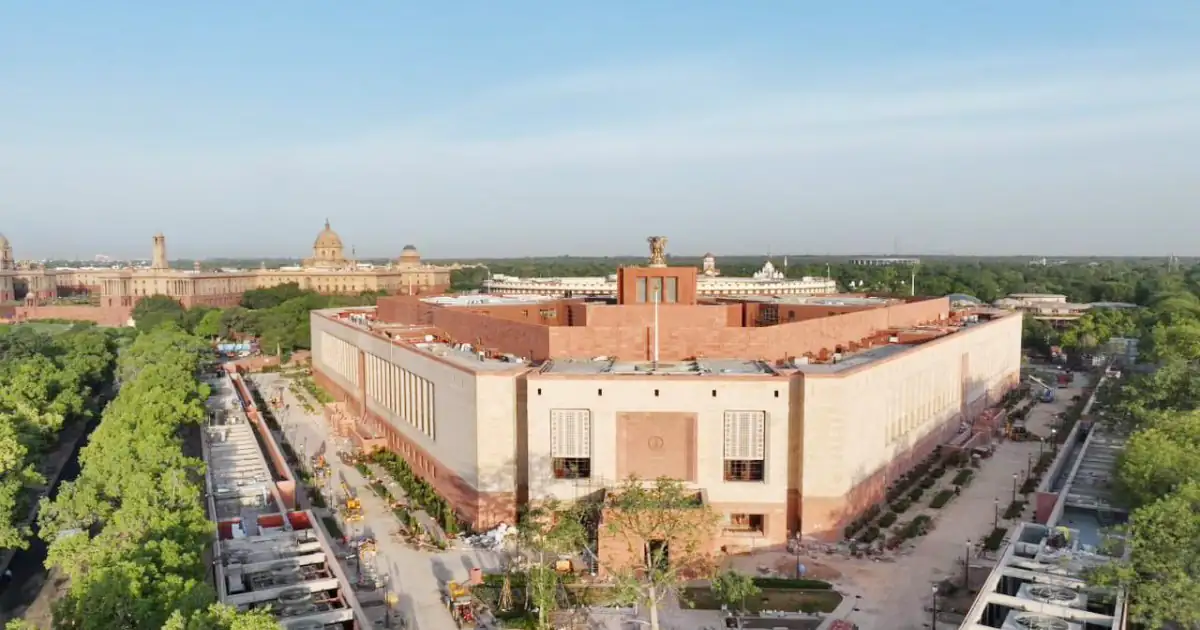
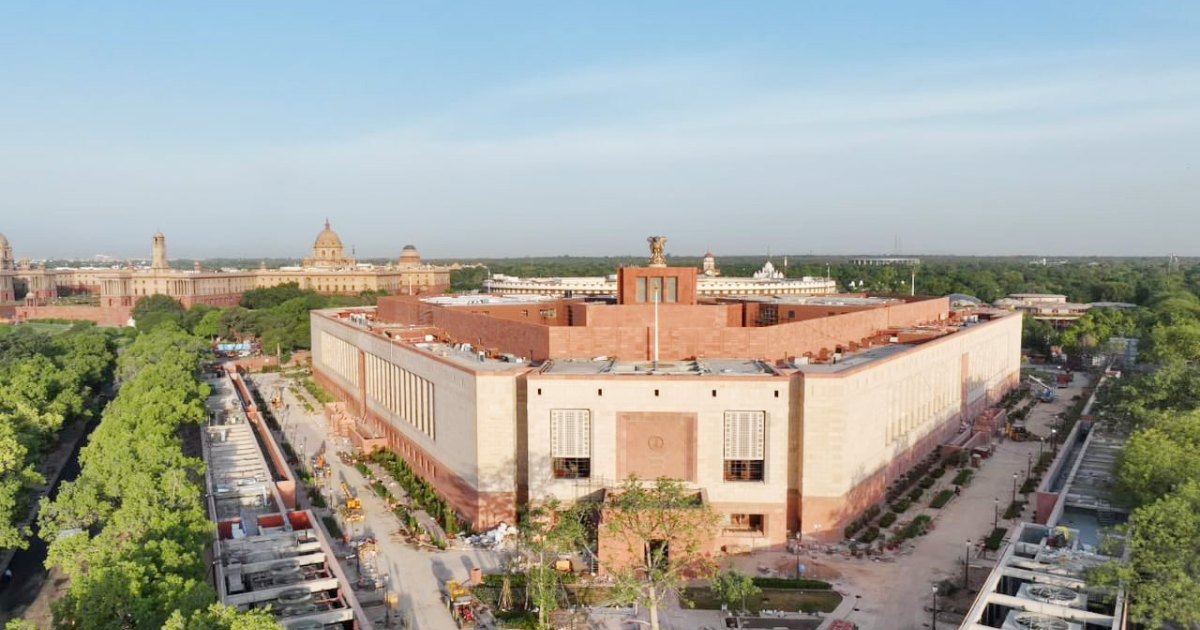
The Centre is weighing a Special Session of Parliament to pass the Delimitation Bill, 2026, which it links to the women's reservation law. We cover what delimitation is, the 850-seat plan, the special majority under Article 368 and the debate on seat shares. Read on!
1. Why is the Centre considering a Special Session on delimitation?
The Union government is considering a Special Session of Parliament to pass the Delimitation Bill, 2026. The government links the Bill to putting the Women's Reservation Act, 2023 into effect. The dates and length of any such session have not been disclosed.
This would be a second attempt. A similar Constitution Amendment Bill failed to secure the required numbers in a special sitting of the Budget Session on 17 April.
2. What is delimitation and why is women's reservation tied to it?
Delimitation is the fixing of the number of seats in a legislature and the redrawing of constituency boundaries, based on population figures from a census. It decides how many seats each State gets and where each constituency's lines fall.
The Constitution (106th Amendment) Act, 2023, also called the Nari Shakti Vandan Adhiniyam, reserves one-third of seats for women in the Lok Sabha and State Legislative Assemblies. It inserted Articles 330A and 332A for this purpose.
Article 334A, also inserted in 2023, sets the timing. The reservation takes effect only after a delimitation exercise based on the first census held after the Act. It is to last 15 years from then.
Note: The Article 334A summary here is drawn from a published summary of the constitutional text, not an official site. The principle that the quota waits for delimitation is the reason the two issues travel together.
3. What would the Bill change?
The proposal is to raise the strength of the Lok Sabha from 543 to a maximum of 850 seats. Enlarging the House would allow the 33% quota to apply in Parliament and in State Assemblies without cutting the number of general seats.
The exercise would be based on the 2011 Census.
There is also talk of an amendment that would raise the seats of every State by 50%, so that the ratio between States stays as it was under the 1971 Census. The April Bill did not contain this.
Seat shares between States have rested on the 1971 Census for decades. A plain population-based redistribution would favour States whose populations grew faster, which is why a uniform percentage rise is being discussed.
4. What majority does the Delimitation Bill need?
A Bill amending the Constitution must be passed in each House under Article 368(2). It needs a majority of the total membership of the House and a majority of not less than two-thirds of members present and voting.
The second test is where the April attempt fell short. With three vacancies in the 543-member Lok Sabha, a two-thirds majority works out to 361 votes.
Current Lok Sabha strength: 543, with three vacancies
Votes needed for two-thirds: 361
Proposed maximum strength: 850
Census proposed as the base: 2011
Women's quota: one-third (33%) of seats
Earlier attempt failed: 17 April, special sitting of the Budget Session
Special majority: Article 368(2)
Women's reservation: Articles 330A, 332A and 334A, inserted by the 106th Amendment Act, 2023
5. Why is the Monsoon Session still not prorogued?
The Monsoon Session was adjourned sine die on 13 August but has not been prorogued. Adjournment sine die, ending a sitting without fixing a date to meet again, is done by the presiding officer. Prorogation, which formally ends the session, is ordered by the President.
As a result, Parliament has stayed unprorogued for 91 days. That breaks the earlier record of 87 days, set in 2008. The government has not said when the House will meet again.
6. What are the two sides of the seat-expansion debate?
The case for enlarging the House
An enlarged House lets women's reservation begin without any sitting member losing a general seat, which makes the change easier to pass. The Centre has framed the Bill as the step that turns a law passed in 2023 into seats on the ground.
The concerns about the method
The worry is about the base and the balance. Using the 2011 Census means using data that is fifteen years old. A purely population-based count could also shift seats between States, which is why the 1971 ratio formula has come up.
The question the arithmetic cannot settle
Even a uniform 50% rise only freezes the old balance between States. It does not answer whether a frozen ratio is fair to States whose populations have grown, or whether rewarding slower growth is fair to the rest.
A larger Lok Sabha can deliver women's reservation, but it cannot by itself resolve the federal question underneath. The Constitution asks for a special majority precisely because changes to representation touch every State, and that consensus is what the April vote did not find.