How far has India cut TB deaths since 2015? What does the WHO report still flag?
India's TB deaths have fallen 38% since 2015, ahead of the 35% global fall, says the WHO's latest Global TB Report. We explain the End TB targets, India's share of cases, treatment success, catastrophic costs and what the gap to 2030 looks like. Read on!
1. How far has India cut TB deaths since 2015?
The World Health Organization's (WHO) latest Global TB Report shows that tuberculosis (TB) mortality in India has fallen by 38% since 2015. The global average fall over the same period is 35%.
The report also records a 94% treatment success rate in India for drug-susceptible TB. Worldwide, TB killed 1.13 million people in 2025, so the disease remains one of the deadliest infections on the planet.
2. What is TB and what does "mortality" measure here?
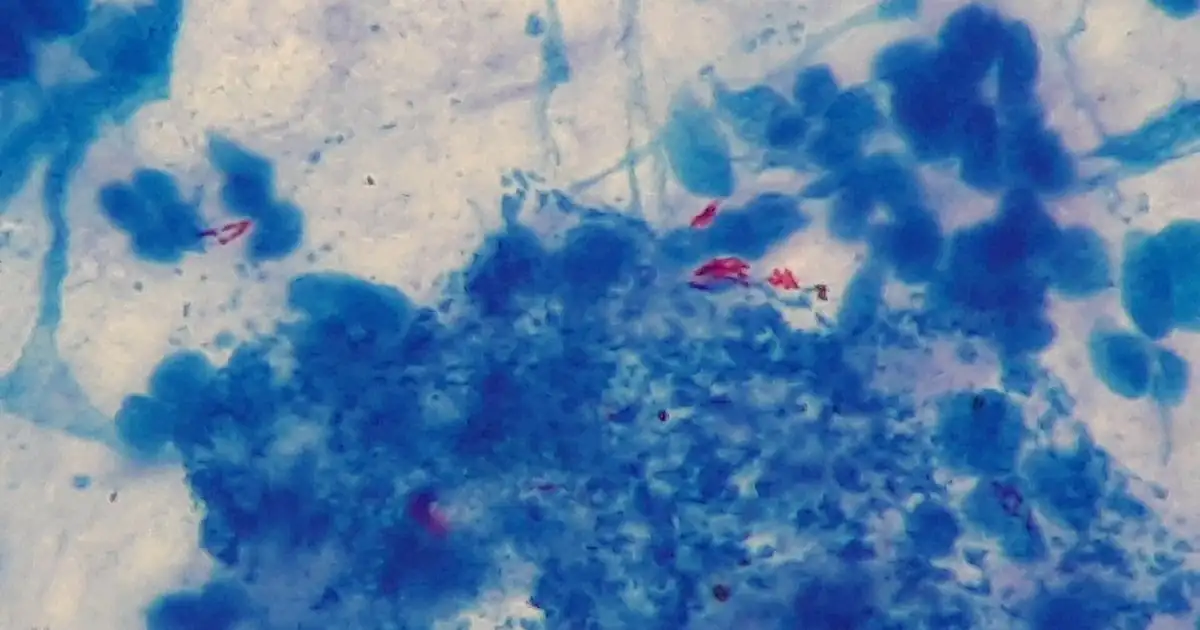
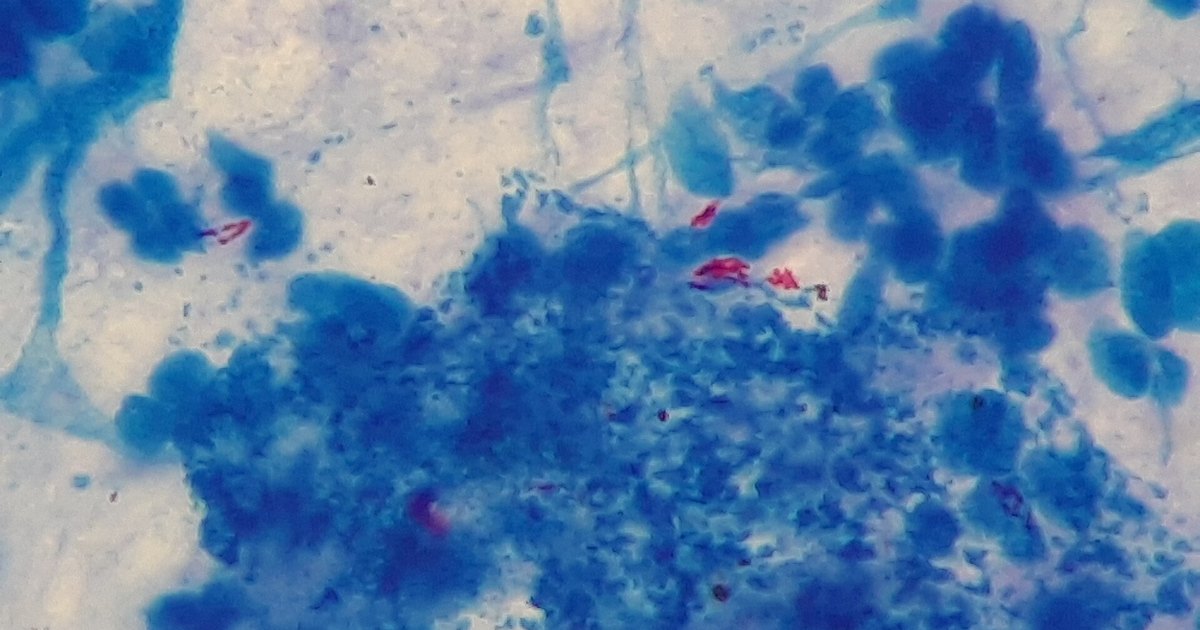
TB is an infectious disease caused by bacteria that most often attack the lungs. It spreads through the air when a person with active lung TB coughs or sneezes, and it is curable with a full course of drugs.
TB mortality is the number of deaths caused by the disease. It is one of the core measures used to judge whether a country is winning against TB, alongside incidence, which is the number of new cases in a year.
Drug-susceptible TB is TB that responds to the standard first-line medicines. Drug-resistant forms need longer and harder treatment, which is why success rates are reported separately.
3. What are the global targets India is measured against?
The WHO's End TB Strategy sets 2015 as the baseline. By 2030 it aims to cut TB deaths by 90% and the incidence rate by 80% compared with 2015.
The strategy also aims that no TB-affected household should face catastrophic costs. These are costs above 20% of household income, counting both treatment expenses and lost earnings.
These goals sit alongside Sustainable Development Goal 3.3, which calls for ending the TB epidemic by 2030. India's 38% fall is ahead of the world, but well short of the 90% the strategy wants within four years.
4. Where does the TB burden lie?
The burden is concentrated in a small group of countries. Thirty high-burden countries account for 88% of new TB cases, and India alone accounts for about a quarter of the world's new cases.
Fall in TB mortality since 2015: India 38%, global average 35%
Treatment success, drug-susceptible TB (India): 94%
Global TB deaths, 2025: 1.13 million
Share of new cases, 30 high-burden countries: 88%
India's share of new cases: about a quarter
Indonesia's share: 10%
Philippines' share: 6.8%
Regional share of new cases: South-East Asia 35%, Western Pacific 27%, Africa 25%
End TB targets for 2030 (against 2015): deaths down 90%, incidence down 80%
People screened under TB Mukt Bharat Abhiyaan: over 25 crore (7 December 2024 to 8 November 2026)
5. What has India done to find more cases?
Finding cases early is half the battle, because an undiagnosed patient keeps spreading the disease. Under the TB Mukt Bharat Abhiyaan, over 25 crore individuals were brought within screening between 7 December 2024 and 8 November 2026.
Mass screening tends to raise reported case numbers in the short run. That is a sign that hidden cases are being found and treated, not that the disease is spreading faster.
Note: A rise in notified cases after a screening drive is not the same as a rise in incidence. Read the two figures separately.
6. What does the report still flag?
The progress
A 38% fall in deaths, faster than the world, and a 94% treatment success rate show that diagnosis and treatment are reaching more people. A screening campaign of this size also widens the net for the next round of gains.
The gaps
About 50% of people treated for TB and their households still face catastrophic costs, spending more than 20% of household income. Treatment lasts months, and lost wages during that time can push families into debt.
India also still carries about a quarter of the world's new cases. With that share, India's progress weighs heavily on whether the global targets can be met at all.
The distance to 2030
The End TB Strategy's 90% target leaves little time. Moving from 38% to 90% in four years would need a far steeper fall than the past decade has delivered.
The report shows India moving in the right direction faster than most. What it cannot show yet is whether the gains in treatment can be matched by gains in protecting families from the cost of being ill, which is where TB control is often lost.