What is happening at COP31 in Antalya? Why does the split between loans and grants matter?
COP31 has opened in Antalya with finance at the centre of the talks. The UNEP Adaptation Gap Report 2026 puts adaptation needs near $305 billion a year by 2035. We cover Article 9 of the Paris Agreement, the Baku goal, loans versus grants and India's demand. Read on!
1. What is happening at COP31 in Antalya?
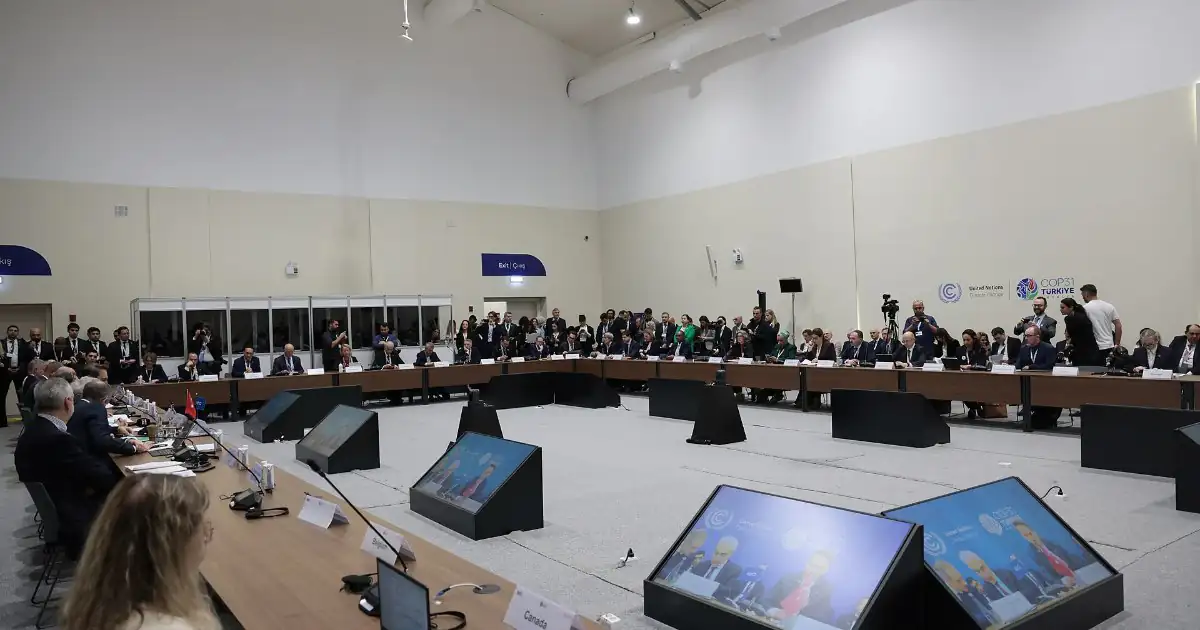
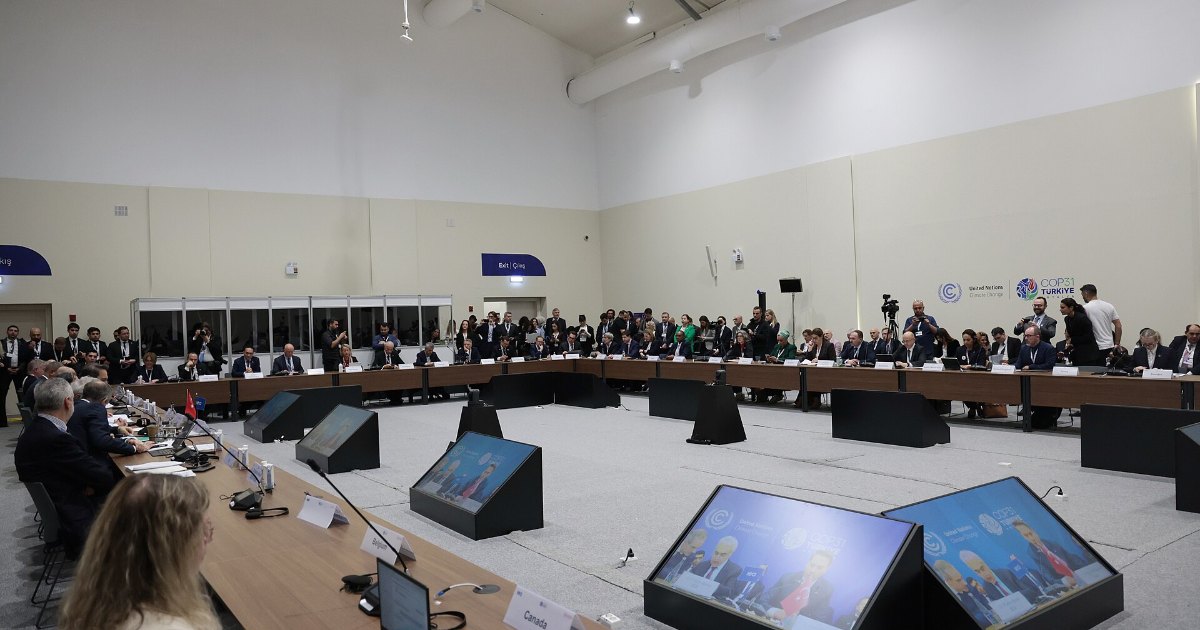
The 31st Conference of the Parties (COP31) to the UN climate convention has begun in Antalya, Turkiye. Turkiye is the host, while Australia presides over the negotiations.
Money is at the centre of the talks. The dispute is not only about how much developed countries should provide, but about what kind of money counts: grants that need not be repaid, or loans that must.
2. What is climate finance?
Climate finance is money spent to help countries deal with climate change. It goes to two broad purposes: mitigation, which means cutting greenhouse gas emissions, and adaptation, which means preparing for impacts such as floods, heatwaves and rising seas.
Adaptation is usually the harder area to fund. A solar park earns revenue that can repay a loan; a sea wall or a drought-resistant seed programme protects lives but rarely produces cash flow.
3. What does the Paris Agreement say about it?
Article 9(1) of the Paris Agreement says developed country Parties shall provide financial resources to assist developing country Parties with both mitigation and adaptation. This continues their existing obligations under the UN Framework Convention on Climate Change.
Article 9(3) adds that developed countries should continue to take the lead in mobilising climate finance from a wide variety of sources, noting the significant role of public funds. That phrase is at the heart of today's argument over loans and grants.
4. How big is the adaptation gap?
The UNEP Adaptation Gap Report 2026 estimates that developing countries will need about $305 billion a year for adaptation by 2035. Against this, developed countries provided between $28.2 billion and $31.7 billion of public adaptation finance in 2024.
At COP30 in Brazil, countries pledged to triple adaptation finance. Even if that pledge is met by 2035, it would cover only 20% to 29% of the need.
Note: The adaptation figures here are UNEP estimates. Different bodies count climate finance differently, so totals from other sources may not match.
5. What are the goals so far, and where do they stand?
Climate finance goals have a history of arriving late. The $100 billion a year target set at Copenhagen in 2009 was meant to be met by 2020; it was missed that year and first reached only in 2022.
Copenhagen goal (2009): $100 billion a year by 2020, first reached in 2022
Baku goal (COP29, 2024): developed countries to lead in at least $300 billion a year by 2035
Wider Baku ambition: $1.3 trillion a year by 2035 from all sources
Total climate finance in 2024 (OECD): $136.7 billion
Loans in public climate finance, 2024: $68.5 billion (67%)
Grants in public climate finance, 2024: $29.7 billion (29%)
Adaptation need by 2035 (UNEP): about $305 billion a year
Adaptation finance provided in 2024: $28.2 billion to $31.7 billion
India's demand: at least $1 trillion a year from developed countries
Legal basis: Article 9(1) and 9(3), Paris Agreement
The Baku goal, adopted at COP29, is known as the New Collective Quantified Goal. It replaced the old $100 billion figure as the headline target.
6. Why does the split between loans and grants matter?
Two-thirds of public climate finance in 2024 came as loans. A loan must be repaid with interest, so it adds to the debt of countries already spending heavily on recovering from disasters.
A grant transfers resources outright. For adaptation projects that earn no revenue, a loan can mean a poor country borrowing to protect itself from a problem it did little to cause.
India's formal submission asks for at least $1 trillion a year from developed countries, mainly as grants and low-cost loans.
7. What are the two sides of the finance debate?
The developing countries' case
Developing countries argue that Article 9(1) places the duty on developed countries, and that loans at market rates do not discharge it. They point to the emphasis on public funds in Article 9(3) and to repeated missed targets.
The case for counting all sources
The wider Baku ambition counts money from all sources, including private investment and lending. The argument for this approach is that public budgets alone cannot reach trillion-dollar sums, so every channel has to be counted and used.
What the talks keep postponing
The practical question of how the money will actually flow has been deferred to COP32. Until it is settled, pledges remain headline numbers without an agreed route from treasury to project.
The adaptation gap is not only a shortfall in money; it is a shortfall in the kind of money that adaptation can use.
A goal that is met mostly through loans can look generous on paper while leaving the most exposed countries more indebted. That is the question COP31 has to face.