What did cyclones Arnab and Murasu cost Andhra Pradesh? How is the damage assessed?
Two cyclones, Arnab and Murasu, struck the Andhra Pradesh coast within a week, causing losses the State puts at about Rs 6,500 crore. We explain cyclone grades, why the Bay of Bengal breeds storms, the damage to farmers and how disaster relief works. Read on!
1. What did cyclones Arnab and Murasu cost Andhra Pradesh?
Two cyclones struck the Andhra Pradesh coast between 28 October and 3 November. Very Severe Cyclonic Storm Arnab made landfall on 28-29 October with gales of around 150 kmph.
Severe Cyclonic Storm Murasu followed, making landfall near Ongole and bringing extremely heavy rain on 3-4 November.
The Chief Minister has estimated the combined economic loss at about Rs 6,500 crore. At least 20 deaths have been linked to the cyclones, and the State's own damage report is still being prepared.
A seven-member Inter-Ministerial Central Team is touring Palnadu, Bapatla, Eluru and East Godavari districts on 13 and 14 November to assess the damage from Murasu.
2. How are cyclones graded in India?
The India Meteorological Department (IMD) grades cyclones by maximum sustained wind speed, the average wind speed held over a period rather than a single gust.
A Cyclonic Storm blows at 62-88 km/h and a Severe Cyclonic Storm at 89-117 km/h. A Very Severe Cyclonic Storm reaches 118-167 km/h, an Extremely Severe Cyclonic Storm 168-221 km/h, and a Super Cyclonic Storm 222 km/h or more.
So Arnab, at about 150 kmph, sat in the upper half of the Very Severe band, while Murasu was a grade lower but did its damage through rain.
3. Why does the Bay of Bengal breed so many cyclones?
According to the IMD's Director General, Mrutyunjaya Mohapatra, the Bay of Bengal is warmer than the Arabian Sea because river inflow stratifies its surface water.
The fresh river water forms a layer that keeps the warm surface from mixing with cooler water below, and warm water feeds cyclones.
The storms also follow a seasonal track. October cyclones mostly hit Odisha and West Bengal, November cyclones Andhra Pradesh, and December cyclones Tamil Nadu.
At least 63 cyclonic storms since 1970 have affected the Andhra Pradesh coast. Arnab is the fourth Very Severe Cyclonic Storm to cross it, after those of 1999, Hudhud in 2014 and Titli in 2018.
Two cyclones within a week last struck in 2013, with Helen and Lehar, and before that in 1987 and 1976.
A 2023 IMD study of 100 districts found 12 "very highly prone" to cyclones, three of them in Andhra Pradesh: composite Krishna, East Godavari and Nellore.
4. What did the storms do to farmers?
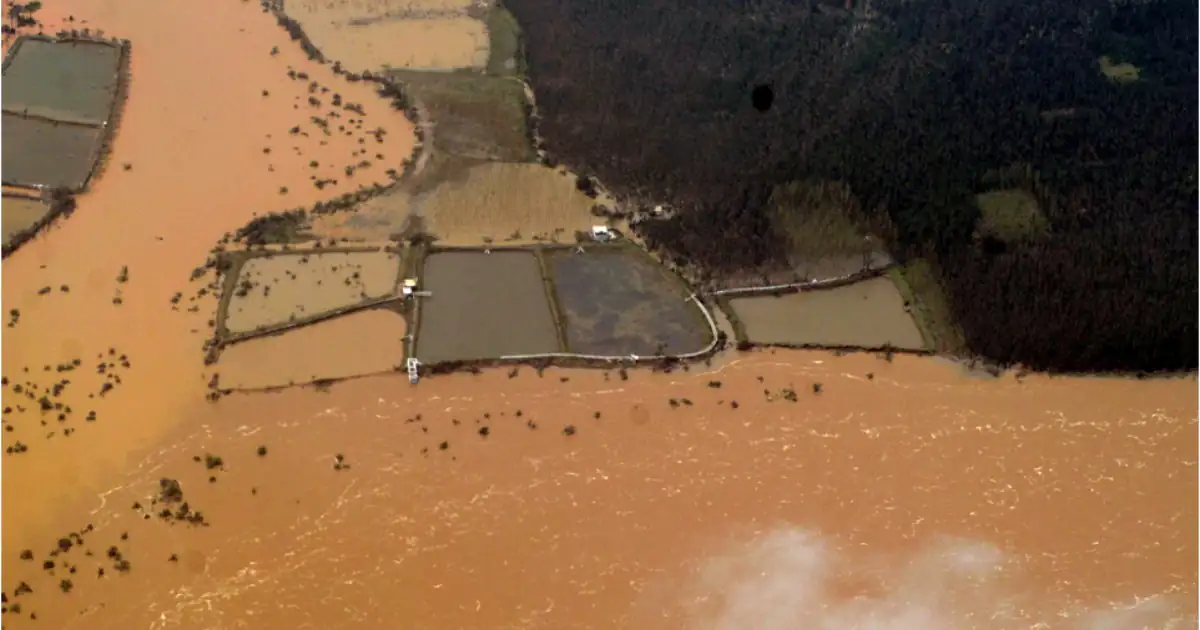
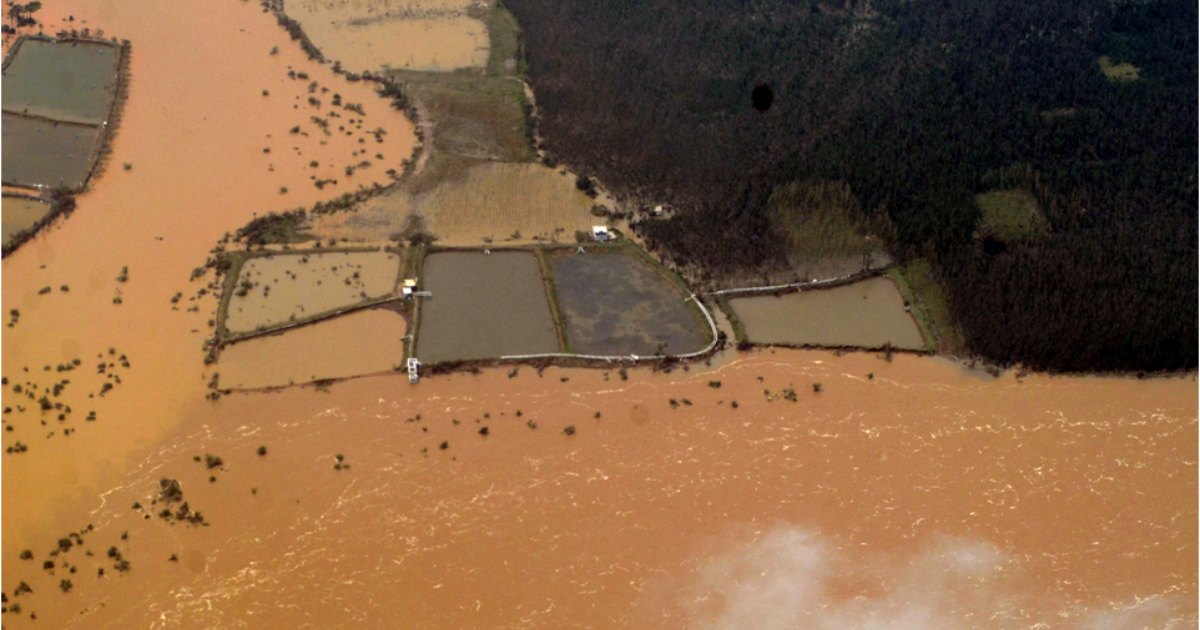
The worst losses fell on the Godavari delta. In Konaseema, over 73,500 coconut trees were uprooted, paddy was destroyed on 1,18,109 acres and about 88,000 farmers were affected.
In West Godavari, 27,397 coconut trees were destroyed, hitting more than 5,000 small and marginal growers. The compensation is Rs 1,500 per tree, but a coconut tree takes about ten years to reach its usual height.
None of the coconut growers had crop insurance. For them, the loss is not one season's income but a decade of future harvests.
5. What is the legal framework for disaster relief?
The Disaster Management Act, 2005 sets up the structure. Section 14 creates the State Disaster Management Authority, and section 44 the National Disaster Response Force, the specialist rescue force.
Money flows through two funds. Section 48(1)(a) provides for the State Disaster Response Fund, the first source of relief, while section 46 provides for the National Disaster Response Fund. Section 35(2)(e) covers the Centre's assistance to States.
The Act also assigns damage-assessment duties to Union ministries and State departments, in sections 36 and 39.
Note: The Inter-Ministerial Central Team is an executive arrangement of the Union Home Ministry. It is not a body created by the Disaster Management Act.
6. What is the central team doing, and what are the key figures?
The team is led by Chittaranjan Das, Joint Secretary in the Union Home Ministry. The same team assessed the damage from Arnab, so it will see both storms' effects in the same districts.
Arnab: Very Severe Cyclonic Storm, landfall 28-29 October, around 150 kmph
Murasu: Severe Cyclonic Storm, landfall near Ongole, heavy rain 3-4 November
Combined loss (State estimate): about Rs 6,500 crore
Deaths: at least 20
Coconut trees uprooted, Konaseema: over 73,500
Paddy destroyed, Konaseema: 1,18,109 acres
Coconut compensation: Rs 1,500 per tree
Cyclonic storms affecting the AP coast since 1970: at least 63
Very Severe Cyclonic Storm band: 118-167 km/h
Central team: seven members, touring 13-14 November
Law: Disaster Management Act, 2005 (sections 14, 44, 46, 48)
7. Did climate change make the storms worse?
What the attribution study found
An analysis by the Grantham Institute at Imperial College estimated that climate change raised maximum wind speeds by 5% and eyewall rain by 11%. About 25% of the economic damage was attributed to climate change.
The eyewall is the ring of violent storms around a cyclone's calm centre, where the strongest winds and heaviest rain occur.
Why it matters for relief
If part of the damage comes from a warming climate, storms of this kind will do more harm in future.
Relief norms built for rare events, and compensation such as Rs 1,500 for a tree that takes ten years to grow, will come under more strain.
What attribution cannot settle
An attribution estimate explains part of the damage, but it cannot rebuild a coconut grove or pay a farmer. With no crop insurance among growers and a decade-long recovery, Andhra Pradesh's real test is how quickly livelihoods return once the assessment teams leave.