Why is the Amaravati Outer Ring Road being re-tendered? How is BOT different from HAM?
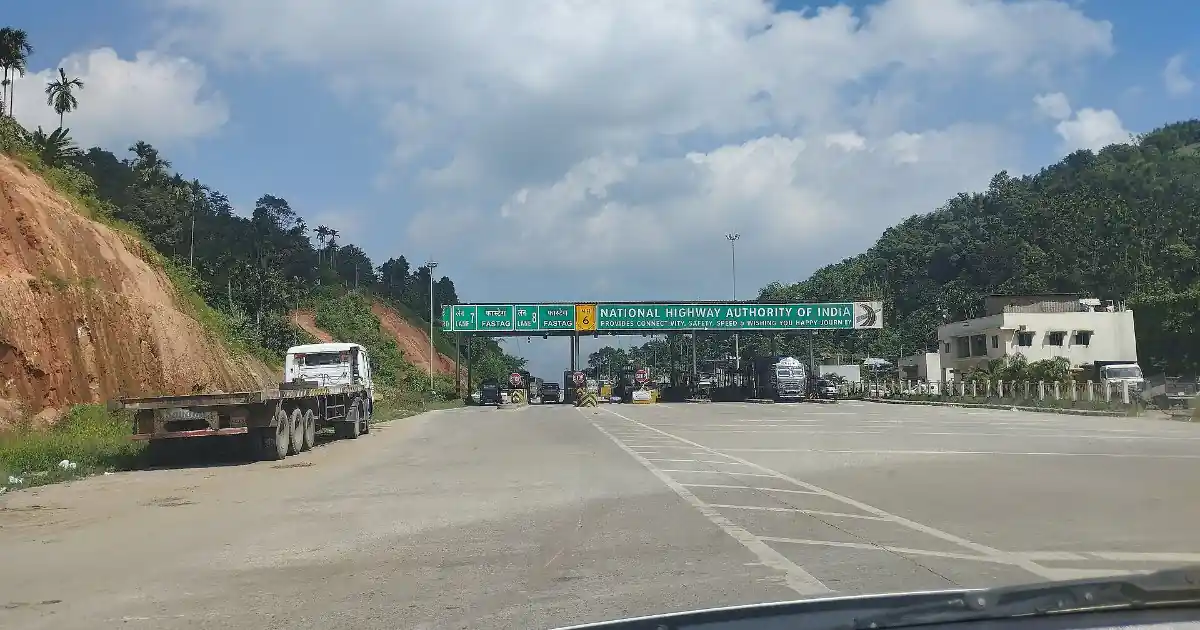
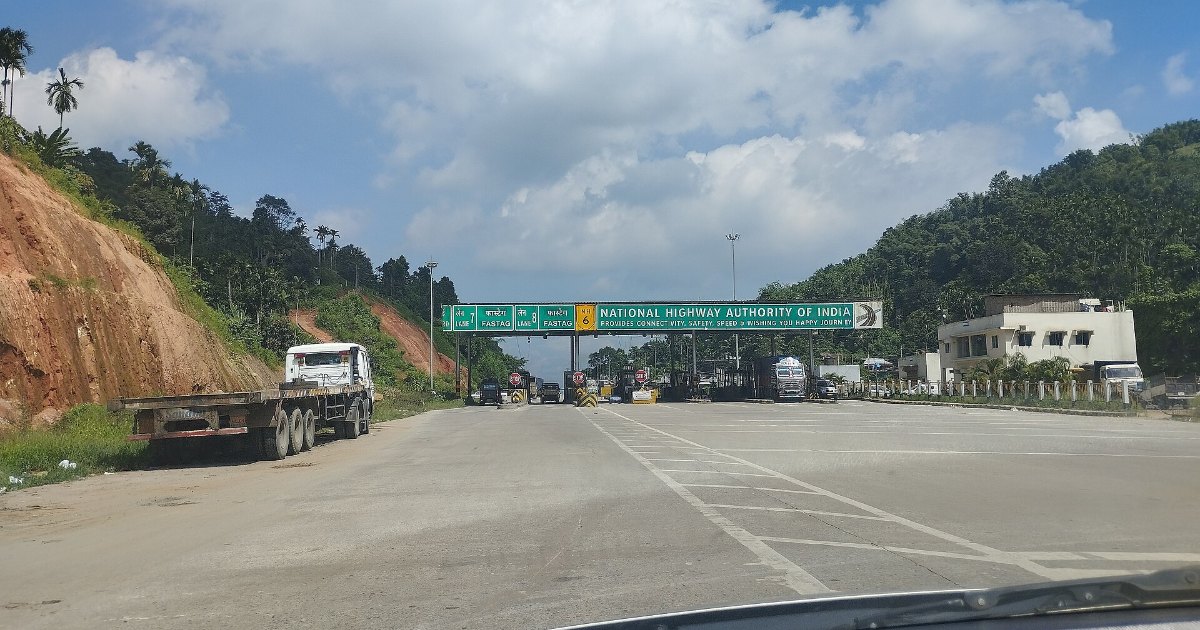
The Amaravati Outer Ring Road is being re-tendered in two packages under the BOT toll model instead of four under the Hybrid Annuity Model. We explain both models, who pays and who collects the toll, and what the switch changes for the State and road users. Read on!
1. Why is the Amaravati Outer Ring Road being re-tendered?
The tendering of the Amaravati Outer Ring Road (ORR) has been changed in two ways. The project will now be bid in two packages instead of four, and under the Build-Operate-Transfer (BOT) toll model instead of the Hybrid Annuity Model (HAM).
The original bid deadline of 18 November is being extended. Until now the plan had been to build the project under HAM.
2. What is the Amaravati Outer Ring Road?
An outer ring road is a high-speed corridor that circles a city at a distance. It lets long-distance traffic bypass the urban core and opens up land along its route for planned growth.
The Amaravati ORR is 189.93 km long. With a further 5.2 km, the total comes to 195.13 km. Under the earlier plan, this length was split into four packages of 27.93 km, 56 km, 55.7 km and 55.5 km.
For a road of this length circling the capital region, the choice of financing model decides how the cost is shared between the State, private firms and the people who will use it.
3. How does the Hybrid Annuity Model work?
Under HAM, the government pays 40% of the project cost to the developer during construction, as Construction Support. The remaining 60% is paid as an annuity, a fixed series of payments with interest, spread over the operations period.
Toll collection under HAM is the responsibility of the government or the road authority, not the developer. Because the developer is paid through the annuity, traffic and revenue risks lie with the authority.
In simple terms, HAM shares the construction burden between the government and the private firm, but the government carries the risk that traffic, and so toll income, may fall short.
4. How does BOT (Toll) work?
Under BOT (Toll), the concessionaire, the private company that wins the contract, designs, builds, runs and maintains the highway for a fixed concession period. It is entitled to collect and keep the toll revenue during that period. The road authority sets the toll rates.
At the end of the concession period, the road is transferred to the government, which is the "transfer" in Build-Operate-Transfer.
The difference from HAM is in who pays and who earns. Under BOT, the government does not make construction support or annuity payments in the way HAM requires; the concessionaire's earnings come from the toll it collects.
Note: The government releases describing BOT do not state who bears traffic risk under the model, so this post does not make a claim on it.
5. What changes with the switch?
Length of the ORR: 189.93 km, plus 5.2 km, for a total of 195.13 km
Earlier packages: four (27.93 km, 56 km, 55.7 km and 55.5 km)
New packages: two
Earlier model: Hybrid Annuity Model (HAM)
New model: Build-Operate-Transfer (Toll)
Government share under HAM: 40% during construction, 60% as annuity
Toll under HAM: collected by the government or authority
Toll under BOT: collected and kept by the concessionaire
Original bid deadline: 18 November, being extended
Fewer, larger packages mean each contract is bigger. That can attract firms with the capacity to build and run long stretches, but it also narrows the field to bidders who can finance a larger share of the work.
6. What are the two sides of the switch?
The case for BOT
The main advantage for the State is fiscal. Under HAM, the government must find 40% of the cost during construction and then pay annuities for years. Under BOT, the private partner raises the money and recovers it through tolls, easing the strain on public finances.
The concerns
BOT places the burden of paying for the road on its users through tolls. Larger packages also demand bidders with deep pockets, able to fund long stretches of construction on their own before any toll is collected.
What the model cannot decide
A financing model decides who pays and when. It cannot guarantee that the road will carry enough traffic to justify its cost, which depends on how quickly the capital region around it grows.
The shift from HAM to BOT moves the cost of the Amaravati ORR from the government's budget towards toll payers and private capital. How bidders respond to the new terms will become clear only when the extended deadline closes.