What is an SEZ? How did a 12-hectare chip zone in Visakhapatnam qualify?
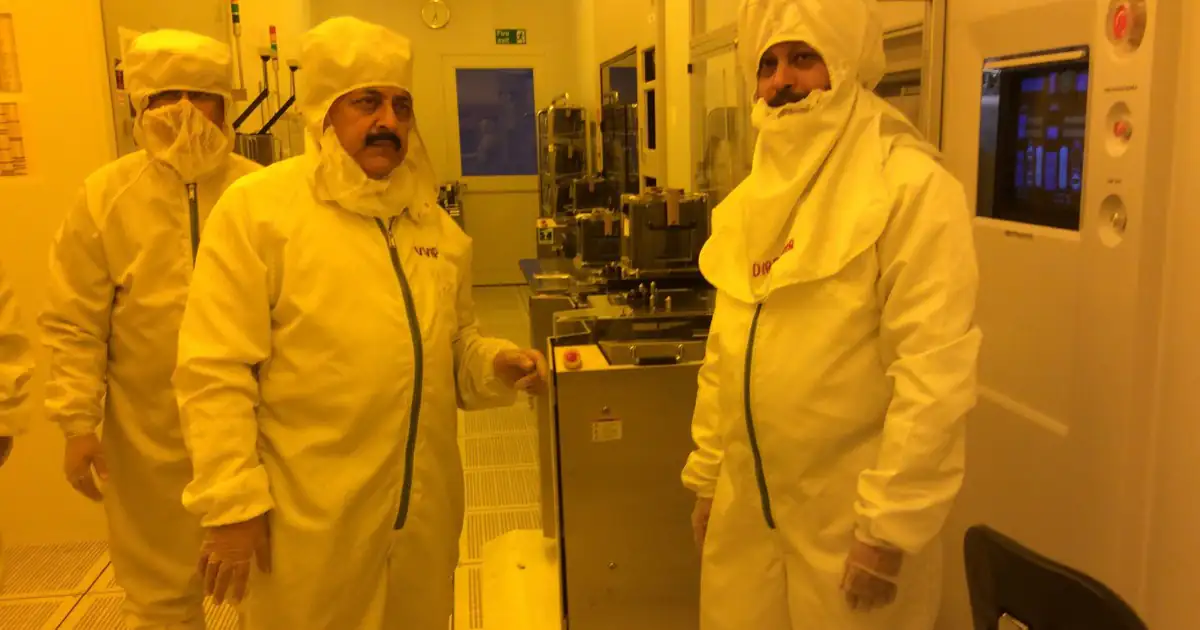
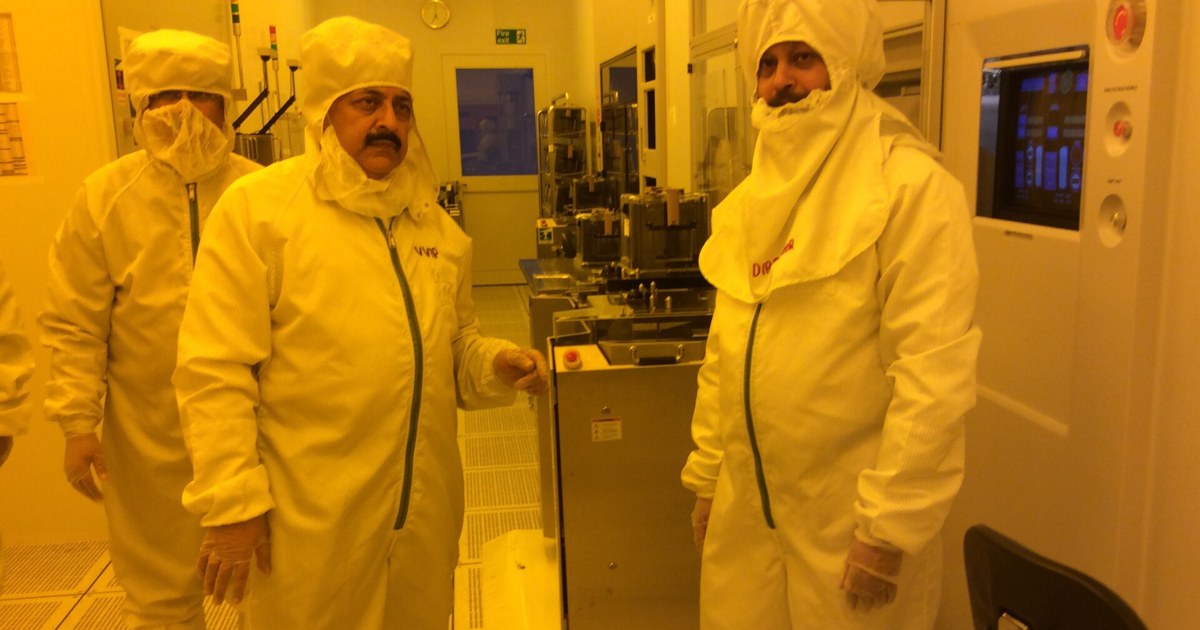
The Centre has approved a semiconductor SEZ on 12.14 hectares in Visakhapatnam district. We explain what an SEZ is, how the 2005 Act creates one, the 2025 land rule for chip zones, India's semiconductor push and both sides. Read on!
1. What has the Centre approved in Visakhapatnam district?
The Centre has approved a Special Economic Zone (SEZ) for semiconductor manufacturing on 12.14 hectares in Visakhapatnam district. The Union Commerce Ministry notified the approval on 13 November 2026.
The total investment is put at Rs 2,387.81 crore. The zone is expected to produce 96 million semiconductor units a year and create about 1,000 jobs.
2. What is a Special Economic Zone?
An SEZ is a duty-free enclave that the Central Government declares under the Special Economic Zones Act, 2005. It can be set up for manufacturing, services or both.
For its authorised operations, Section 53 treats an SEZ as outside the customs territory of India. Section 26 allows exemption from customs and excise duty, service tax and central sales tax on those operations.
Under Section 30, a unit can sell in the Domestic Tariff Area (DTA), the rest of the Indian market, only on paying the applicable customs duty, as if the goods were imported.
3. How does an area become an SEZ?
Under Section 3, the Central Government, a State Government or any person may set up an SEZ. The proposal goes either to the State Government or directly to the Board of Approval (BoA).
The Board may approve, modify or reject it. If the proposal is approved, the Centre grants a letter of approval to the developer under Section 3(10).
Under Section 4(1), once the Centre is satisfied that the requirements are met, it notifies the area as an SEZ. Section 5 lists what it weighs: economic activity, export promotion, investment, employment, infrastructure and national security.
The Board is chaired by a Commerce Ministry officer of Additional Secretary rank or above and decides by general consensus. It can suspend a developer's letter of approval and appoint an Administrator.
A Development Commissioner, not below Deputy Secretary rank, oversees one or more SEZs, speeding development and monitoring developers and units.
4. How did a 12-hectare zone qualify?
Rule 5 of the SEZ Rules, 2006 sets the minimum contiguous land for a zone. An amendment on 3 June 2025, G.S.R. 364(E), cut that minimum from 50 hectares to 10 for an SEZ exclusively for semiconductors or electronic components.
At 12.14 hectares, the Visakhapatnam zone clears the new floor; under the old rule it would not have.
The same amendment lets the Board relax the condition that land be encumbrance-free, that is, free of legal claims, under Rule 7. Under Rule 18, semiconductor units can supply the DTA on paying duty.
Note: The 10-hectare floor is not a general cut for all SEZs. It applies only to zones set up exclusively for semiconductors or electronic components.
The government has cited two earlier projects under this policy: Micron at Sanand, on 37.64 hectares with Rs 13,000 crore, and Aequs at Dharwad, on 11.55 hectares with Rs 100 crore.
5. Where did SEZs come from, and how big are they now?
Asia's first export processing zone (EPZ) was set up at Kandla in 1965. The SEZ policy came in April 2000, and SEZs ran under the Foreign Trade Policy from 1 November 2000 to 9 February 2006.
Before the Act, there were 7 Central Government SEZs and 12 State or private ones; Andhra Pradesh had one Central SEZ.
Kandla EPZ: 1965, Asia's first
SEZ policy announced: April 2000
Presidential assent to SEZ Act: 23 June 2005
Act and SEZ Rules in force: 10 February 2006
Semiconductor SEZ land floor: 50 ha to 10 ha, 3 June 2025
Notified SEZs in India: 368, as of 28 February 2026
SEZ exports, April-December 2025-26: over Rs 11.70 lakh crore, up 32.02%
SEZ investment and jobs: Rs 7.86 lakh crore; over 31.73 lakh employed (December 2025)
Andhra Pradesh, March 2021: 32 approved, 27 notified, 24 operational
6. How does this fit India's semiconductor push?
On 15 December 2021, the Cabinet approved a Rs 76,000 crore programme for the semiconductor and display ecosystem. It offers up to 50% support for fabs, the plants that make chips, with the India Semiconductor Mission (ISM) as the nodal agency.
It also covers 30% of capital expenditure for compound semiconductor and ATMP/OSAT units, which assemble, test and package chips. By 4 February 2026, the government listed 10 approved projects, worth about Rs 1.6 lakh crore, across six States, one of them in Andhra Pradesh; PIB does not link that project to this zone.
The two are separate instruments: SEZ status is a customs and tax regime, while the mission gives financial support for a plant's cost.
7. What are the two sides?
The case for the zone
The 2025 rule change made a compact chip zone possible, and Visakhapatnam has used it. The zone brings manufacturing investment, a stated 96 million units a year and about 1,000 jobs inside a duty-free, export-oriented framework.
The case for caution
SEZ status grants relief; it does not guarantee output. Andhra Pradesh's own record shows a gap between approval and operation: by March 2021, 32 approvals had produced 24 operational zones. Sales to the domestic market also carry duty.
What notification does not settle
Notification under Section 4 ends the legal process; it does not start production, and the capacity and job figures are projections. Whether this zone moves from notified to operational, a step where Andhra Pradesh has fallen short before, is the real test.