Should the Supreme Court be split into two tiers? What does Article 130 allow?
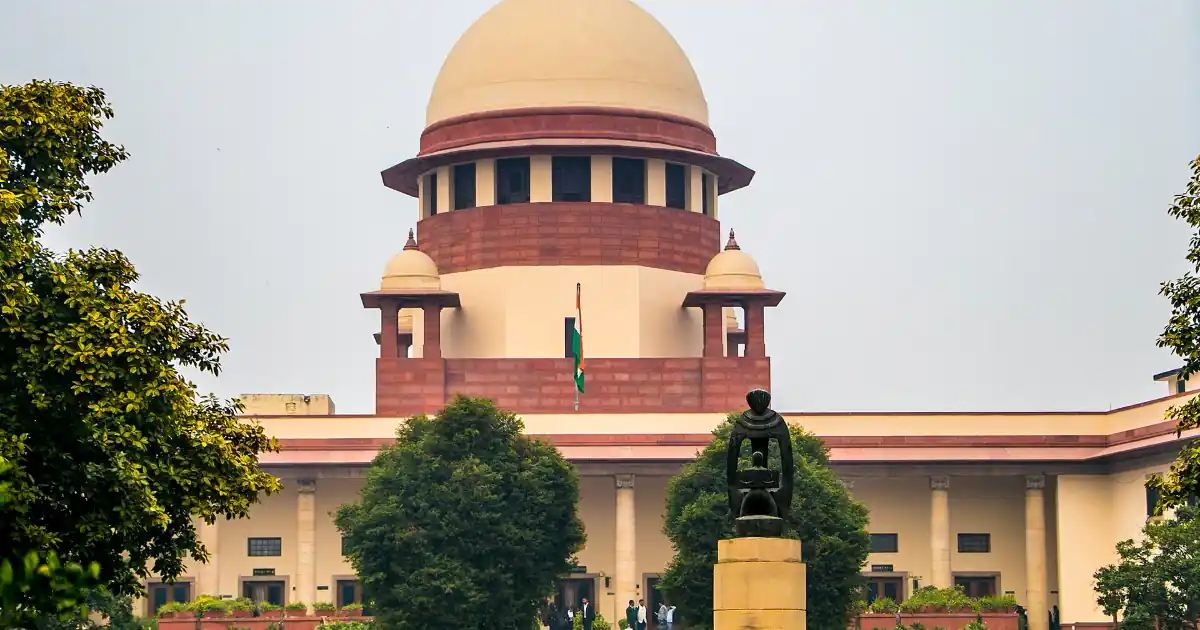
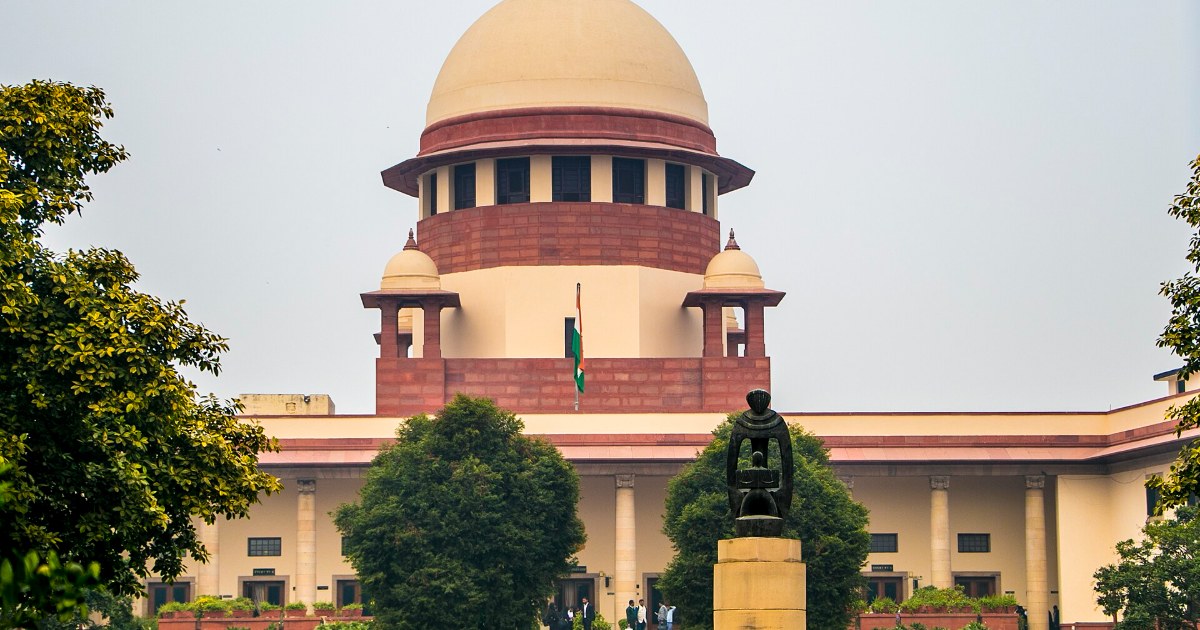
Supreme Court pendency is close to 93,000 cases despite more judges. A proposal for a Constitutional Court with regional appeal courts is back in debate. We cover Article 130, the 229th Law Commission Report, Brazil's experience and the arguments on both sides. Read on!
1. Why is splitting the Supreme Court back in debate?
A proposal to restructure India's Supreme Court into two tiers is back in public debate. It would give a Constitutional Court the constitutional questions and send ordinary appeals to regional appeal courts.
The case rests on numbers. Pendency in the Supreme Court is close to 93,000 cases today. In 2025 the court disposed of 65,615 cases while 75,410 fresh matters arrived, so the backlog grew even in a productive year.
2. Why has adding judges not cut pendency?
Parliament raised the court's sanctioned strength to 34 in 2019, when pendency stood near 60,000. In 2026 Parliament raised the strength again, to 38.
Pendency has kept rising all the same. More judges let the court decide more cases, but if fresh filings grow faster, the queue still lengthens. Supporters of reform argue the problem is the court's design, not only its size.
An apex court that hears every kind of appeal spends much of its time on routine matters. A two-tier design tries to separate the court's constitutional role from its appellate load.
3. What would a two-tier structure look like?
The best-known blueprint is the 229th Report of the Law Commission of India (2009). It proposed a Constitution Bench in Delhi and four regional Cassation Benches, located at Delhi, Chennai or Hyderabad, Kolkata and Mumbai.
A cassation bench is one that hears appeals against lower-court decisions. Under this plan, regional benches would absorb the everyday appellate work, and the Constitution Bench in Delhi would keep the constitutional questions.
4. What does Article 130 allow?
Article 130 deals with the seat of the Supreme Court. It says the court shall sit in Delhi or in such other place or places as the Chief Justice of India may, with the approval of the President, from time to time appoint.
The 229th Report relied on this wording. It argued that Article 130 may already permit regional Benches without a constitutional amendment, because the Constitution itself contemplates the court sitting outside Delhi.
Note: Article 130 is about where the Supreme Court sits. Its text does not mention a separate Constitutional Court. The 229th Report argued only that regional Benches may need no amendment; that argument does not cover the whole two-tier split.
5. Where does the proposal stand today?
In 2023 a Parliamentary Standing Committee recommended regional Benches. According to Pradeep S. Mehta and Vijay L. Kelkar, who have argued for the reform, the Union Law Ministry has since accepted that recommendation.
The judiciary has been more reluctant. Successive Chief Justices have feared that a divided Supreme Court would no longer be a single supreme one.
Article 130: seat of the Supreme Court; Delhi or other places the CJI appoints with the President's approval
229th Law Commission Report: 2009; Constitution Bench in Delhi plus four regional Cassation Benches
Parliamentary Standing Committee: recommended regional Benches in 2023
Sanctioned strength: 34 in 2019; 38 in 2026
Pendency: near 60,000 in 2019; close to 93,000 now
Workload in 2025: 65,615 cases disposed; 75,410 fresh matters
Brazil: 1988 Constitution created the Superior Tribunal of Justice; 2004 reform added a "general repercussion" filter
6. What does Brazil's experience show?
Brazil's 1988 Constitution created a Superior Tribunal of Justice to take over much of the appellate load from its apex court. The idea is close to the regional appeal courts proposed for India.
Yet Brazil's backlog fell only after a 2004 reform gave its apex court the power to filter cases, through a test called "general repercussion". A new tier alone was not enough; the top court also needed control over what reached it.
7. What are the two sides?
The case for two tiers
Separating constitutional work from routine appeals would let the apex court spend its time on questions that shape the law for everyone. Regional benches would also bring appeals closer to litigants who now travel to Delhi.
Article 130 offers a route that may avoid a constitutional amendment, and a Parliamentary panel has already backed regional Benches.
The case against
The Chief Justices' worry is about authority. A court that sits in several places, deciding similar appeals separately, could produce conflicting rulings and weaken the idea of one final voice on the law.
What a new tier cannot fix by itself
Brazil's record is the warning. If every appeal can still climb to the top, a new tier may simply add another stop. Without a filter on what the apex court hears, India could build a larger system and keep the same queue.