Why has Telangana declared drought in 365 mandals? How is drought declared?
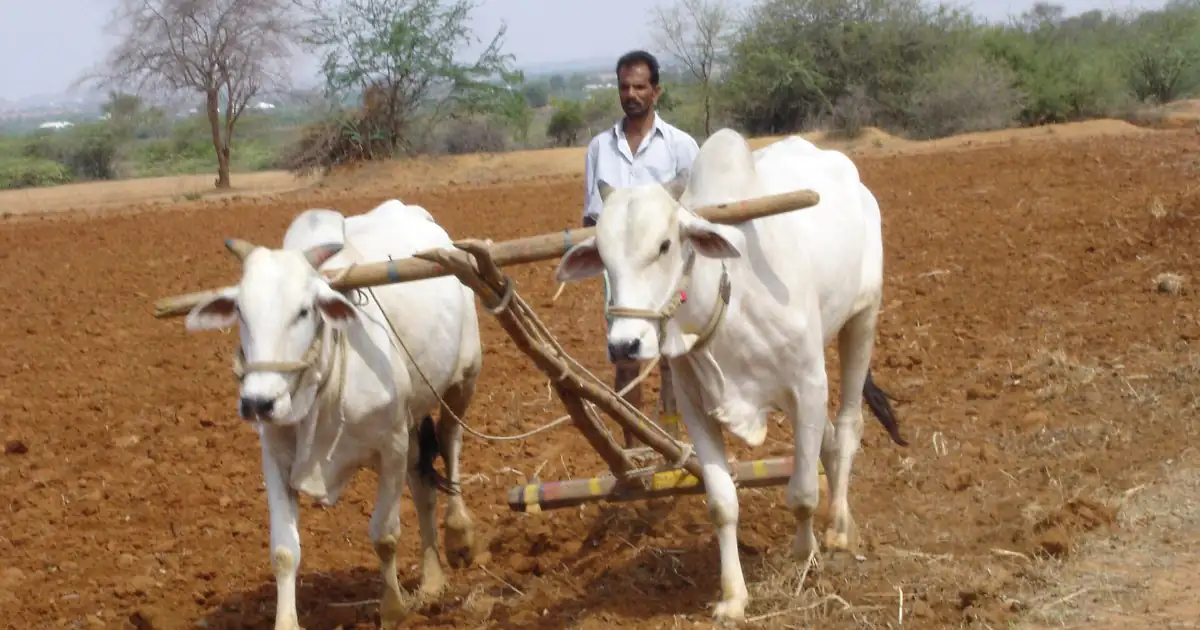
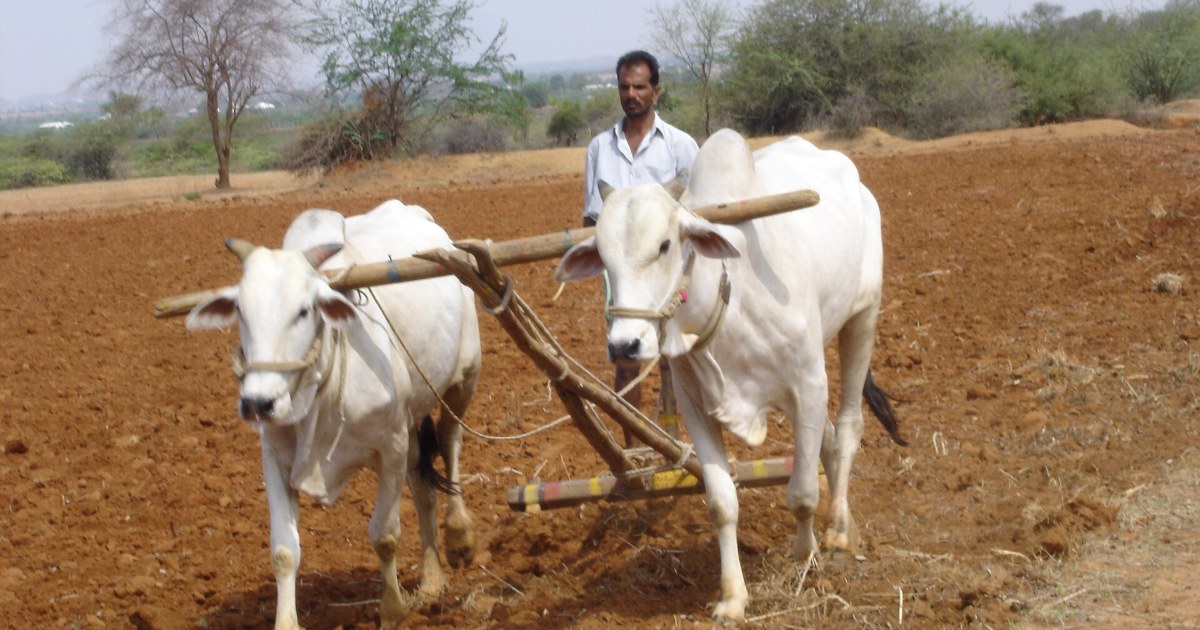
Telangana has declared 365 mandals in 31 districts drought-affected, 111 of them severe. We explain who declares a drought, the two triggers in the Centre's Manual for Drought Management, how severe and moderate are decided, and the limits of the method. Read on!
1. Why has Telangana declared drought in 365 mandals?
Telangana has declared 365 mandals in 31 districts drought-affected. Of these, 111 mandals are in severe drought and 254 in moderate drought.
In plain numbers, about three in ten of the declared mandals are in severe drought. The State has linked the drought to El Nino. The split between severe and moderate follows a method laid down nationally.
2. Who declares a drought, and for what area?
State Governments declare drought, by notification. The method is laid down in the Manual for Drought Management (December 2016), issued by the Department of Agriculture, Cooperation & Farmers Welfare under the Union Ministry of Agriculture & Farmers Welfare.
The Manual lets the State choose the unit of declaration. It may be a district, taluka, tehsil, block, mandal or gram panchayat. Telangana has declared drought at the mandal level.
A smaller unit gives a finer picture. Declaring by mandal, rather than by district, lets the State separate badly hit areas from neighbouring ones that escaped. Each of the 365 mandals is graded on its own.
3. What sets off the process?
The Manual works in two steps. The first, Trigger 1, is about rainfall.
Trigger 1 is set when there is a rainfall deficit, measured as a Standardised Precipitation Index (SPI) below minus one, along with a dry spell. SPI compares the rainfall received with what is normal for that place and period.
The reason for two steps is that a rainfall shortfall and a drought are not the same thing. A deficit may do little harm where soil moisture or stored water holds up, and much harm where they do not.
A trigger does not declare drought by itself. It tells the State that an area needs a closer look at what the shortfall has actually done.
4. How is drought classed as severe or moderate?
The second step, Trigger 2, looks at impact. The Manual lists impact indicators in four groups: agriculture, remote sensing, soil moisture and hydrology.
Three indicators are selected for assessment. Drought is severe if all three selected indicators show severe conditions. It is moderate if two of the three show moderate or severe conditions.
Note: Severe needs all three selected indicators to be severe. Moderate needs only two of them to be moderate or severe. An area with two severe indicators and one normal one is therefore moderate, not severe.
5. How long does a declaration last?
A drought notification is valid for up to six months, which makes it a time-bound status rather than a permanent label. For the Kharif season, drought is to be declared by 30 October.
Mandals declared: 365
Districts covered: 31
Severe: 111 mandals; moderate: 254 mandals
Cause cited: El Nino
Declared by: State Government, by notification
Rulebook: Manual for Drought Management, December 2016
Trigger 1: SPI below minus one, plus a dry spell
Trigger 2: impact indicators; severe if all three selected are severe
Validity of notification: up to six months
Kharif declaration deadline: 30 October
6. What are the two sides of this method?
Why the indicator method helps
Two triggers make declarations rest on measured data rather than on impressions. Rainfall opens the process, and impact on crops, soil and water decides the category, so areas across States are judged on comparable terms.
It also guards against declaring drought on rainfall alone while crops and water stores are still holding.
The choice of a small unit such as the mandal lets the State's response be aimed where the damage is.
Where the method falls short
Indicators take time to gather, and the Kharif deadline of 30 October fixes when the picture is frozen. Conditions that worsen after the assessment are not captured until the next review.
The severe category is strict. Because all three indicators must be severe, an area with heavy damage on two counts is still classed moderate.
What a notification cannot do
A declaration names the problem and grades it; it does not bring rain or restore a lost crop. For 365 mandals, the declaration is the start of the State's response, and its value will depend on what follows it within the six months it lasts.