How did India vote on the UN death penalty moratorium? Is the resolution binding on India?
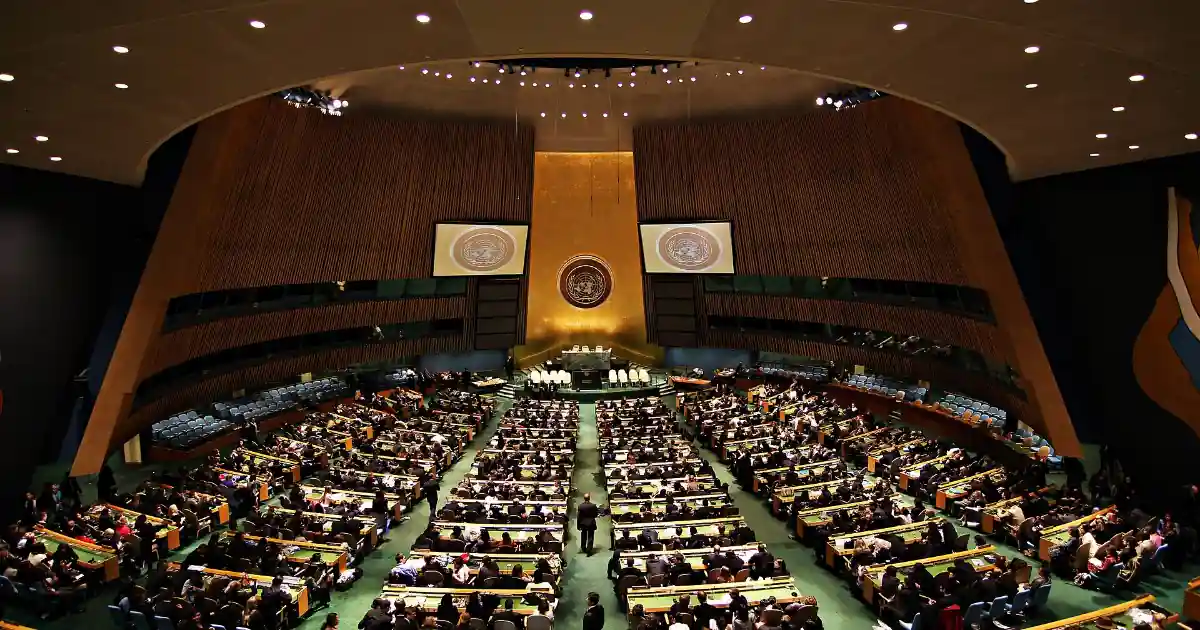
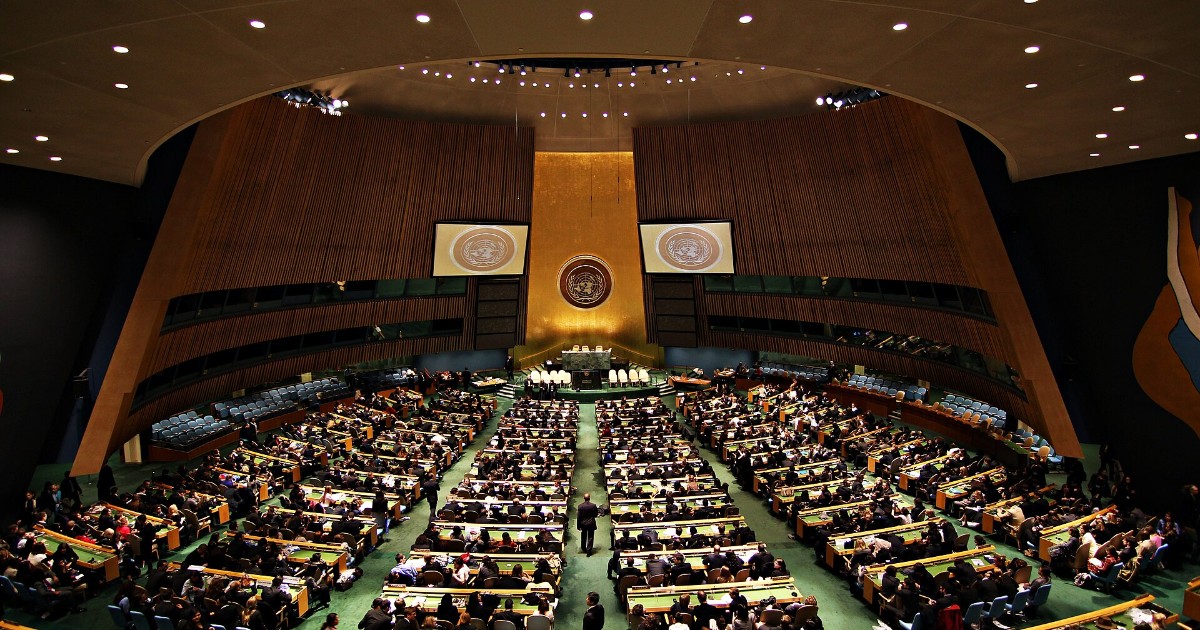
India voted against a UN General Assembly resolution calling for a moratorium on executions, a halt on carrying out death sentences. The resolution passed with 133 votes. What it asks, why it cannot bind India, and how Indian courts decide death sentences.
1. What did the UN General Assembly vote on, and how did India vote?
India has refused to back a global pause on executions. On 13 November 2026, the UN General Assembly adopted a resolution titled "Moratorium on the use of the death penalty", and India voted against it.
The vote. Mexico introduced the resolution, and it was adopted by recorded vote, in which each country's position is listed by name. 133 countries voted in favour, 33 against and 16 abstained.
The ask. It calls on all states to establish a moratorium on executions, with a view to abolishing the death penalty. A moratorium is a halt on carrying out death sentences, while the punishment itself stays in the law.
2. What does the resolution actually say?
What it asks of states
The core request is a moratorium that leads towards abolition. The resolution also expresses deep concern at a significant surge in reported executions in 2025. That surge is the trend its sponsors want reversed.
What it concedes
In the same text, the resolution reaffirms the right of all countries to develop their own legal systems. That includes deciding appropriate legal penalties, in accordance with international law.
Why the second clause matters. The resolution asks states to stop executing, but it also accepts that the choice of punishment belongs to each state. A country voting against can point to that clause as the text's own admission.
3. Is a General Assembly resolution binding on India?
No. Under Article 10 of the UN Charter, the General Assembly can discuss any matter within the Charter's scope and make recommendations to member states. Its resolutions recommend; they do not bind.
What that means in practice. A vote of 133 countries carries political and moral weight. It creates no legal obligation inside India. India's death penalty continues to be governed by its own statutes and its own courts.
Note: Adoption by the General Assembly is not the same as a treaty that a country has signed and ratified. A recommendation under Article 10 binds no member, whichever way that member voted.
4. How does Indian law decide when a death sentence can be given?
The leading case. The rule comes from a five-judge Constitution Bench of the Supreme Court in Bachan Singh v. State of Punjab. By a 4:1 majority, the court upheld the death penalty for murder as constitutional.
Rule and exception. Reading section 354(3) of the Code of Criminal Procedure, 1973, the majority held that life imprisonment is the rule and death the exception. Death can be imposed only for special reasons, recorded in writing.
The later label. This test came to be known as the "rarest of rare" doctrine. That phrase is the popular shorthand; the judgment's own frame is the rule, the exception and the written special reasons.
UNGA vote: 13 November 2026
Sponsor of the resolution: Mexico
Result: 133 in favour, 33 against, 16 abstaining
India's vote: against
UN Charter basis: Article 10, General Assembly recommendations
Bachan Singh v. State of Punjab: (1980) 2 SCC 684; AIR 1980 SC 898
Decided: 9 May 1980, five-judge Constitution Bench
Majority: 4:1, Justice Bhagwati dissenting
Statutory test: section 354(3), CrPC, 1973, special reasons in writing
Note: Bachan Singh interpreted section 354(3) of the CrPC, 1973, which has since been replaced by a new criminal procedure law. Check the corresponding section in the new law before quoting a section number in an answer.
5. What are the two sides of India's vote?
The case for India's position
Sovereign choice. The resolution itself reaffirms each state's right to decide its penalties. India's vote is consistent with treating punishment as a domestic question settled by Parliament and the courts.
An existing filter. Indian law already confines death to the exception. A judge must record special reasons, and a Constitution Bench has tested the punishment against the Constitution and upheld it.
The case for a moratorium
The trend. The resolution's sponsors point to a surge in reported executions in 2025. A moratorium pauses executions without forcing a country to rewrite its penal law overnight.
Irreversibility. A sentence of imprisonment can be corrected if a conviction later proves wrong. An execution cannot. A pause keeps that door open while the wider debate continues.
The gap in the debate
The vote is framed as abolition against sovereignty. Neither frame answers how consistently the "special reasons" test is applied from one courtroom to the next, which is where the death penalty is actually decided in India.
6. What does the vote change for India?
Very little in law. The resolution is a recommendation. Indian courts will continue to apply Bachan Singh, and sentencing will continue to turn on whether special reasons exist in a given case.
Something in diplomacy. India sits with the 33 countries that voted no, against a large majority that voted yes. A recorded vote puts each country's position on the record by name.
What the resolution cannot do is reach inside India's sentencing process. Whether the death penalty narrows further in India will depend on its own judges applying the exception strictly, not on a count taken in New York.