What is the Tummidihatti barrage? Why does Telangana need Maharashtra's consent for 152 m?
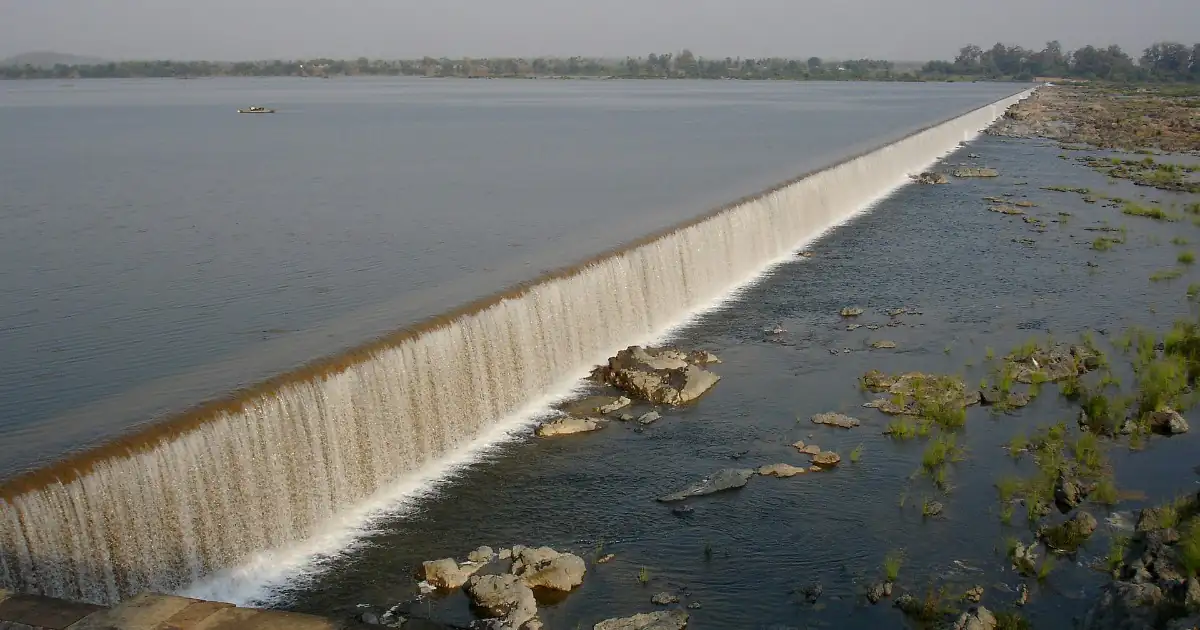
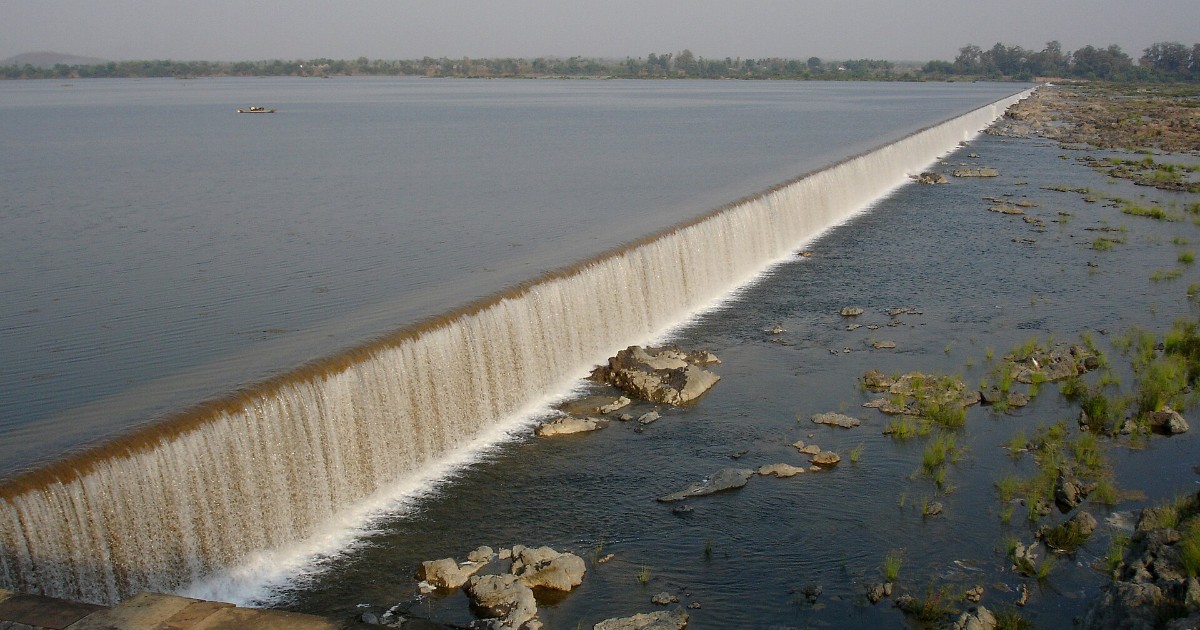
Telangana has asked the Prime Minister to help persuade Maharashtra to let the Tummidihatti barrage rise to 152 metres, four more than the States agreed. The height decides how much Maharashtra land goes under water. What the 2016 deal fixed, and the case on each side.
1. What did Telangana ask the Prime Minister about the Tummidihatti barrage?
Telangana wants a barrage on the Pranahita built four metres higher than it agreed with Maharashtra in 2016, and it has asked the Centre to help win Maharashtra over.
The request. At a meeting with Prime Minister Narendra Modi in New Delhi on 15 November 2026, Chief Minister A. Revanth Reddy urged him to persuade Maharashtra to agree to building the Tummidihatti project at 152 metres.
The offer. Telangana has said it is prepared to pay compensation for land in Maharashtra that the barrage would submerge. That position followed a recent meeting with Maharashtra Chief Minister Devendra Fadnavis.
2. What is the Tummidihatti barrage?
The river. Tummidihatti is a proposed barrage across the Pranahita, a tributary of the Godavari. The Pranahita is shared by Telangana and Maharashtra, so a structure on it affects land on both banks.
The project. The barrage belongs to the Dr B.R. Ambedkar Pranahita-Chevella Sujala Sravanthi scheme, launched in 2008-09.
The benefit claimed. Telangana says the barrage would deliver water by gravity flow, meaning water that runs downhill through canals without being pumped. It would serve irrigation and drinking water needs in backward and tribal regions.
3. Why does the height of the barrage matter?
Height decides submergence. A barrage holds water up to its full reservoir level (FRL), the highest level the reservoir is designed to store. The higher the FRL, the more land upstream goes under water.
Upstream is Maharashtra. Because the river is shared, a higher FRL at Tummidihatti means more submerged land on the Maharashtra side. That is why Telangana cannot raise the height on its own.
Why four metres is a lot. The gap between 148 and 152 metres looks small. On a broad river valley, though, each extra metre of water spreads sideways over a much wider area, so submergence grows far faster than the height.
Mapping the cost. Telangana has obtained a submergence report from IIT Kharagpur, a study of how much land each height would flood, to support its case.
4. What did the two States agree in 2016?
The agreement. Telangana and Maharashtra signed an inter-State agreement in Mumbai on 23 August 2016 fixing the Tummidihatti FRL at 148 metres.
What changed. Telangana had proposed 152 metres. The height was reduced to 148 metres on Maharashtra's insistence, because a lower level floods less of its land.
The present demand. Telangana now wants to go back to the original 152 metres, which means reopening a signed agreement. That needs Maharashtra's consent, not just the Centre's support.
Proposed barrage: Tummidihatti, on the Pranahita (Godavari tributary)
States sharing the river: Telangana and Maharashtra
Parent scheme: Dr B.R. Ambedkar Pranahita-Chevella Sujala Sravanthi, launched 2008-09
Inter-State agreement: Mumbai, 23 August 2016
FRL agreed in 2016: 148 metres
FRL originally proposed, and sought now: 152 metres
Submergence study: IIT Kharagpur
Request to the Prime Minister: 15 November 2026
Constitutional provision on river disputes: Article 262
5. What is the constitutional basis for inter-State river questions?
Article 262. The Constitution lets Parliament provide by law for adjudicating disputes over the use, distribution or control of the waters of inter-State rivers and river valleys. Parliament may also exclude the jurisdiction of the Supreme Court and other courts over such disputes.
The law under it. The Inter-State River Water Disputes Act, 1956 is the law Parliament made under Article 262, providing for tribunals to decide such disputes.
Where Tummidihatti sits. No tribunal is involved here. The height was settled by agreement between the two States, and any change will also have to come by agreement.
6. What are the two sides?
Telangana's case
The extra height would bring gravity-fed water to backward and tribal regions that need it. Telangana is offering to pay for the land submerged across the border, and has a technical study to show what that land is.
Maharashtra's concern
Maharashtra already negotiated the height down in 2016 to protect its land. Agreeing to 152 metres means accepting more submergence on its side for a project whose benefits flow to Telangana.
What the Centre can and cannot do
The Prime Minister can persuade, but he cannot sign for Maharashtra.
Compensation can pay for submerged land; it cannot by itself make a State give up territory it once chose to protect. The barrage's height will finally be settled by Maharashtra's consent, not by a meeting in New Delhi.