Who must clear stray cattle from highways? Why does NHAI say it cannot?
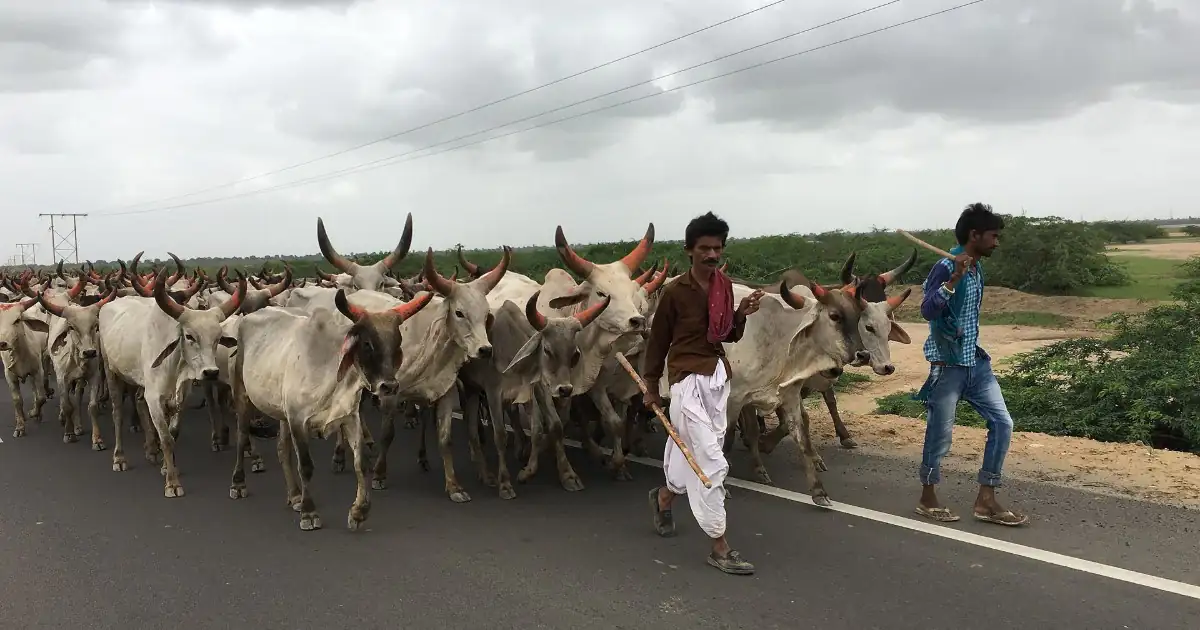
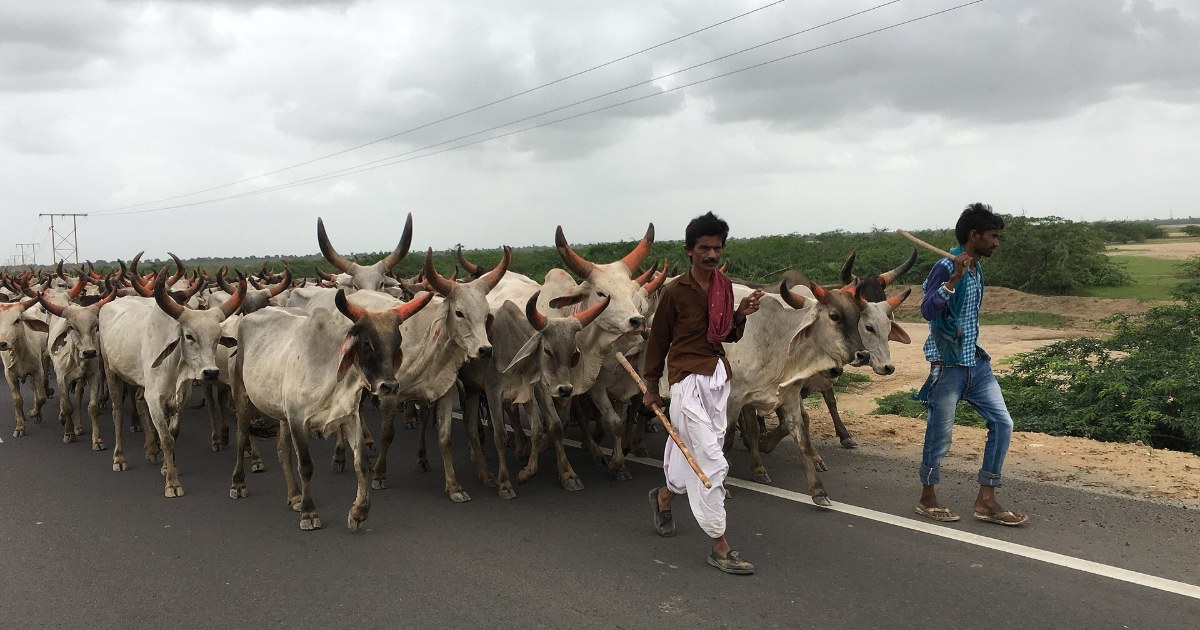
NHAI has told the Supreme Court it lacks the statutory authority and the money, over Rs 5,000 crore, to remove stray cattle from highways. We explain the 2025 order, the NHAI Act, 1988, the Bench's response and the shelter gap. Read on!
1. What did NHAI tell the Supreme Court about stray cattle on highways?
On 17 November, the National Highways Authority of India (NHAI) told the Supreme Court it lacks both the statutory authority and the financial resources to remove stray cattle and other animals from highways and rehabilitate them in shelters.
Solicitor-General Tushar Mehta appeared for NHAI before a Bench of Justices Vikram Nath, Sandeep Mehta and N.V. Anjaria. He said responsibility for removing stray animals from national and State highways rests with State governments and local authorities.
Complying with the court's November 2025 directions, he said, would cost over Rs 5,000 crore, a sum NHAI could not bear. NHAI has asked the court to modify that order.
2. What did the Court order in November 2025?
The directions came on 7 November 2025 in a suo motu case titled In Re: City Hounded by Strays, Kids Pay Price. Suo motu means the court took up the matter on its own, without waiting for a petition.
The case covers two problems: stray dogs in institutions and stray cattle on highways. On highways, the court directed that stray animals be relocated to shelters or cattle pounds, and ordered States, Union Territories and NHAI to enforce this strictly.
The order named NHAI alongside States and Union Territories as an enforcing authority. That is the part NHAI now wants modified, since it argues the duty belongs to other levels of government.
3. What does the NHAI Act, 1988 allow the Authority to do?
NHAI's argument rests on its parent law. A statutory body can act only within the powers its Act gives it, so the precise wording of the NHAI Act matters to the outcome.
Law: National Highways Authority of India Act, 1988 (Act No. 68 of 1988), dated 16 December 1988
Status: a body corporate with perpetual succession
Core function, s.16(1): "to develop, maintain and manage the national highways"
Specific function, s.16(2)(a): to survey, develop, maintain and manage highways vested in or entrusted to it
Vesting, s.11: the Central Government may, by notification, vest highways in or entrust them to the Authority
Cost of compliance, as NHAI estimates it: over Rs 5,000 crore
None of these provisions mentions animals or shelters. That silence is the core of NHAI's case, and the Bench's answer is that public safety does not wait on an express clause.
4. How did the Bench respond?
Justice Sandeep Mehta questioned how NHAI uses its toll revenue. He said that even if the NHAI Act does not expressly authorise such spending, the directions were issued in the interest of public safety.
Justice Vikram Nath suggested a practical model: shelters near toll plazas, one in every district. The idea would place shelters along the highway network itself, where the animals are found.
Senior advocate Gaurav Agrawal, the amicus curiae, or friend of the court, flagged a gap on the ground. Several States, he said, had merely designated existing veterinary institutions as animal birth control shelters, without separate facilities or extra staff.
5. Who must clear stray cattle from highways?
NHAI's argument
NHAI says its statutory function is to develop, maintain and manage highways, and that removing animals is the job of States and local bodies. It also says it cannot bear a bill of over Rs 5,000 crore.
The public-safety view
The Bench's reply is that the directions rest on public safety, not on the NHAI Act alone. The question about toll revenue suggests the Bench sees highway income as part of the answer.
Cattle on a carriageway are a hazard on a road NHAI is legally bound to maintain and manage. On this view, the line between road management and animal control is not as clean as NHAI's argument suggests.
The capacity gap
Both sides assume shelters exist to take the animals. The amicus's account suggests that in several States they exist mainly on paper, as relabelled veterinary institutions.
6. What remains unresolved?
The hearing exposes a familiar administrative problem: a hazard that sits between agencies. NHAI controls the road, States and local bodies handle animals, and the cattle stand on the boundary between the two.
A court order can assign responsibility, but it cannot by itself create shelters, staff or budgets. Until someone funds that capacity, a direction to relocate animals will stay hard to enforce on the ground.