What is the East Asia Summit? What did India offer ASEAN at the Manila summits?
At the ASEAN-India Summit in Manila, India offered free e-visas to ASEAN tourists, and at the East Asia Summit it proposed a seafarers' safety initiative. We explain the ASEAN Charter, the EAS and why these meetings matter. Read on!
1. What did India offer ASEAN at the Manila summits?
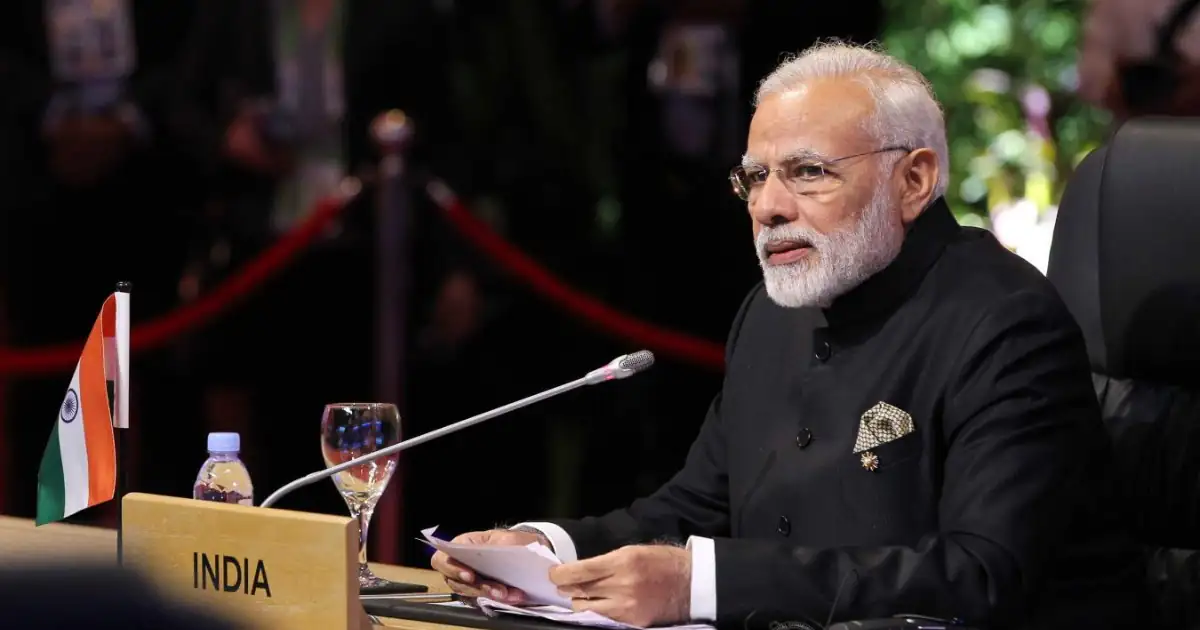
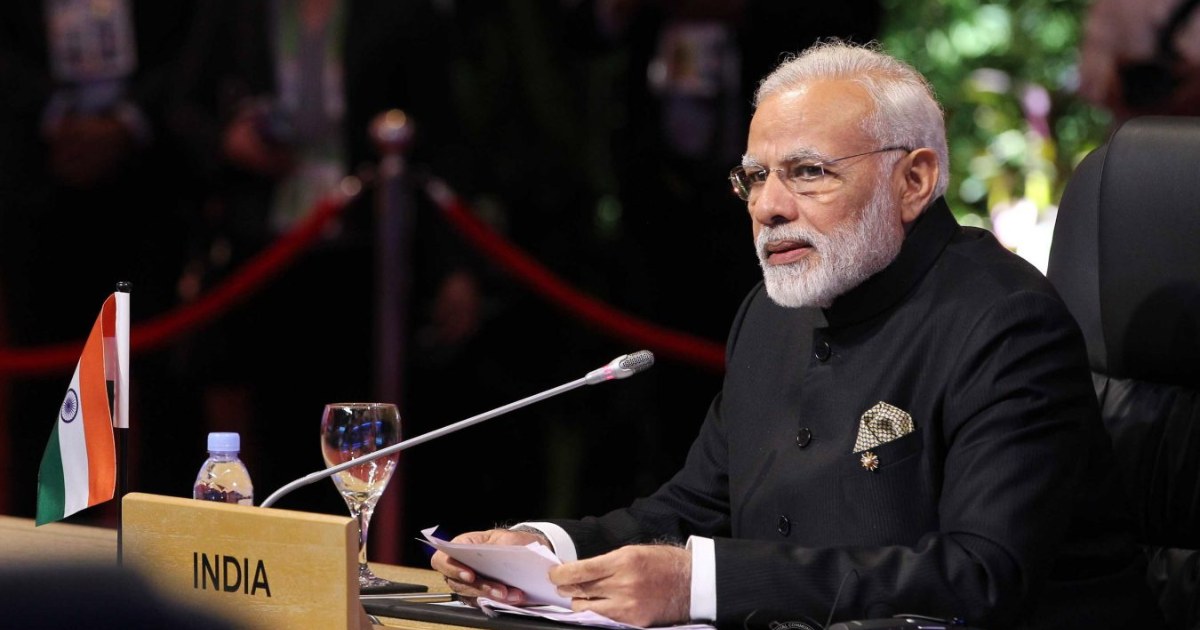
Prime Minister Narendra Modi attended the ASEAN-India Summit and the East Asia Summit (EAS) in Manila, held during the 49th ASEAN Summit round. At the first, he announced that India would give e-visas free of charge to ASEAN tourists.
At the East Asia Summit, he proposed a seafarers' safety initiative. He also said India and ASEAN together represent nearly one-fourth of the world's population, and that their future should be shaped "not by competition, but by cooperation".
2. What is ASEAN, and what does its Charter say about the Summit?
The Association of Southeast Asian Nations (ASEAN) is the regional grouping of Southeast Asian states. Its rulebook is the ASEAN Charter, which sets out how the grouping is organised and who takes its decisions.
Charter signed: Singapore, 20 November 2007
Entry into force, Article 47(4): 30 days after the tenth ratification is deposited
Admission of members: criteria set out in Article 6(2)
Composition of the Summit, Article 7(1): Heads of State or Government
Status, Article 7(2)(a): "the supreme policy-making body of ASEAN"
Frequency, Article 7(3)(a): held twice annually
First amendment: the Cebu Protocol, the first change to the Charter since 2007
Membership: the updated Charter reflects Timor-Leste as the 11th Member State
The ASEAN-India Summit and the EAS met alongside this round of ASEAN's own Summit. That is why India's most important regional meetings follow ASEAN's calendar, not India's.
3. What is the East Asia Summit?
The East Asia Summit is a leaders' forum on strategic issues. It brings the ASEAN countries together with India, China, Russia, the United States, Japan and South Korea.
The difference from the ASEAN-India Summit is the company in the room. The ASEAN-India Summit is a meeting between India and the bloc, while the EAS seats India alongside the major powers with stakes in the region.
That makes the two meetings useful for different purposes. Offers to ASEAN, such as visas, suit the first; proposals that need the big powers on board, such as maritime safety, suit the second.
4. Why did India propose a seafarers' safety initiative?
The proposal comes against a grim background. At least 23 Indians, mainly seafarers, have been killed in the war that began with U.S.-Israel attacks on Iran and the blockade of the Strait of Hormuz more than nine months ago.
For India, the safety of seafarers is therefore not an abstract maritime question. Raising it at the EAS puts it before the countries whose navies and shipping interests shape the region's sea lanes.
5. Who was missing from the table?
Myanmar's junta leader, President Min Aung Laing, was not invited. The country was represented by an official instead.
The arrangement keeps Myanmar inside the grouping's meetings while withholding a leaders'-level seat from its military leadership. It reflects how ASEAN signals disapproval without expelling a member.
6. Why do these summits matter for India?
The case for close engagement
Mr. Modi had skipped the ASEAN summits in Malaysia last year, which made his presence in Manila more significant. Free e-visas are a low-cost, visible offer that encourages tourism and people-to-people ties.
The EAS gives India a platform alongside China, Russia, the U.S., Japan and South Korea on regional strategy. A maritime safety proposal fits India's direct stake, given the seafarers it has lost.
The limits
Summit announcements are only a first step. A safety initiative for seafarers needs cooperation from states whose interests in the region differ sharply, and the EAS is a forum for dialogue among leaders.
Myanmar's absence at the leaders' level is also a reminder of ASEAN's unresolved internal divisions, which limit how far the grouping can speak with one voice.
The cooperation-not-competition message also has to work in a room that includes both the United States and China, whose rivalry shapes much of the region's agenda.
7. What remains unresolved?
The e-visa offer is a step India can deliver on its own. The seafarers' initiative is different: it depends on what other EAS members agree to, and on whether a leaders' forum can turn a proposal into real protection at sea.
For aspirants, the useful distinction is institutional. The ASEAN Summit is ASEAN's supreme policy-making body under its Charter, while the ASEAN-India Summit and the EAS are meetings built around it, each with a different membership.