Who is the VB-G RAM G Ombudsperson? How will rural job grievances be resolved?
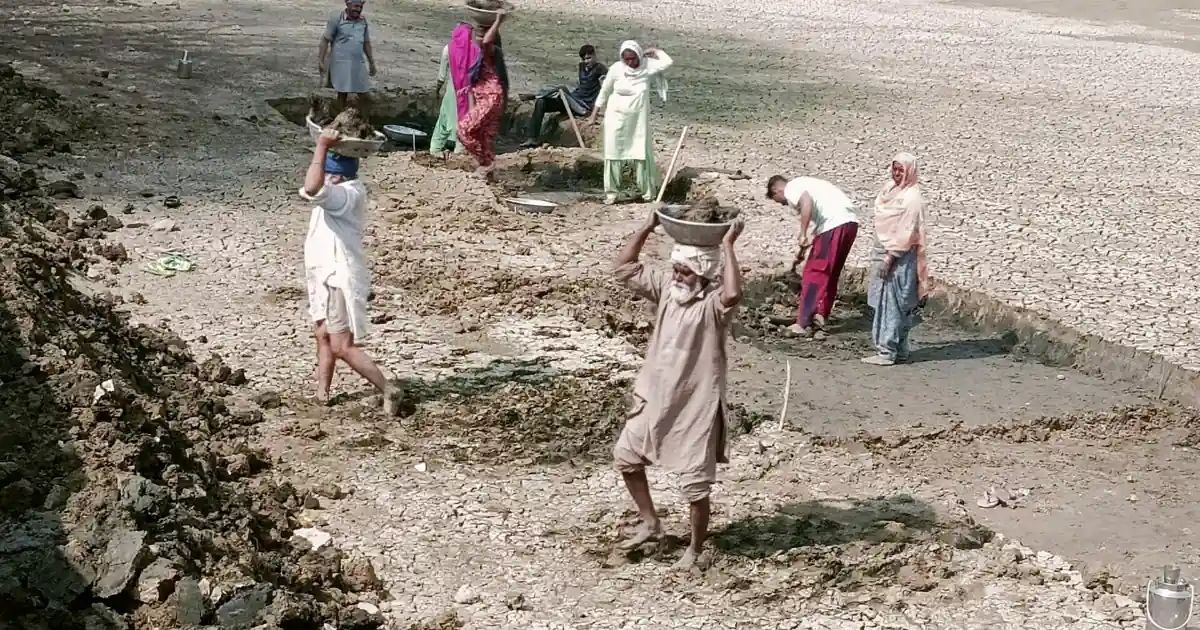
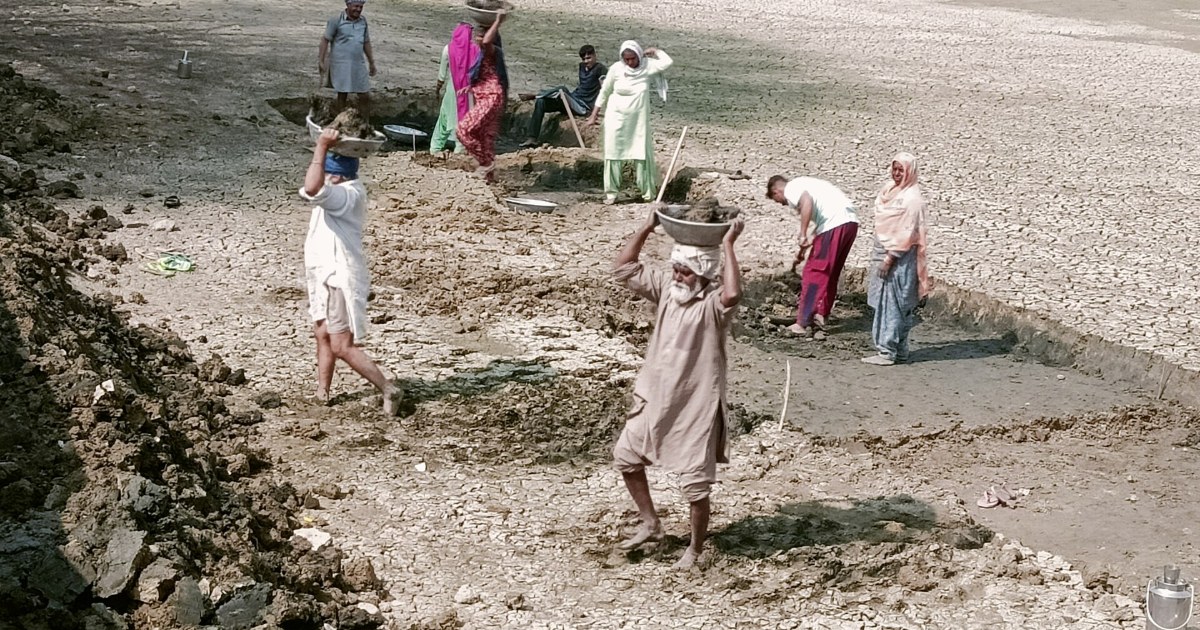
The Rural Development Ministry has issued guidelines for the Ombudsperson and appeals mechanism under the VB-G RAM G Act, 2025. We explain the 125-day guarantee, the Ombudsperson's role, the grievance timelines and social audit. Read on!
1. What guidelines did the Rural Development Ministry issue on 18 November?
On 18 November, the Union Ministry of Rural Development issued guidelines for the Ombudsperson and the Appellate Authority under the VB-G RAM G Act, 2025. The stated aim is to strengthen transparency, accountability and citizen participation.
The guidelines place a dedicated Ombudsperson at the district level to handle workers' complaints. They also tie the office closely to social audit, the community-led review of works and spending.
2. What is the VB-G RAM G Act, 2025?
VB-G RAM G stands for Viksit Bharat - Guarantee for Rozgar and Ajeevika Mission (Gramin). The Act, Act No. 36 of 2025, dated 20 December 2025, has replaced MGNREGA as the legal wage-employment guarantee for rural households.
Its long title sets out the core promise. Every rural household whose adult members volunteer for unskilled manual work is guaranteed 125 days of wage employment in every financial year.
A guarantee is only as strong as its complaint system. If a worker is denied a job card, work or wages, there must be a route through which that denial can be challenged and corrected.
3. Who is the VB-G RAM G Ombudsperson?
Schedule I, paragraph 29 of the Act says the State Government "shall appoint an Ombudsperson for each District to receive grievances, conduct enquiries and issue awards", following guidelines notified by the Centre and the States.
Under the new guidelines, the Ombudsperson hears grievances on job cards, employment, wage payments, delay compensation, worksite facilities, muster rolls (worksite attendance registers) and denial of statutory entitlements.
The role also covers discrimination, harassment and violations of workers' rights, including those of women and vulnerable groups. That widens the office from a payments desk into a forum for workers' rights.
4. How will rural job grievances be resolved?
The Act builds a time-bound, multi-tier system. Section 25(1) requires each State to set up grievance redressal at the Block and District levels, and Schedule I, paragraph 28 fixes the timelines.
Guarantee: 125 days of wage employment per rural household per financial year
Grievance enquiry: within 7 working days, para 28(c)
Grievance resolution: within 15 days, para 28(d)
Escalation: unresolved grievances move automatically to the next higher level, para 28(l)
Appeal chain, para 28(i)-(k): Gram Panchayat order to Programme Officer, then District Programme Coordinator, then State Grievance Redressal Authority
Appeal window: filed within 45 days, disposed of within 30 days
Grievance Redressal Rules, 2026: notified on 2 November 2026; complaints registered digitally on the day of receipt or the next working day
Note: The Act's text does not use the term "Appellate Authority". Its appeal route ends at the State Grievance Redressal Authority.
5. Where does social audit fit in?
Social audit means the people affected by a programme examine its works and accounts in public. Under Schedule I, paragraph 25(3)(a), all works, expenditure and guarantees face social audit at least once every six months.
Section 20 gives the Gram Sabha a monitoring role. The new guidelines require Ombudspersons to attend at least three social audit public hearings or Gram Sabhas each month, to hear concerns directly and follow them up.
6. What are the strengths and gaps of the new system?
What the design gets right
Strict timelines combined with automatic escalation mean a complaint cannot simply stall at one desk. Requiring the Ombudsperson at Gram Sabhas brings the grievance office to the village instead of making workers travel to it.
What the guidelines leave open
The guidelines as announced do not describe how Ombudspersons are appointed, what qualifications they need, or what powers the Appellate Authority holds. Since the State appoints the Ombudsperson, independence from the State machinery is a fair question.
The terminology question
The guidelines speak of an "Appellate Authority", while the Act names a State Grievance Redressal Authority at the top of the appeal chain. How the two fit together will matter to a worker deciding where to appeal.
7. What remains unresolved?
The Act now has a full architecture: a guarantee, timelines, an appeal ladder, an Ombudsperson and social audit. What a statute cannot supply on its own is administrative capacity.
Enquiries within seven working days and three hearings a month for every Ombudsperson need staff and travel in every district. Whether States fund that capacity will decide whether the 125-day guarantee holds in practice.