What did the court order in the NEET-UG leak case? What does the anti-leak law punish?
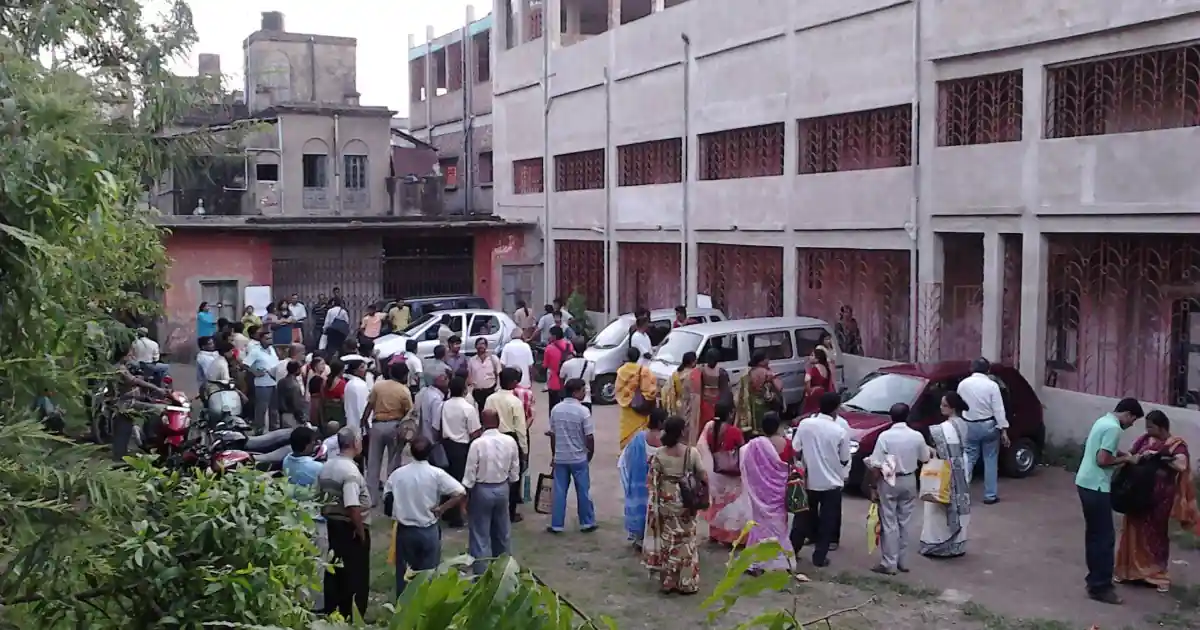
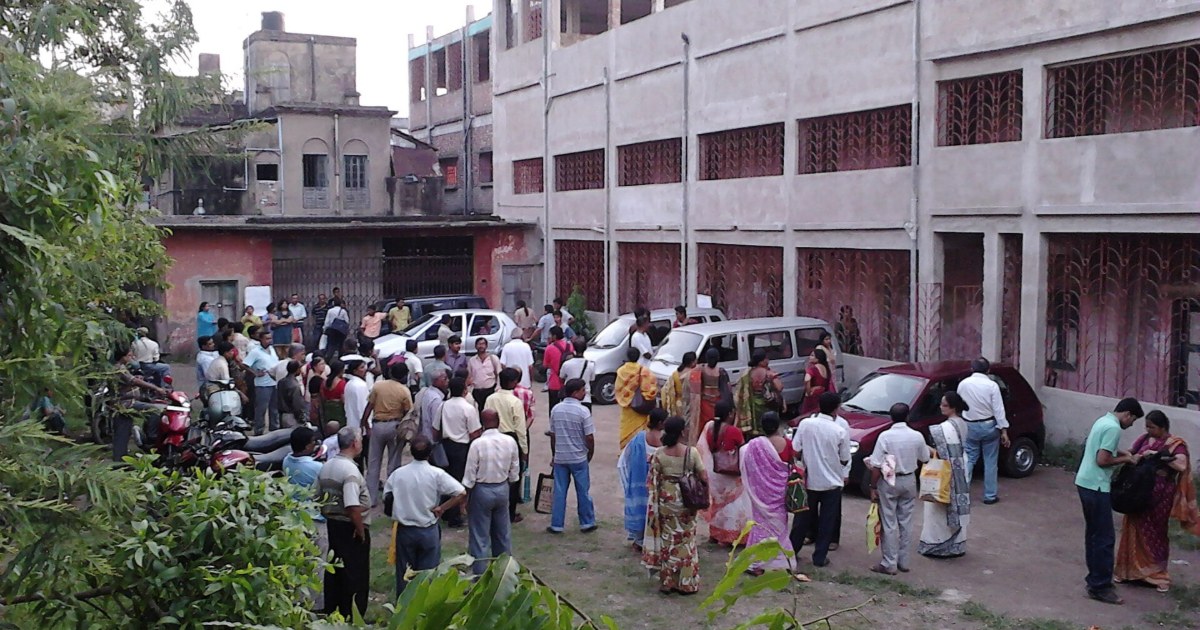
Fourteen accused in the NEET-UG 2026 paper leak will face trial under India's anti-paper-leak law, among other charges. The law punishes unfair means, the leaks, collusion and tampering done for gain, with jail terms and crore-rupee fines. Read the full explainer!
1. What did the court order in the NEET-UG 2026 paper leak case?
Fourteen people accused of leaking the NEET-UG 2026 paper will stand trial under India's new anti-paper-leak law, among other charges. The trial will test whether that law can deliver in court.
On 18 November, Special Judge Ajay Gupta of the Rouse Avenue Courts in Delhi ordered the framing of charges against 14 accused in the NEET-UG 2026 paper leak case.
The charges cover criminal conspiracy, cheating, offences under the Prevention of Corruption Act and offences under the Public Examinations (Prevention of Unfair Means) Act, 2024. The accused are to be produced in court on Saturday for the formal framing of charges.
A day-to-day trial, held on consecutive working days without long adjournments, is set to begin on 25 November.
2. How did the leak allegedly take place?
The case began with a complaint from the Department of Higher Education on 12 May. It alleged that the NEET-UG paper, held on 3 May, had leaked. The Central Bureau of Investigation (CBI) took over the probe.
The CBI has arrested 13 people, including three subject experts of the National Testing Agency (NTA) in chemistry, biology and physics. It alleges that these experts leaked the questions.
According to the CBI, intermediaries and persons linked to coaching institutes helped circulate the questions. The agency says it traced the money trail and froze bank accounts, lockers and a demat account.
The leak also triggered protests in July against question paper leaks in NEET-UG 2026.
3. What is the Public Examinations (Prevention of Unfair Means) Act, 2024?
It is a central law, Act 1 of 2024, dated 12 February 2024. Its purpose is to make cheating rackets in central public examinations a specific crime with stiff penalties, instead of leaving them to general cheating and conspiracy laws.
Section 2(1)(k) defines a "public examination" through a Schedule of bodies. These include the UPSC, the Staff Selection Commission, the Railway Recruitment Boards, IBPS, central ministries and departments, and the National Testing Agency.
Because the NTA conducts NEET-UG, a leak of that paper falls squarely within the Act.
4. What does the anti-leak law punish as unfair means?
Section 3 lists the acts that count as unfair means when done for monetary or wrongful gain. The list targets the organised supply chain of cheating, not a lone student copying in the hall.
It covers leaking a question paper or answer key, colluding in such a leak, tampering with OMR or answer sheets, and tampering with a computer network or system used for the exam.
It also covers creating a fake website and conducting a fake examination or issuing fake admit cards to cheat or for money.
5. What penalties does the Act prescribe?
Section 9 makes every offence under the Act cognizable, non-bailable and non-compoundable. Police can arrest without a warrant, bail is not a matter of right, and the parties cannot settle the case among themselves.
The punishment rises with the offender's role:
Act number and date: Act 1 of 2024, 12 February 2024
Any person using unfair means, s.10(1): 3 to 5 years and a fine up to Rs 10 lakh
Service provider, s.10(2): fine up to Rs 1 crore, cost of the exam recovered, barred for 4 years
Directors or senior management who consented or connived, s.10(3): 3 to 10 years and a fine of Rs 1 crore
Organised crime, s.11(1): 5 to 10 years and a fine of not less than Rs 1 crore
Institution involved in organised crime, s.11(2): property attached and forfeited
NEET-UG 2026 exam date: 3 May
Trial begins: 25 November
Note: The order as reported does not say which of these provisions apply to which accused. Read the penalty list as the Act's range, not as the charge against any one person.
6. What are the two sides of a strict anti-leak law?
The case for severity
A single leak can wipe out a year of preparation for lakhs of candidates. Cognizable, non-bailable offences and crore-rupee fines raise the cost for rackets that treat leaks as a business, and the organised crime clause reaches the people who fund them.
The case for caution
Harsh, non-bailable offences put great weight on the quality of investigation. A broad list of acts can catch peripheral players along with the organisers, and long pre-trial custody can become the punishment itself.
Where the law stops
The CBI's own allegation is that the leak came from experts inside the testing agency. A penal law punishes after the breach. It does not by itself secure how papers are set, stored and moved.
7. What happens next in the case?
The 14 accused will appear in court for formal framing of charges, after which the day-to-day trial opens on 25 November. The CBI's money trail and frozen accounts will be central to proving that the leak was for gain, as Section 3 requires.
A conviction would show that the 2024 offences hold up in court. But the deeper question this case raises is administrative, not penal: how a testing agency guards its paper against its own insiders.