Who can seek contempt action in the Supreme Court? Why must the Attorney General consent?
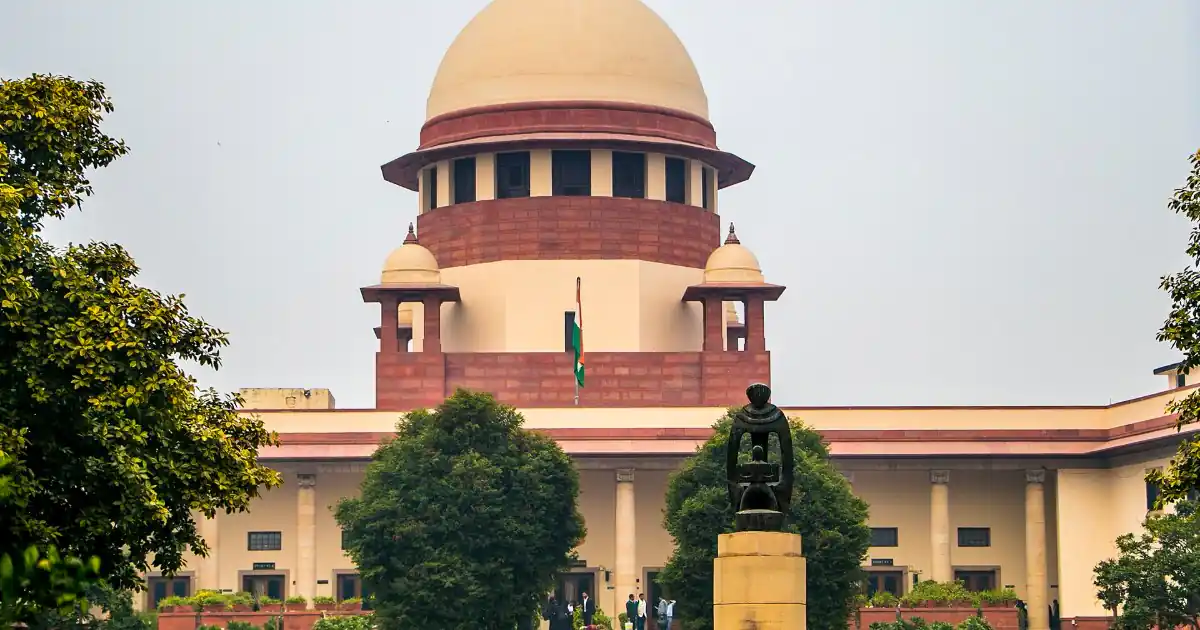
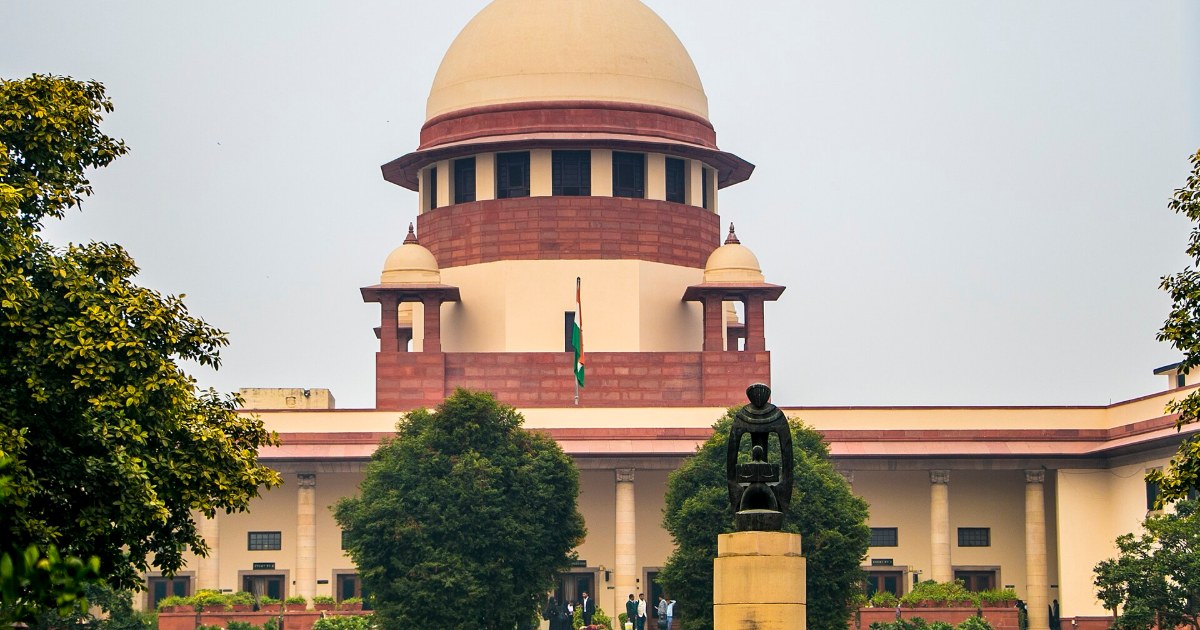
The Supreme Court has issued notice on a Bar Association plea for criminal contempt, the offence of scandalising a court or obstructing justice, against a lawyer. The plea carried the Attorney General's written consent, the law's filter on private contempt cases. Read on!
1. Why has the Supreme Court issued notice on the Bar Association's contempt plea?
A private body cannot simply file a criminal contempt case in the Supreme Court. It needs the Attorney General's written consent. The Supreme Court Bar Association (SCBA) had that consent, and the Court has acted on its plea.
On 18 November, a Bench of Justices Dipankar Datta, Joymalya Bagchi and V. Mohana issued notice on the SCBA's petition.
The SCBA sought criminal contempt proceedings against an advocate over disparaging remarks about the Chief Justice of India, made in open court on 16 November. The Bench observed that a prima facie case had been made out for proceeding against him.
The petition came with the written consent of the Attorney General for India, the Union Government's top law officer.
2. What is contempt of court?
Contempt law protects the authority of courts and the administration of justice. Article 129 of the Constitution makes the Supreme Court a court of record with the power to punish contempt of itself. Article 215 gives High Courts the same power.
The Contempt of Courts Act, 1971 (Act 70 of 1971) sets out the procedure and the punishment. It recognises two kinds of contempt.
Civil contempt is wilful disobedience of a court's judgment or order, or wilful breach of an undertaking given to a court.
Criminal contempt covers publications or acts that scandalise or lower the authority of a court, prejudice judicial proceedings, or obstruct the administration of justice. Section 5 adds that fair criticism of a judicial act is not contempt.
3. Who can seek contempt action in the Supreme Court?
Section 15(1) gives three routes. The Supreme Court or a High Court can act on its own motion. The Advocate-General can move a motion. Any other person can move a motion, but only with the written consent of the Advocate-General.
Note: In Section 15, "Advocate-General" is a defined term. For the Supreme Court it means the Attorney-General or the Solicitor-General, not a State's Advocate-General.
Section 15(3) adds that every such motion must specify the contempt alleged. A vague complaint of disrespect is not enough.
Section 15 does not apply to contempt committed in the face of the court. That is handled separately under Section 14.
4. Why must the Attorney General consent?
The consent rule works as a filter. Without it, anyone unhappy with a critic of the judiciary could file a contempt case, and courts would spend their time on personal and political quarrels.
By routing private motions through the country's top law officer, the Act ensures that someone with legal standing and no personal stake first checks whether the complaint is serious.
The consent does not decide the case. The Court still examines the material and decides for itself whether to issue notice, as it did here after finding a prima facie case.
5. What punishment can follow, and what are the key facts?
Section 12(1) caps the punishment. A contemnor may be discharged, or the punishment remitted, if he tenders an apology that satisfies the court.
Petitioner: Supreme Court Bar Association
Notice issued: 18 November 2026
Bench: Justices Dipankar Datta, Joymalya Bagchi and V. Mohana
Remarks made in open court: 16 November
Law: Contempt of Courts Act, 1971 (Act 70 of 1971)
Private motion for criminal contempt: s.15(1)(b), with written consent of the Advocate-General
"Advocate-General" for the Supreme Court: Attorney-General or Solicitor-General
Motion must specify the contempt: s.15(3)
Contempt in the face of the court: s.14, outside s.15
Punishment, s.12(1): simple imprisonment up to six months, fine up to Rs 2,000, or both
Apology: may lead to discharge or remission
6. What are the two sides of the contempt power?
The case for strong contempt powers
Courts have no army and no purse. Their orders work because people trust and obey them. Scandalous attacks on judges, especially from within the Bar, can erode that trust faster than any single wrong judgment.
The case for restraint
Contempt can chill legitimate criticism of judges and judgments, which a democracy needs. Fair comment on how courts work is not contempt, and an over-used power invites the charge that judges are protecting themselves.
The question the consent rule cannot answer
The Attorney General's consent screens who may bring a case. It cannot remove the oddity at the heart of every contempt case: the court whose dignity is in question is also the forum that decides it.
That is why restraint in using the power, and the apology route in Section 12, carry so much weight. The law gives the court a strong tool; how sparingly it is used decides whether the tool protects the court's authority or weakens it.