What does Andhra Pradesh's chip policy add to Semicon 2.0? What is planned near Tirupati?
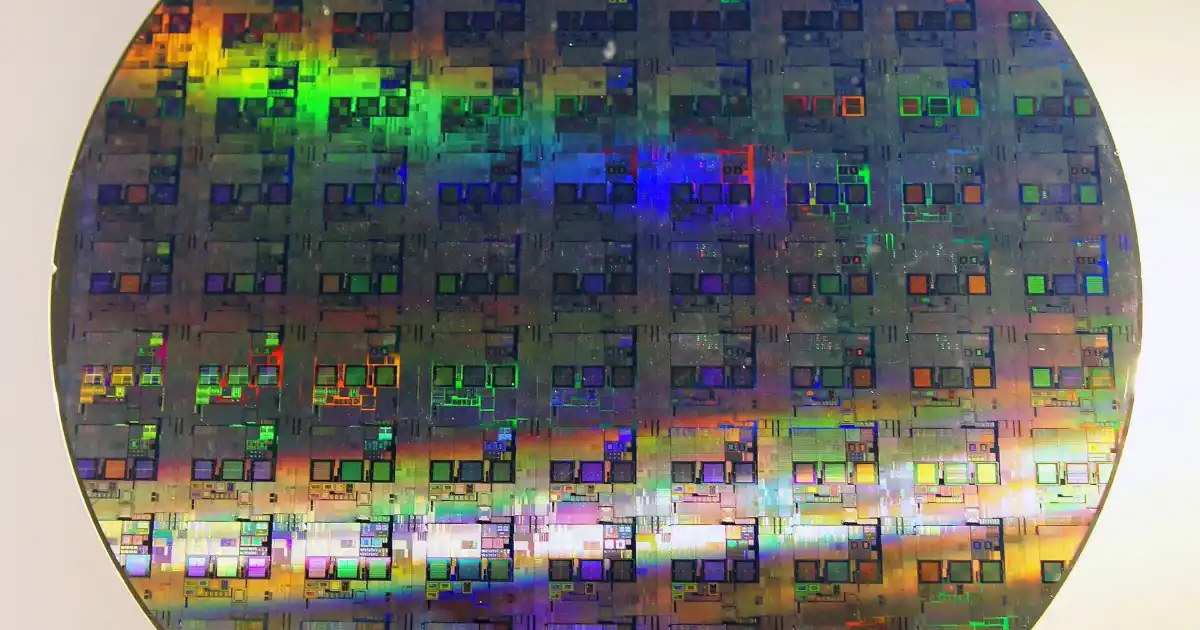
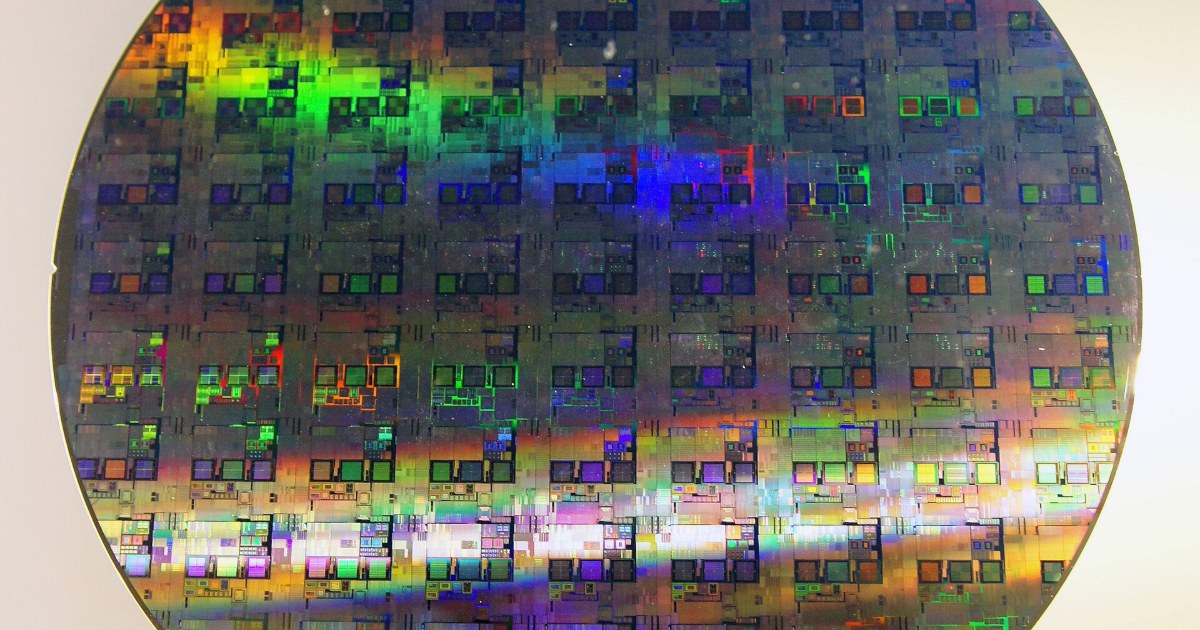
Andhra Pradesh plans a 5,000-acre semiconductor park near Tirupati and now matches the Centre's capital aid under Semicon 2.0, the second phase of the India Semiconductor Mission. A silicon fab can get 80% of its eligible cost covered. Read on!
1. What has Andhra Pradesh planned near Tirupati?
A chip fab in Andhra Pradesh can now have 80% of its eligible capital cost covered by the Centre and the State together. That offer is meant to fill a new chip park.
Andhra Pradesh plans a semiconductor park on 5,000 acres near Tirupati. The park is part of the State's push under its Semiconductor and Display Fab Policy 4.0.
The policy has been amended to align with the Centre's Semicon 2.0, the second phase of the India Semiconductor Mission. The amendment was issued through G.O.Ms.No.87, dated 16 November 2026.
Under the amended policy, the State matches 100% of the Centre's capital support for silicon fabs, display fabs and chip packaging projects.
2. What is Semicon 2.0?
The Union Cabinet approved Semicon 2.0 on 15 July 2026 with a total outlay of Rs 1,27,500 crore. It builds the chip industry on six pillars: design, machines and materials, fabs, packaging, research and development, and talent.
The scheme covers semiconductor design, equipment, materials, manufacturing, assembly and testing (ATMP/OSAT), R&D and talent. Fiscal support is given on a pari-passu basis, alongside the investor's own funding, for up to six years per project.
Applications stay open for three years from the issue of the guidelines.
3. Why does a chip fab need so much public support?
A semiconductor fab is one of the most capital-heavy factories in the world. It needs ultra-clean rooms, costly machines, steady power and huge volumes of pure water before it produces a single chip.
Countries compete hard for such plants, so investors expect governments to share the cost. Without large subsidies, a new location rarely wins a fab over established chip-making hubs.
That is the logic of stacking: the Centre gives a share of the capital cost, and the State adds its own on top.
4. What does Andhra Pradesh's chip policy add to Semicon 2.0?
For a silicon fab, the combined support is 80% of the eligible capital cost: 40% from the Government of India and 40% from Andhra Pradesh. For a Rs 1,000 crore investment, Rs 800 crore would come from the Centre and the State together.
The rates under the State's amended policy:
Park near Tirupati: 5,000 acres
Policy: AP Semiconductor and Display Fab Policy 4.0, amended by G.O.Ms.No.87 of 16 November 2026
Silicon fab: 80% of eligible capital cost (40% Centre, 40% State)
Compound semiconductor, photonics, sensor, discrete and display fabs: 70%
Advanced packaging units: 70%
Legacy packaging units: 50%
Deployment-linked incentive: 9% of net sales from the Centre, plus 4.5% from the State, for 13.5%
Cap on the State's incentive: Rs 45 crore per application and Rs 180 crore per company
Coverage: all 10 Semicon 2.0 categories under its six pillars
Validity: five years, or until a new policy replaces it
Semicon 2.0 outlay: Rs 1,27,500 crore, approved 15 July 2026
Note: The 70% rate applies to advanced packaging. Legacy packaging units get 50%, so a blanket "packaging at 70%" is only half right.
5. What is a deployment-linked incentive?
Capital support helps build a plant. A deployment-linked incentive (DLI) rewards what the plant actually sells. It is paid as a percentage of net sales, so a unit earns it only by producing and selling.
The Centre offers 9% of net sales. Andhra Pradesh adds 4.5%, taking the total to 13.5%, within its caps per application and per company.
The design links public money to output rather than to promises.
6. Where does the Tirupati park fit in the State's industrial plans?
The Centre has also approved a semiconductor manufacturing special economic zone (SEZ) on 12.14 hectares in Visakhapatnam district. It carries an investment of Rs 2,387.81 crore, a capacity of 96 million units a year and about 1,000 jobs.
The State plans 25 sector-specific industrial parks. AP Space City, on 4,918 acres near Tirupati, is a separate park from the 5,000-acre semiconductor park.
The Tirupati park adds a dedicated chip location to this wider map, separate from the Visakhapatnam SEZ.
7. What are the two sides of Andhra Pradesh's chip bet?
The case for matching the Centre
Investors compare locations on total support. By matching the Centre's capital aid and adding a sales incentive, the State makes itself as attractive as any rival. A large planned land bank near Tirupati can shorten a fab's path from approval to construction.
The case for caution
Matching 40% of a fab's capital cost is a large commitment for any State budget. If a project stalls, land and promised funds stay locked in. Other States can match the same offer, which turns incentives into a bidding contest.
What incentives cannot buy
Subsidies can lower the cost of a fab. They cannot by themselves create the skilled engineers, reliable utilities and supplier networks that keep one running. The talent pillar of Semicon 2.0 exists for that reason.
The park's real test will be whether that ecosystem grows around it, because 5,000 acres of land and an 80% subsidy are only the starting conditions for a fab, not its guarantee.