What is a state-specific disaster? Why has Andhra Pradesh added drowning and snakebite?
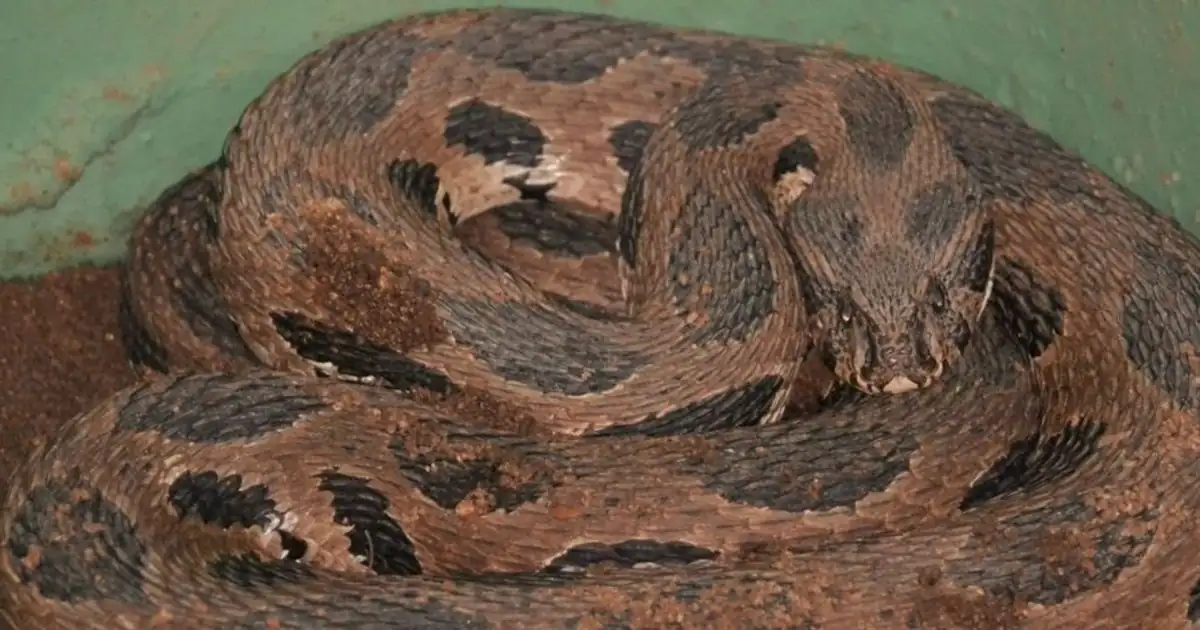
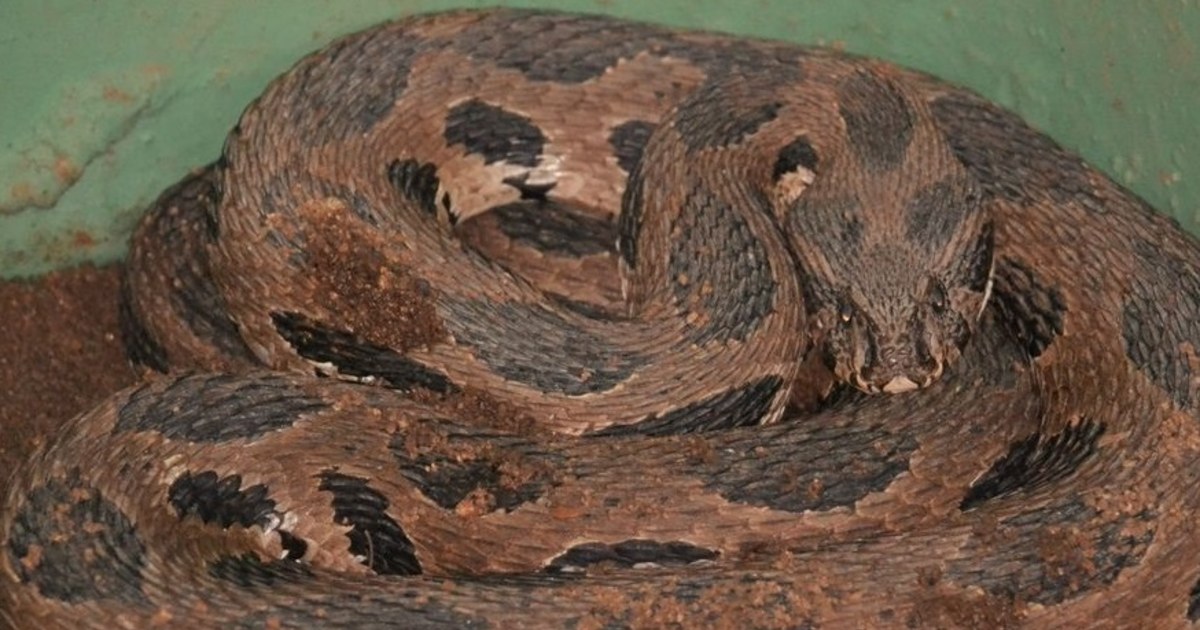
Andhra Pradesh has notified drowning and snakebite as disasters, so victims' families can get help from the State Disaster Response Fund. The route is a state-specific disaster, a local hazard outside the Centre's notified list of calamities. Read on!
1. Why has Andhra Pradesh notified drowning and snakebite as disasters?
A family that loses someone to drowning or snakebite in Andhra Pradesh can now receive disaster relief.
Andhra Pradesh has notified drowning and snakebite as disasters for the purpose of relief. Victims of these hazards can now receive financial assistance from the State Disaster Response Fund (SDRF).
Neither hazard looks like a disaster in the usual sense. There is no cyclone track or flood map. But each causes deaths in villages, fields and water bodies, and families often lose an earning member without warning.
By notifying them, the State brings such deaths within the same relief system that serves victims of larger calamities.
2. What does the law count as a disaster?
Section 2(d) of the Disaster Management Act, 2005 (Act 53 of 2005) defines a disaster as a catastrophe, mishap, calamity or grave occurrence in any area, arising from natural or man-made causes.
The definition is wide. It names no list of hazards, which is why the relief system relies on notified lists, and why a State can extend relief to local hazards.
The Act also creates the funds that pay for response and relief at each level.
3. What is the State Disaster Response Fund?
Section 48(1) of the Act requires every State to set up a State Disaster Response Fund. The same section also provides for a State Disaster Mitigation Fund and for district-level funds.
The SDRF is the first line of money for immediate relief after a disaster in the State. The National Disaster Response Fund, set up under Section 46, sits above it at the national level.
Relief from the SDRF is normally tied to a list of notified disasters, such as cyclones, floods and droughts. Hazards outside that list need a separate route.
4. What is a state-specific disaster?
The Ministry of Home Affairs (MHA) guidelines on the SDRF provide that route. A State may use up to 10% of its annual SDRF allocation for immediate relief to victims of disasters that occur within its local context but are not in the notified list.
These are called state-specific disasters. The State decides which local hazards qualify, within the 10% cap.
Note: The 10% rule was stated by the MHA in a Lok Sabha answer of 12 February 2019. Later Finance Commission guidelines may have refined the details, so treat "up to 10%" as the ceiling, not a fixed share.
The key facts:
Hazards notified by Andhra Pradesh: drowning and snakebite
Relief paid from: State Disaster Response Fund (SDRF)
Law: Disaster Management Act, 2005 (Act 53 of 2005)
Definition of disaster: Section 2(d)
SDRF: Section 48(1), with the State Disaster Mitigation Fund and district funds
National Disaster Response Fund: Section 46
Window for state-specific disasters: up to 10% of the annual SDRF allocation
Source of the 10% rule: MHA guidelines, as stated in Lok Sabha Unstarred Question No. 1438, 12 February 2019
5. Why do drowning and snakebite fit this route?
Both are hazards of everyday rural life, in fields and near canals, rivers and ponds. They strike individuals, not whole districts, so they rarely make news as disasters.
Yet the impact on a household is the same as any calamity: sudden death or injury and loss of income. The state-specific route lets the State answer that need without waiting for the Centre to change its national list.
It also reflects the logic of decentralised disaster management. The hazards that matter most differ from State to State, and the 10% window gives each State room to act on its own.
6. What are the two sides of widening the disaster list?
The case for notifying local hazards
A narrow list leaves out the deaths that families in the State face most often. Notification gives victims a clear claim to relief, and it pushes the administration to record and respond to these hazards.
The case for caution
The 10% window is a cap on money, not just a permission. Every local hazard the State adds draws on the same limited share of the SDRF, which must also cover other local needs.
What notification cannot do
Relief after a death is compensation, not prevention. Many drowning and snakebite deaths can be prevented through fencing and supervision at water bodies, awareness and timely access to anti-venom.
7. What should follow the notification?
Notification gives the State a reason to count these deaths carefully, since every relief claim creates a record. Better data on where and when they happen could guide fencing of ponds, awareness drives and stocking of anti-venom at health centres.
That is where the policy's real value lies. A relief payment helps a family after a loss; a notified disaster also makes the State answerable for reducing the next one.