What did the ICJ rule on Myanmar and the Rohingya? Why can the Court not enforce it?
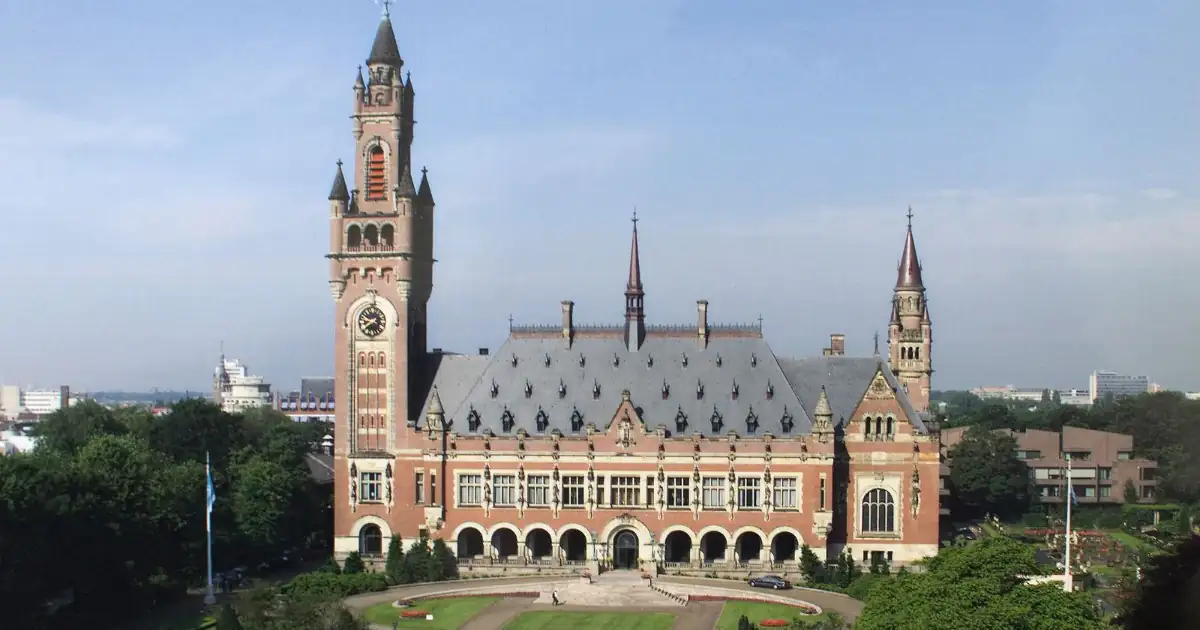
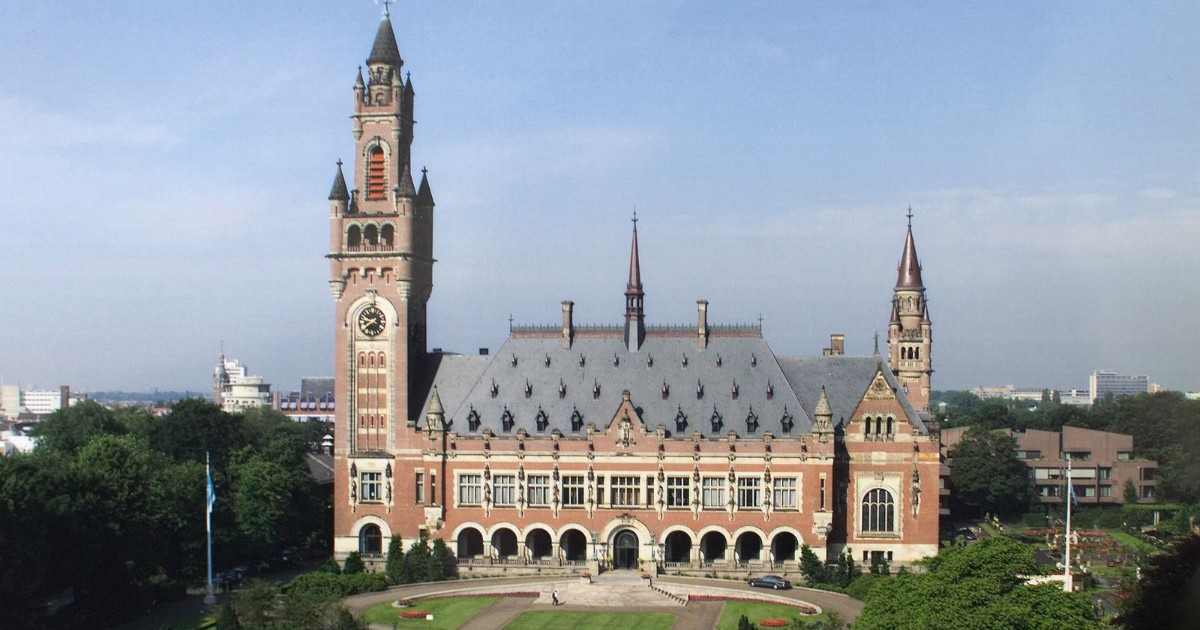
The International Court of Justice has ruled 9-6 that Myanmar committed genocide against the Rohingya, the first time it has found a state guilty of the crime. Here is what genocide means in law, how the case reached The Hague, what Myanmar must now do, and why the Court cannot force it to comply.
1. What did the ICJ decide in The Gambia v Myanmar?
A state has been found guilty of genocide for the first time. On 19 November 2026, the International Court of Justice ruled that Myanmar committed genocide against the Rohingya in northern Rakhine State, in violation of its duties under the Genocide Convention.
The vote was close. The 15-judge panel split 9-6. Court President Yuji Iwasawa read out the judgment, which rejected Myanmar's claim that its 2017 military operation was a legitimate counter-insurgency.
The scale is large. Evidence before the Court showed that Myanmar's forces killed about 10,000 Rohingya. About 1.2 million Rohingya refugees now live in camps in Cox's Bazar, Bangladesh.
2. What counts as genocide in international law?
Genocide is defined by intent, not by numbers. Article II of the Genocide Convention, 1948, lists five acts that become genocide when they are committed with intent to destroy, in whole or in part, a national, ethnical, racial or religious group, as such:
Killing members of the group
Causing serious bodily or mental harm to members of the group
Inflicting conditions of life calculated to destroy the group physically
Imposing measures intended to prevent births within the group
Forcibly transferring children of the group to another group
Intent is the hardest part to prove. Mass killing alone is not enough. A court must be satisfied that the acts were aimed at destroying the group itself, which is why so few genocide cases succeed.
3. How did a case about Myanmar reach the Court?
Any party to the Convention can sue another. Article IX gives the ICJ jurisdiction over disputes between states about responsibility for genocide. The Gambia, backed by the Organisation of Islamic Cooperation, used it, even though it was not directly affected.
The case took seven years. The record shows how long a state-to-state case runs:
Application filed: 11 November 2019
Provisional measures order: 23 January 2020
Preliminary objections rejected: 22 July 2022, confirming jurisdiction under Article IX
Hearings on the merits: 12 to 29 January 2026
States that intervened: 11, including Canada, the UK, France, Germany and the Maldives
Judgment: 19 November 2026, by 9 votes to 6
4. What did the Court find, and what must Myanmar do?
The findings describe a campaign, not stray excesses. In August 2017, after an attack by a Rohingya insurgent group, the military launched a "clearance campaign". The Court found that security forces killed thousands of civilians, committed widespread sexual violence and attacked Rohingya who were fleeing.
The orders look forward as well as back. Myanmar must allow a safe, voluntary and dignified return of the Rohingya. It must investigate, prosecute and punish genocidal acts, commit to reparations and pay compensation.
The bill comes later. The amount of compensation will be decided in separate proceedings.
Note: the ICJ judges states, not individuals. A finding that Myanmar committed genocide is a ruling on state responsibility. It does not convict any general or politician, which is the job of criminal courts.
5. Why can the Court not enforce its verdict?
ICJ rulings are final and binding, but the Court has no police. If a state refuses to comply, the only route is to report the non-compliance to the UN Security Council, where any permanent member can block action with a veto.
So the pressure is political. UN Secretary-General Antonio Guterres called the ruling a demonstration of international justice. The UK said it was expelling Myanmar's defence attache. Myanmar's opposition umbrella body said the judgment must be enforced.
6. What are the two sides?
Myanmar's argument
Myanmar told the Court that the 2017 operation was a response to an insurgent attack and a lawful counter-insurgency. On that reading, the violence, however severe, was aimed at fighters and lacked the intent to destroy a people.
The argument for the ruling
The Gambia argued that intent can be inferred from a pattern of conduct, under the test the Court used in Croatia v Serbia (2015): the inference must be the only reasonable one. Killings, sexual violence and attacks on fleeing civilians formed such a pattern.
What a split bench signals
Six judges disagreed. Even with this much evidence, the Court's standard for proving genocidal intent remains demanding, and future applicants will read the dissents closely.
7. What does the ruling mean beyond Myanmar?
The Court has more genocide cases on its desk. It is also handling allegations linked to the Gaza conflict and the war in Ukraine. Lawyers in those cases will study how this bench treated intent and evidence.
For India's neighbourhood, the stakes are practical. The ruling adds legal weight to the demand for the Rohingya's return, but it cannot create the conditions for it.
A verdict is not a homecoming. The judgment settles who was responsible. Whether 1.2 million refugees can go home safely depends on Myanmar's rulers, and no court can order that into being.