What does Section 41 of the land law require? Why did the SC quash Odisha's acquisition?
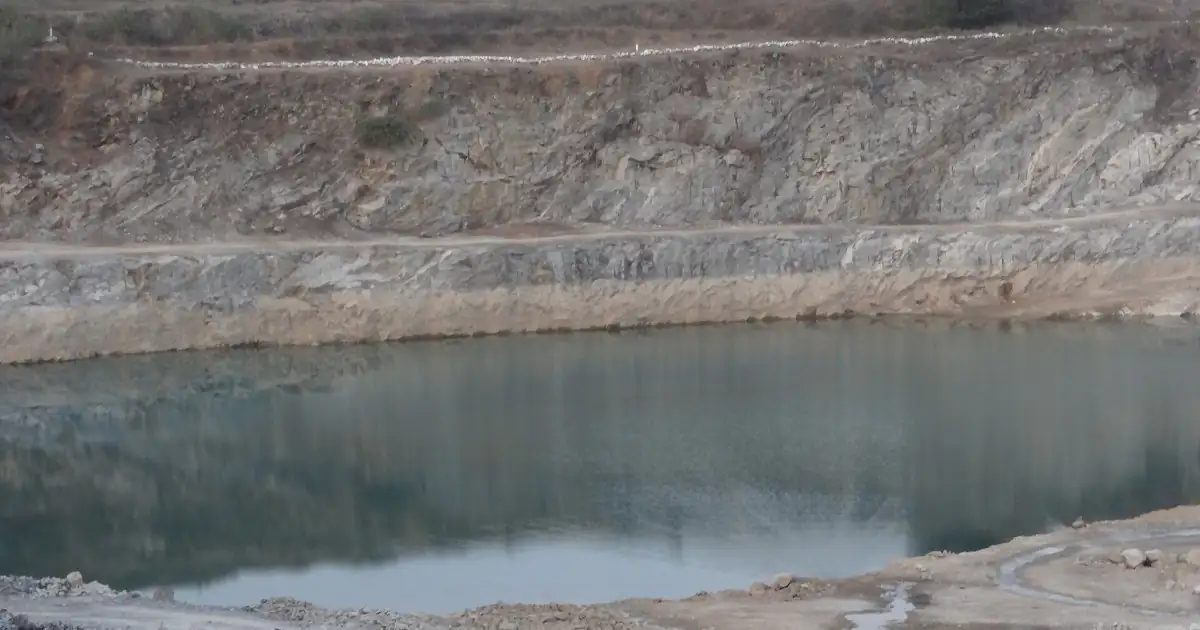
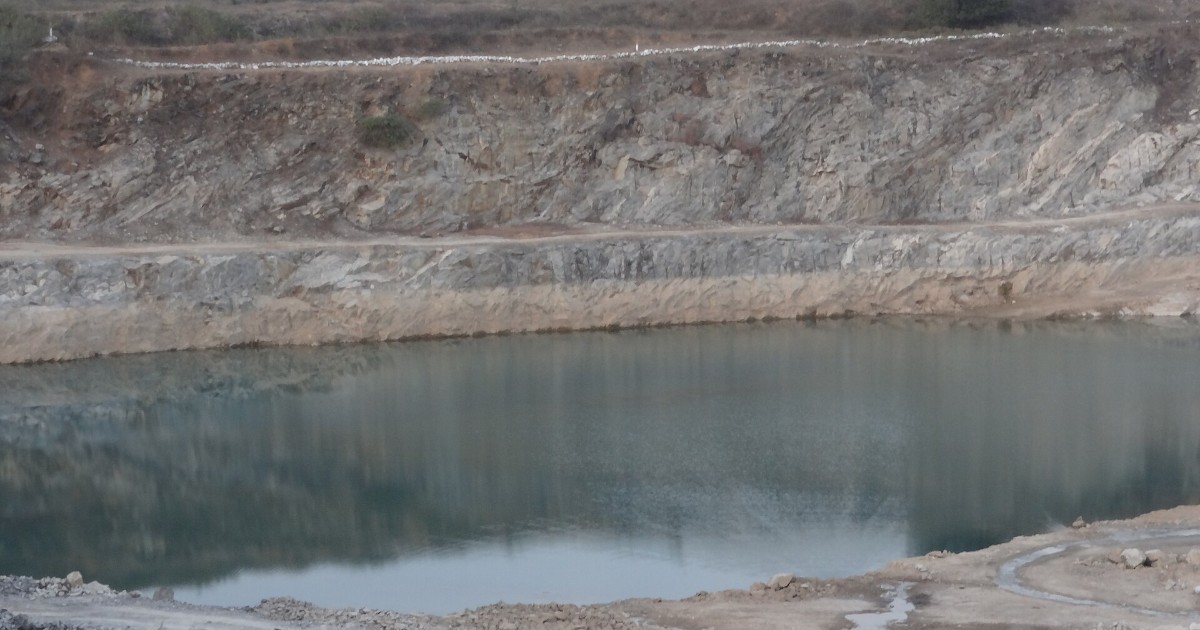
The Supreme Court has struck down Odisha's acquisition of tribal land in Sundargarh for a limestone mine, because the Gram Sabha, the assembly of a village's voters, never gave its prior consent. Here is what Section 41 of the 2013 land law requires, why the High Court got it wrong and what changes now.
1. Why did the Supreme Court set aside the Sundargarh acquisition?
A missing consent has undone a mining project's land deal. The Supreme Court has struck down Odisha's acquisition of land for a limestone mine in Sundargarh district.
The reason is one requirement. Land in a Scheduled Area cannot be acquired without the prior consent of the Gram Sabha, and here that consent was never obtained.
The order is sweeping. A Bench of Justices Dipankar Datta and Satish Chandra Sharma called the acquisition "unsustainable" and set aside the acquisition itself along with every notification and order issued under it.
The project was large. The land was for mining by Dalmia Cements Bharat Limited, which holds a mining lease over 893.55 hectares, extended until February 2040.
The company wanted the surface. It sought 273.57 hectares across three villages for surface rights, the right to use the land above the mineral.
2. What is a Scheduled Area, and why does it get extra protection?
Scheduled Areas are tribal regions under special constitutional care. They are areas notified under the Fifth Schedule of the Constitution, where a large share of the population is tribal and where land is often the community's only economic base.
Land law treats them differently for that reason. Losing land in such an area usually means losing a livelihood and a way of life together.
Parliament wrote that concern into the 2013 law. Its protections for these areas are stricter than those for land anywhere else.
3. What does Section 41 of the 2013 Act require?
Section 41 sets up three locks, one behind the other. It sits in Chapter V of the Right to Fair Compensation and Transparency in Land Acquisition, Rehabilitation and Resettlement Act, 2013, titled "Special provisions for Scheduled Castes and Scheduled Tribes".
Section 41(1): as far as possible, no land is to be acquired in Scheduled Areas
Section 41(2): where acquisition is unavoidable, it must be a demonstrable last resort
Section 41(3): the prior consent of the Gram Sabha is required, or of the Panchayat or autonomous District Council where no Gram Sabha exists
The Act: Act 30 of 2013, which replaced the colonial Land Acquisition Act, 1894
The case: Bibol Toppo v State of Odisha and others, Supreme Court, Justices Dipankar Datta and Satish Chandra Sharma
The Court also spoke of families. As reported, it observed that the acquisition needed the prior consent of at least 80% of affected families.
That consent travels with a study. It is to be obtained along with the social impact assessment, a study of how a project will affect the people around it.
Note: two consents are in play here and should not be confused. Gram Sabha consent under Section 41(3) is the consent of the village assembly. The 80% figure, as the Court described it, concerns the families affected by the acquisition.
4. Where did the High Court go wrong?
The Orissa High Court had read the consent rule narrowly. It held that prior consent did not apply because this was an acquisition by the State, not by a private party.
The Supreme Court disagreed. Read plainly, the protection in Section 41 attaches to the land and the people on it, not to the identity of the acquirer. A mine for a private company does not stop needing consent because the government signs the papers.
5. What are the two sides?
The case for acquisition
Minerals lie where they lie, often under forested tribal land.
States argue that mining brings investment, royalties and jobs to backward districts, and that a veto by one village can hold up a project that serves a whole region.
The case for consent
Section 41 was written because acquisition in tribal areas had too often meant displacement without a say.
Requiring the Gram Sabha's prior consent turns the community from a bystander into a party, and the last-resort test forces the State to look for alternatives first.
What consent cannot settle by itself
A consent requirement is only as strong as the process behind it. Questions about how a Gram Sabha meeting is called, who attends and whether its consent was free will decide future disputes as much as the text of Section 41 does.
6. What does the ruling change?
The ruling closes one route around the law. States can no longer argue that acquiring land themselves takes them outside the consent requirement in Scheduled Areas.
It does not end mining in tribal districts. The lease runs until 2040, and the company can still seek land through a process that meets Section 41.
What changes is the sequence. The judgment sets the order of events: consent first, acquisition after, and never the other way round.