What is the Green India Mission? Why has a parliamentary panel called it a failure?
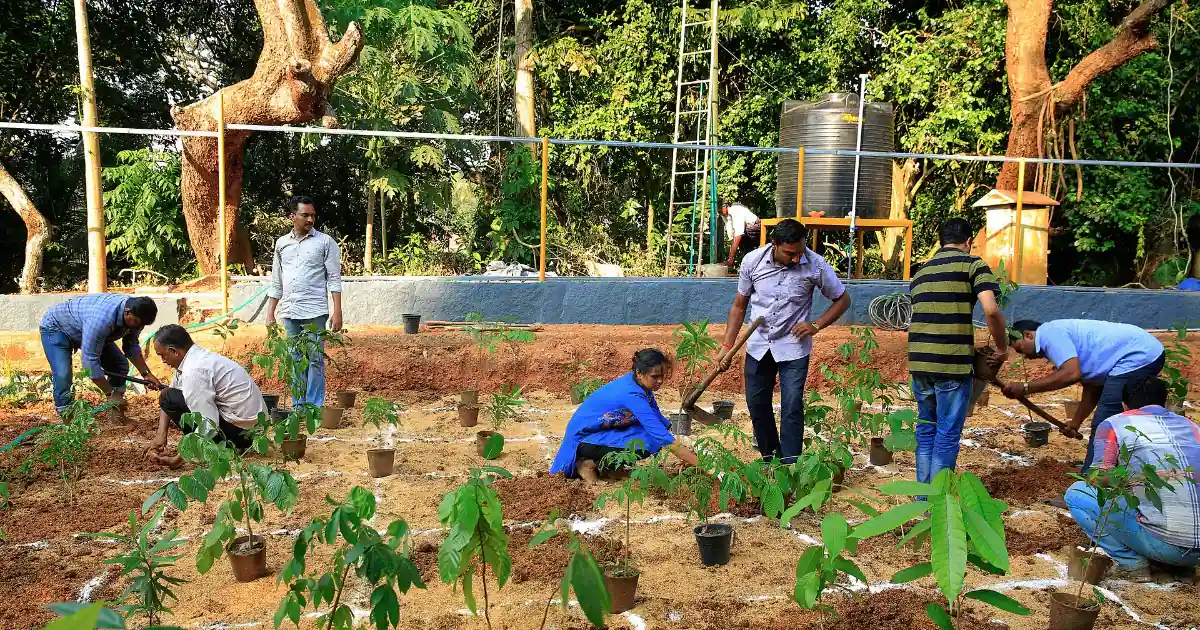
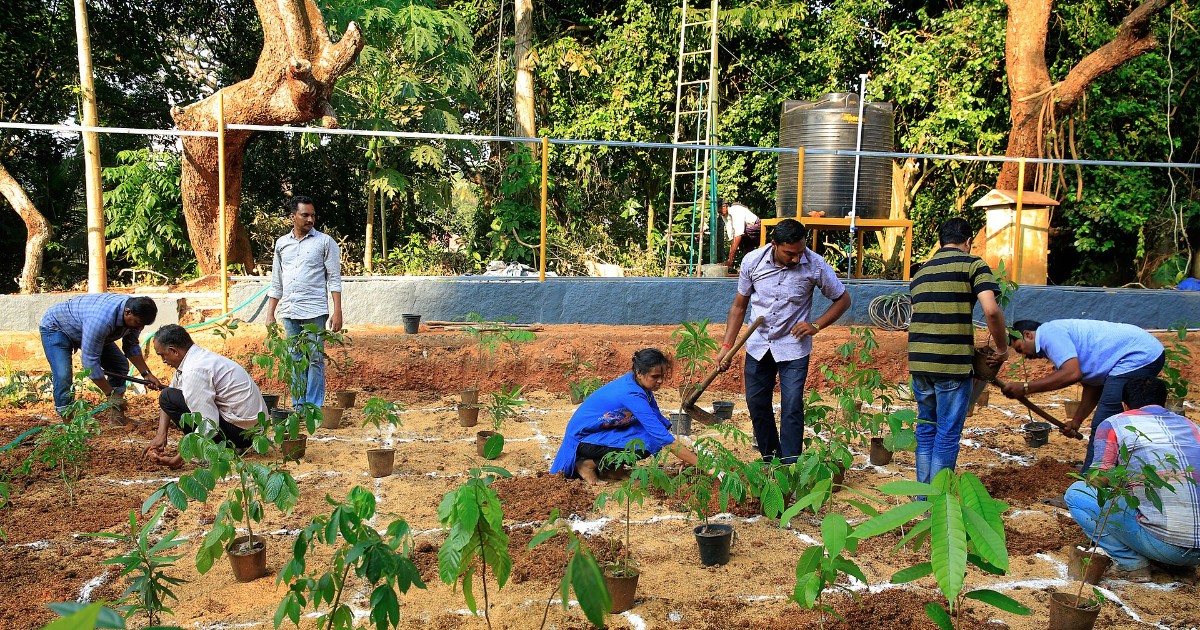
Parliament's Public Accounts Committee, which examines audit reports on government spending, has called the Green India Mission a failure after an audit found only 5.3% of the approved area under green cover. Here is what the mission was meant to do, what the audit found and why its targets are easy to confuse.
1. What did the Public Accounts Committee say about the mission?
A forest mission launched in 2014 has been judged a complete failure. On 19 November 2026, Parliament's Public Accounts Committee (PAC), headed by K.C. Venugopal, pulled up the Environment Ministry over its failure to implement the Green India Mission.
The panel wants a deadline. It asked the government to fix a timeframe for the mission. The mission was revised in 2021, but the revised guidelines have still not been issued.
2. What is the Green India Mission?
It is India's climate mission for forests. The National Mission for a Green India is one of eight missions under the National Action Plan on Climate Change.
The Environment Ministry runs it. Its aim is to expand forest and tree cover and to improve the quality of existing forests.
Its overall ambition was large. The mission document sets an objective of 10 million hectares: 5 million hectares of new forest and tree cover and 5 million hectares of better-quality forest. It was launched in February 2014, with activities starting in 2015-16.
Forests matter for climate as carbon sinks. Trees store carbon as they grow, so more and healthier forests pull carbon dioxide out of the air. That is why a forestry scheme sits inside a climate plan.
3. What does the Public Accounts Committee do?
It is Parliament's watchdog on spending. The PAC examines the reports of the Comptroller and Auditor General (CAG), the constitutional auditor of government accounts, and questions ministries on what the audits find.
Its strength is follow-through. An audit report says what went wrong. The PAC calls the ministry to explain and recommends what must change, which is how this mission's record reached the committee.
4. What did the audit find?
The gap between plan and ground is wide. The main findings, as reported from the CAG audit and the PAC:
Target used by the audit: 2.8 million hectares under green cover by 2018
Achieved: only 5.3% of the area approved by the government, seven years after that deadline
Field check by IISc for the CAG: no change at 70% of sites checked
Tree cover found: only about 10% of the mapped area
Budget approved: Rs 2,400 crore for four years
Money actually received: Rs 1,149 crore in ten years
Governing Council meetings: two in ten years, against one a year
Social audit: not done in 14 of 16 States
Carbon captured: never measured
Note: two different targets are in circulation. The 2.8 million hectares by 2018 is the yardstick the audit and the PAC used. The 10 million hectares is the mission document's overall objective. They measure different things and should not be compared directly.
5. Why did the mission fall short?
Money arrived slowly. Less than half the approved budget reached the mission, and over ten years instead of four.
Planting went to the wrong places. The IISc study found saplings planted inside a paddy field, while scrublands, ravines and old mines that most needed cover were left out.
Oversight was thin. With the Governing Council, chaired by the Minister, meeting twice in a decade and no annual report, nobody was regularly checking progress. A priority project, the Aravalli green wall, was not worked on at all.
6. What are the two sides?
The case for patience
Forest restoration is slow by nature. Saplings take years to show up as canopy in satellite images, and the mission was revised in 2021, so judging it on a 2018 target can understate what may still mature.
The committee's case
A mission cannot claim results it never measured. Without annual reports, social audits or carbon accounting, the government has no evidence of success, and the field check found nothing at most sites.
The question underneath
Both sides depend on data that does not exist. Neither the Ministry nor its critics can say how much carbon the mission has stored, because no one counted.
7. What happens next?
The PAC has asked for a timeframe, which is the minimum. The next step is for the Ministry to issue the revised guidelines it has held since 2021 and to answer the audit in writing.
The deeper problem is design. The mission was meant to be part of how India uses forests to absorb carbon.
What it cannot show. A scheme that plants without checking survival, and spends without measuring carbon, cannot tell the country whether its forests are growing at all.