What is an EIA public hearing? Why did the Veerlapalem ethanol plant need one?
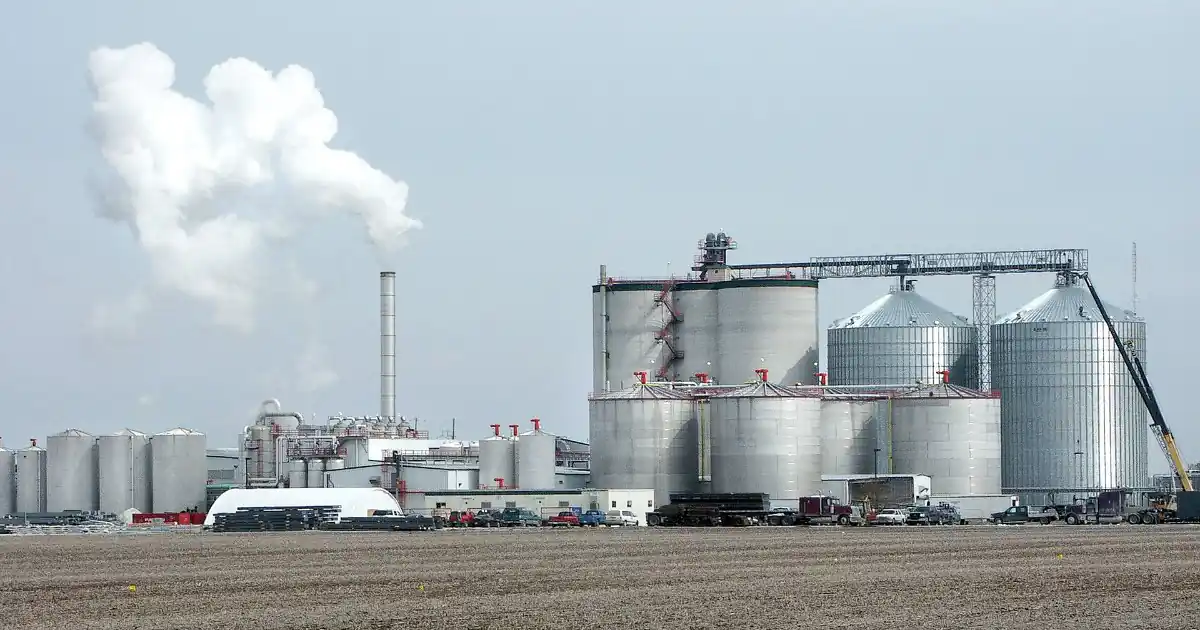
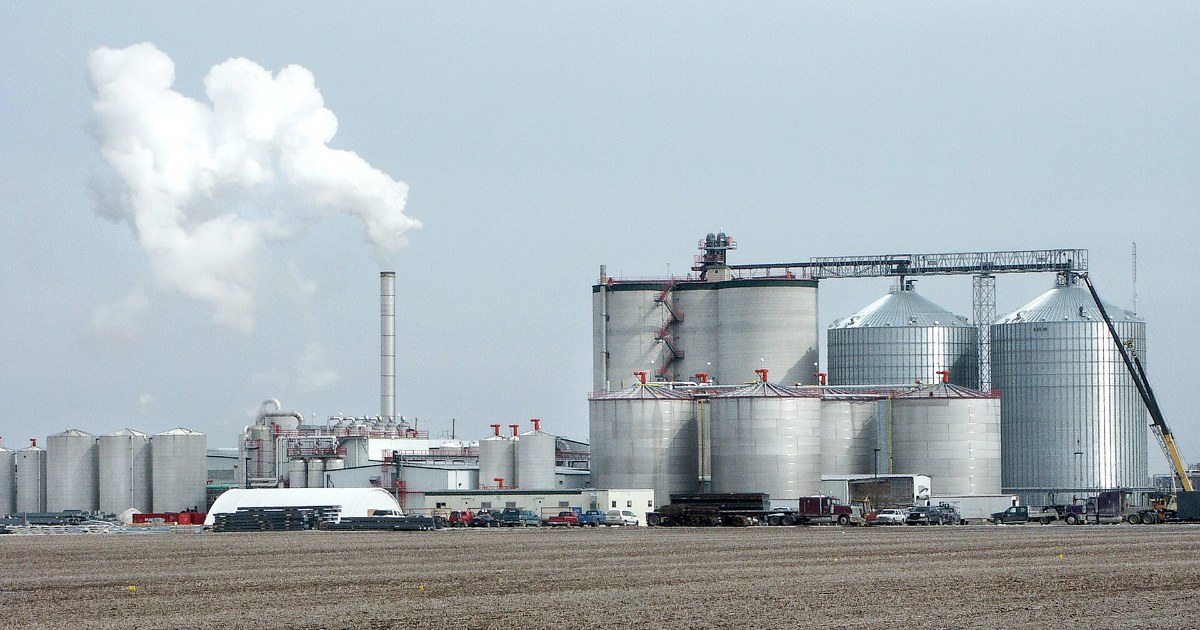
A public hearing was held on November 20 on a proposed ethanol plant at Veerlapalem in Nalgonda district. The hearing is the stage of environmental clearance where local people put their concerns on record. Here is how it works, who runs it and what it can and cannot decide.
1. What happened at the Veerlapalem ethanol plant hearing?
A plant, and a hearing first. On Friday, November 20, a public hearing was held on a proposal to set up an ethanol producing facility at Veerlapalem village in Damarcherla mandal of Nalgonda district, Telangana.
Why a hearing at all. Before many industrial projects can be built, the people who will live beside them get a formal chance to speak. That chance is the public hearing, and it is a fixed step in India's environmental clearance process.
What this post covers. It explains what the hearing is, the law behind it, who conducts it, and the limits of what it can achieve.
2. What is a public hearing in environmental clearance?
A stage, not an event. Environmental clearance is the approval a project needs before construction. It moves through stages, and one of them is public consultation, the process by which the concerns of local affected persons are ascertained.
Two parts to consultation. The EIA Notification, 2006 says public consultation ordinarily has two components:
A public hearing at the site or in close proximity, held district-wise
Written responses from other concerned persons who have a plausible stake in the project
Who gets heard. The hearing is for those who live near the project. Written responses widen the circle to anyone else with a real stake, such as people downstream or experts, who cannot attend in person.
EIA in plain words. An Environmental Impact Assessment, or EIA, is a study of what a project will do to the air, water, land and people around it. The hearing lets residents test that study against what they know.
3. Which law sets out public consultation?
The parent Act. The EIA Notification was issued on September 14, 2006 as S.O. 1533(E). It draws its force from the Environment (Protection) Act, 1986, which lets the Centre take measures to protect and improve the environment.
The legal chain. Its preamble cites these powers:
Environment (Protection) Act, 1986: Section 3(1) and Section 3(2)(v)
Environment (Protection) Rules, 1986: Rule 5(3)(d)
The notification itself: Stage 3, "Public Consultation", in paragraph 7
Why this matters. Because it rests on a central Act, the hearing is not a courtesy a company may skip. It is a condition of the clearance process for the projects it covers.
4. How is a public hearing run?
The State board conducts it. The hearing is held by the State Pollution Control Board, or by the Pollution Control Committee in a Union Territory. In Telangana, that duty falls on the State's Pollution Control Board.
A fixed clock. Appendix IV of the notification says the hearing must be completed within 45 days of the applicant's request. The deadline stops a hearing from being delayed indefinitely, in either direction.
From hearing to appraisal. The concerns raised are recorded and travel with the application. The authority that appraises the project then weighs them along with the EIA report before deciding on clearance.
5. Which projects must hold one?
The category decides. The notification sorts projects into categories by their likely impact. All Category A and Category B1 projects must undertake public consultation, subject to a list of exemptions in the notification.
Notification: EIA Notification, S.O. 1533(E), 14 September 2006
Parent law: Environment (Protection) Act, 1986
Projects covered: Category A and Category B1, with listed exemptions
Components: public hearing plus written responses
Conducted by: State Pollution Control Board or UT Pollution Control Committee
Time limit: within 45 days of the applicant's request
Note: The size and category of the Veerlapalem plant have not been published, so this post does not assign it to Category A or B1. Distilleries appear in the notification's schedule, but the category depends on details not yet public.
6. What can a public hearing do, and what can it not?
The case for the hearing
A voice before the concrete. The hearing is often the only point at which villagers can speak directly to the regulator about a project. Their knowledge of local water sources, crops and health is not always captured in a consultant's report.
A record that counts. What is said goes into the file. An appraisal committee that ignores serious, recorded objections has to explain itself, and that record can later be examined.
The limits critics point to
Consultation, not consent. The notification describes the hearing as a way to ascertain concerns. It does not give residents a vote, so a hearing full of objections does not by itself stop a project.
Process can crowd out substance. A single sitting, held to a deadline, may not give people enough time to read a technical EIA report and respond to it.
The question the rule leaves open
Heard, but answered? The law ensures that people are heard. It is far less precise about how their concerns must be answered in the final decision. That gap, between recording a concern and acting on it, is where most disputes over hearings end up.