Who controls India's electoral rolls? Why is a former CEC seeking an SIR audit?
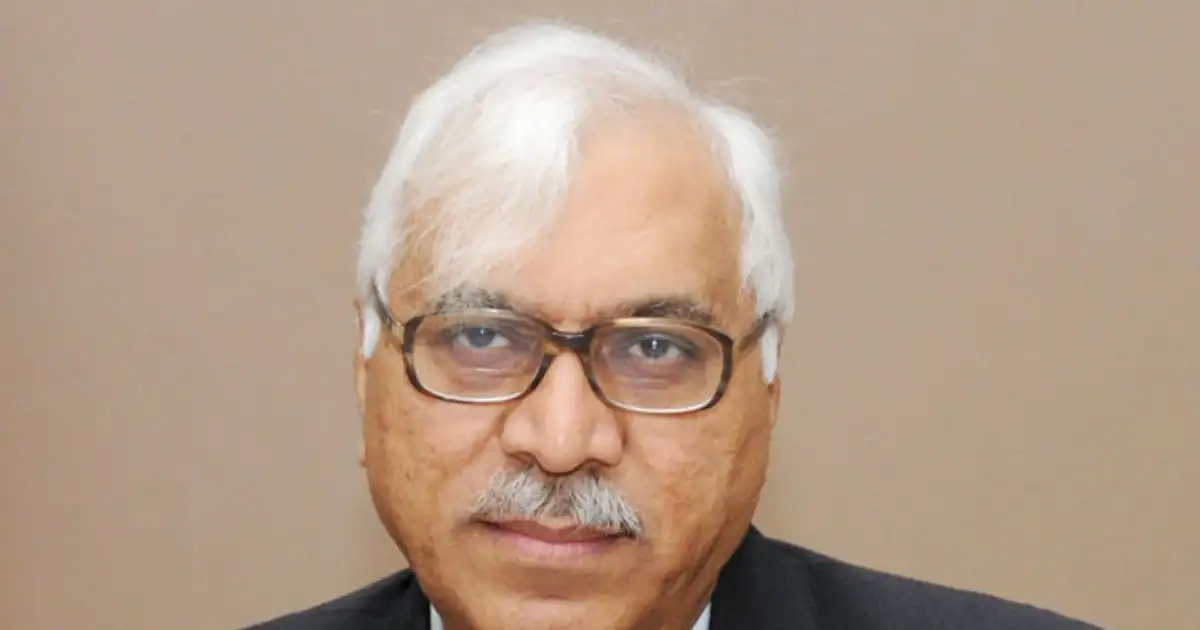
Former Chief Election Commissioner S.Y. Quraishi has called for an independent audit of the Special Intensive Revision of electoral rolls. The Election Commission controls the rolls under Article 324. Here is what he asked for, what the law says and what is at stake.
1. What did former CEC S.Y. Quraishi ask for?
An audit of the rolls. Former Chief Election Commissioner S.Y. Quraishi has called for an independent audit of the Special Intensive Revision, the large-scale check of electoral rolls by the Election Commission.
Where he said it. He was delivering the 17th V.M. Tarkunde Memorial Lecture in Delhi on Friday, November 20, on "Constitutional Institutions of India: Where Are They Headed?".
His three demands. He asked for:
An independent audit of the Special Intensive Revision
Disclosure of decision records and digital audit trails
Restoration of names deleted without lawful authority
2. What is the Special Intensive Revision?
A fresh look at the rolls. An electoral roll is the list of people entitled to vote in a constituency. Rolls are revised regularly, but an intensive revision goes further, re-examining entries in bulk rather than updating them at the margins.
Why it draws scrutiny. A bulk exercise can remove large numbers of names quickly. Each wrongful deletion takes away a person's ability to vote until it is corrected.
Deletion and appeal. Those removed from the roll can appeal. The speed of those appeals, compared with the speed of deletion, is at the heart of the present criticism.
3. What powers does the Election Commission hold over the rolls?
The constitutional source. Article 324(1) vests the superintendence, direction and control of the preparation of electoral rolls, and of the conduct of elections, in the Election Commission.
The statutory power. Section 21(3) of the Representation of the People Act, 1950 lets the Commission, at any time and for reasons to be recorded, direct a special revision of an electoral roll.
The roll stays alive. Under the same section, the roll in force remains effective until the special revision is completed. Nobody is left without a valid list while revision is under way.
Reasons on record. Section 21(3) itself requires the Commission to record its reasons for a special revision. That built-in duty is a natural starting point for any demand for transparency.
Note: Section 21(3) is the Commission's general power to order a special revision. This post does not claim that the present SIR was ordered under that section; the provision is listed to explain the Commission's legal powers.
4. What do the West Bengal figures show?
Numbers as quoted. Mr. Quraishi cited figures from West Bengal's revision. They are his figures, given in the lecture:
Voters deleted during adjudication: 27 lakh
Of those, appeals filed: 22 lakh
Names restored before the Assembly election: 1,607, because hearings had not been held
Appellate tribunals' findings: reportedly, 93 per cent of more than 1.2 lakh exclusions examined were incorrect
The gap the figures point to. The concern is not that names were removed, which revision allows, but that wrongful removals could not be corrected before people needed to vote.
Why timing matters. An appeal heard after polling day may restore a name to the roll, but it cannot restore the vote that was missed.
5. What are the two sides?
The case for an independent audit
Credibility needs proof. Mr. Quraishi said the Commission's credibility "may take years, perhaps decades, to repair", and that institutions need strong safeguards against misuse of power. An outside audit and open decision records would let the public test the process.
The case for the Commission's control
The Constitution chose one body. Article 324 places control of the rolls with the Commission precisely so that no outside agency or government runs them. Any audit design would have to respect that constitutional allocation.
The question neither side answers
Who audits the auditor? The law gives the Commission power to revise rolls and to record reasons. It says far less about how those reasons are checked, by whom, and how fast a wrongly excluded voter is restored.
6. What would disclosure change?
Records over reassurance. Digital audit trails show who deleted a name, when and on what basis. That turns a dispute over trust into a question of evidence that can be checked.
Why rolls matter. The electoral roll is the gate to every other right in an election. A person missing from it cannot vote, whatever their eligibility, so errors in revision fall directly on the franchise.
What an audit cannot do. An audit can find errors after the fact. It cannot return a vote to someone who was off the roll on polling day. The lasting fix lies in how quickly appeals are heard, which no audit alone can guarantee.