How is a High Court judge removed? Does resignation end the removal process?
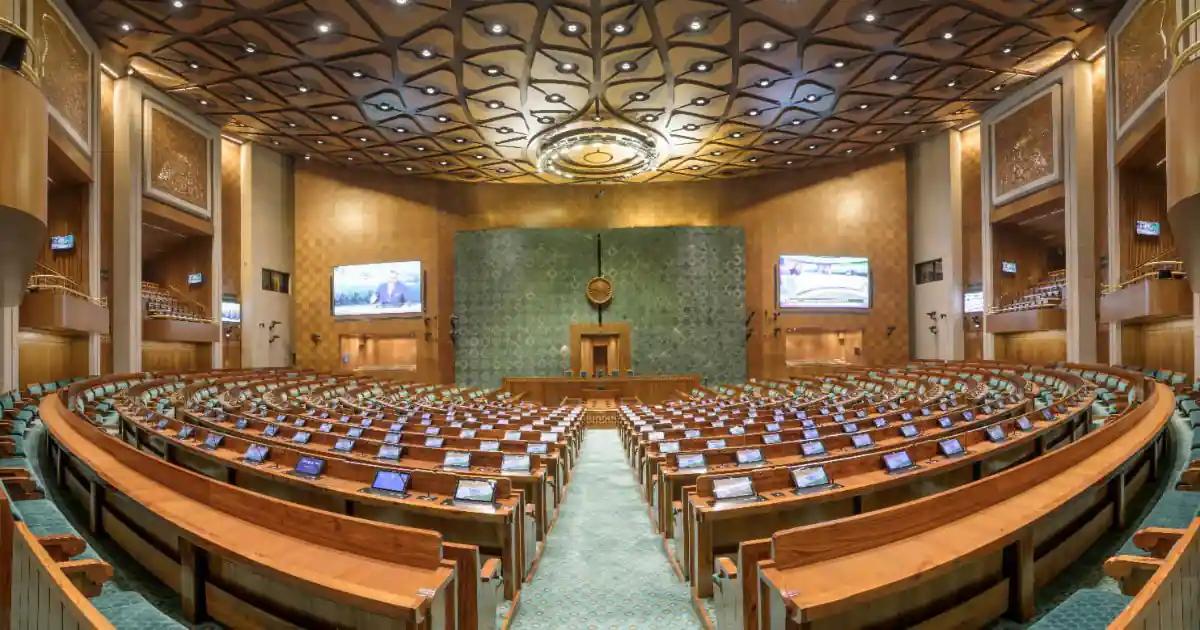
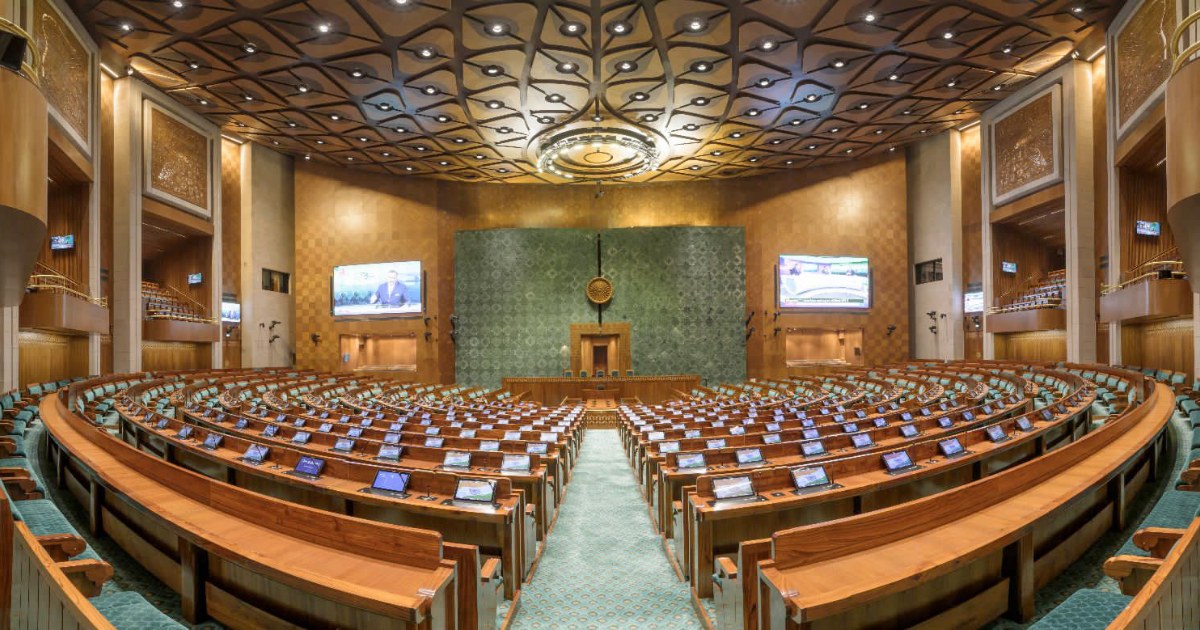
Former Allahabad High Court judge Yashwant Varma has told the Lok Sabha that removal proceedings against him are infructuous, meaning pointless, after his resignation. Here is how a judge is removed, how the inquiry works, and the question his letter raises.
1. What has Justice Yashwant Varma told the Lok Sabha?
A letter on jurisdiction. Justice Yashwant Varma, who resigned from the Allahabad High Court on April 9, has written to Lok Sabha Secretary-General Utpal Kumar Singh. The letter, dated September 10, was circulated to MPs by the Secretariat on Thursday, November 19.
His claim. He says parliamentary proceedings to remove him have become "infructuous", that is, without purpose, because he has already left office.
What he declined to do. He refused to engage with the merits of the inquiry report or to comment on it. He reiterates his innocence and says his resignation is not an admission.
2. How can a High Court judge leave office?
Two routes in one Article. Article 217(1) sets out how a High Court judge's tenure can end before retirement. Its provisos give two routes:
Resignation, proviso (a): a judge may resign by writing under their hand addressed to the President
Removal, proviso (b): a judge may be removed by the President in the manner provided in Article 124(4) for Supreme Court judges
One voluntary, one not. Resignation is the judge's own act. Removal is Parliament's act, followed by the President's order. Justice Varma's argument rests on the gap between the two.
3. What does Article 124(4) require?
A deliberately hard process. Removal is designed to be rare, so that judges cannot be threatened with it for unpopular decisions. Article 124(4) requires every one of these conditions:
Ground: proved misbehaviour or incapacity
Vote in each House: a majority of the total membership of that House
And also: not less than two-thirds of the members present and voting
Timing: the address presented to the President in the same session
Final step: the President's order of removal
The role of Parliament's law. Article 124(5) lets Parliament regulate, by law, the procedure for presenting the address and for investigating and proving misbehaviour or incapacity.
4. How does the Judges (Inquiry) Act, 1968 work?
The law under Article 124(5). The Judges (Inquiry) Act, 1968 supplies the procedure. It ensures that charges are investigated by judges and jurists before any vote.
Starting a motion: signed by 100 Lok Sabha members or 50 Rajya Sabha members
Admission: the Speaker or Chairman decides whether to admit it
Committee: three members, a Supreme Court judge, a High Court Chief Justice and a distinguished jurist
Charges: the committee frames definite charges, under Section 3(3) and 3(4)
Report: under Section 4, the report is laid before the House
Section 6(3): if each House adopts the motion, misbehaviour is deemed proved and an address goes to the President
For High Court judges. Article 218 applies the same removal provisions to High Court judges.
5. How was the committee in this case formed?
The Speaker's committee. The inquiry committee was constituted by Lok Sabha Speaker Om Birla. The inquiry began after burnt cash was discovered at the judge's residence last year.
A ruling on committee formation. In X v Speaker of the House of the People, 2026 INSC 65, decided on January 16, 2026, a Bench of Justices Dipankar Datta and S.C. Sharma held that the Speaker could constitute the Section 3(2) committee alone.
Why alone. The Court reasoned that the proviso requiring a joint committee of both Houses applies only when notices of motion are admitted in both Houses on the same day. The petition was dismissed.
Note: The judgment is reported with the petitioner named only as "X". It is the ruling on how the committee was formed, not on whether resignation ends removal.
6. What are the two sides?
The judge's argument
Nothing left to remove. Citing the Constitution, Justice Varma says there is "no constitutional or statutory jurisdiction or basis to take any further steps" since he has demitted office. Removal, on this view, can apply only to a sitting judge.
The argument for continuing
The process has its own value. An inquiry committee has already reported. Those who want Parliament to proceed would argue that the inquiry's findings should be considered, and that resignation should not become a way to end scrutiny once a report exists.
What the texts do not say
A silent Constitution. Article 124(4) describes how a judge is removed. Neither it nor the 1968 Act expressly says whether the process can continue after the judge resigns. That silence is the real question, and it has not been settled.
7. Why does the question matter beyond this case?
Accountability versus finality. If resignation ends proceedings, a judge facing removal can always step down first. If it does not, Parliament may spend time removing someone already gone.
What removal can and cannot do. Removal is the Constitution's mechanism for holding a judge to account for conduct in office.
An open question. Whether it reaches a judge who has already left is a question the text leaves open, and one that Parliament, or a court, will eventually have to answer.