What is a Small Modular Reactor? Why has AP-Genco been allowed to explore one?
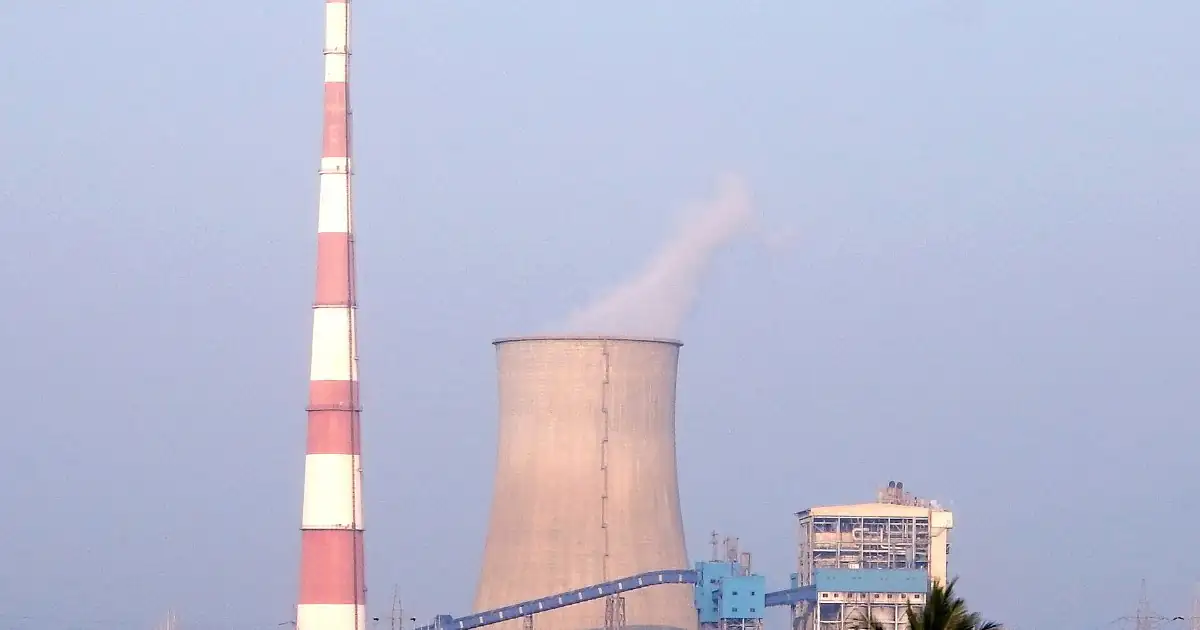
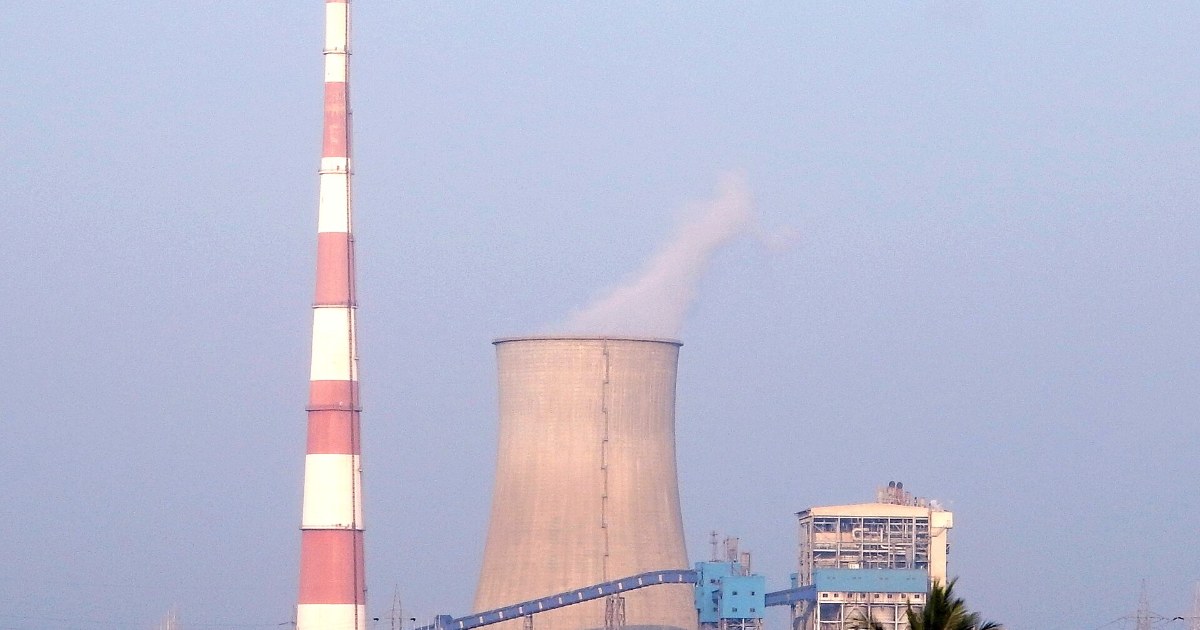
Andhra Pradesh has allowed its power utility AP-Genco to explore nuclear power from Small Modular Reactors, compact reactors built in smaller units, at thermal sites due for retirement. Here is what the order permits, its conditions and what central law says on private nuclear power.
1. What has the Andhra Pradesh government permitted AP-Genco to do?
Permission to explore. The Andhra Pradesh government has issued G.O. Rt. No. 81, allowing AP-Genco, the State's power generation utility, to explore setting up a nuclear power plant based on Small Modular Reactors.
Who issued it. The order was issued on November 20, 2026 by Special Chief Secretary (Energy) K. Vijayanand.
Where the idea came from. The proposal came from a letter written in October 2026 by AP-Genco's Managing Director, S. Nagalakshmi.
What it is not. The order is a permission to study and prepare, not a project sanction. It sets a direction for AP-Genco rather than a construction schedule.
2. What is a Small Modular Reactor?
Smaller, in units. A Small Modular Reactor, or SMR, is a compact nuclear reactor built in smaller units than a conventional nuclear plant. Instead of one very large reactor, capacity is added module by module.
Why the design appeals. Smaller units can, in principle, be built more quickly and placed on sites too small for a large plant. Capacity can also grow in steps as demand rises.
Contrast with large plants. A conventional nuclear plant is a single large project built over many years on a big site. The modular approach tries to make nuclear power smaller and more repeatable.
A technology still maturing. No SMR was operational in India at the time of AP-Genco's MD's interview in January. That is why the State's order ties the project to the technology first becoming stable.
3. Where would the reactors go?
Old thermal sites first. The order lets AP-Genco explore an SMR-based plant at locations where its thermal power units are due for retirement, or at other suitable sites in the State.
The logic of reuse. A thermal plant that is shutting down leaves behind land already in industrial use and links to the power grid. Placing a new low-carbon source there avoids finding fresh land.
A replacement idea. In effect, the plan is to replace coal-fired generation with nuclear generation on the same footprint, once the technology allows.
4. What conditions does the order set?
Two conditions. The permission comes with limits:
Order: G.O. Rt. No. 81, dated November 20, 2026
Issued by: Special Chief Secretary (Energy) K. Vijayanand
Permits: AP-Genco to explore an SMR-based nuclear plant
Sites: thermal unit locations due for retirement, or other suitable sites
Condition one: to be taken up after SMR technology stabilises
Condition two: private sector to be involved in setting it up
Proposed by: AP-Genco MD S. Nagalakshmi, October 2026
Note: The order permits AP-Genco to explore, not to build. No site, capacity or timeline for construction has been fixed.
5. What does central law say on private nuclear power?
A changed framework. The SHANTI Act, 2025, the Sustainable Harnessing and Advancement of Nuclear Energy for Transforming India Act, received the President's assent in December 2025.
What it replaced. It repeals the Atomic Energy Act, 1962 and the Civil Liability for Nuclear Damage Act, 2010. It allows private companies and joint ventures to build, own, operate and decommission nuclear plants under regulatory oversight.
How this connects. The State's condition of private participation fits a field that central law has now opened. The G.O. itself, however, does not cite the SHANTI Act, and it is not issued under it.
Earlier interest. In June 2026, the State's IT Minister invited Russia's Rosatom, at the St Petersburg International Economic Forum, to set up next-generation SMRs in Andhra Pradesh. Rosatom said it partners with the Nuclear Power Corporation of India.
6. What are the two sides?
The case for exploring now
Planning ahead. Thermal units will retire whether or not SMRs are ready. Studying sites and partners early means the State is not starting from zero when the technology matures.
Private capital. Bringing in the private sector, as the order requires, spreads cost and risk beyond the State utility. That matters for any new generation technology, where the first units carry the most risk.
The case for caution
An unproven base. The order itself waits for the technology to stabilise. Committing land and attention to a reactor type not yet running in India carries the risk of planning around a technology that is delayed.
Waiting has a cost too. If thermal units retire before SMRs are ready, the State will need other power sources to fill the gap.
What the order cannot settle
Nuclear power is a national matter. A State order can open the door for its utility to explore. It cannot by itself license a reactor, which needs the central regulatory process. The real test of this plan lies outside the State's own powers.