What is monazite? Why is AP setting up a Rare Earth Development Corporation?
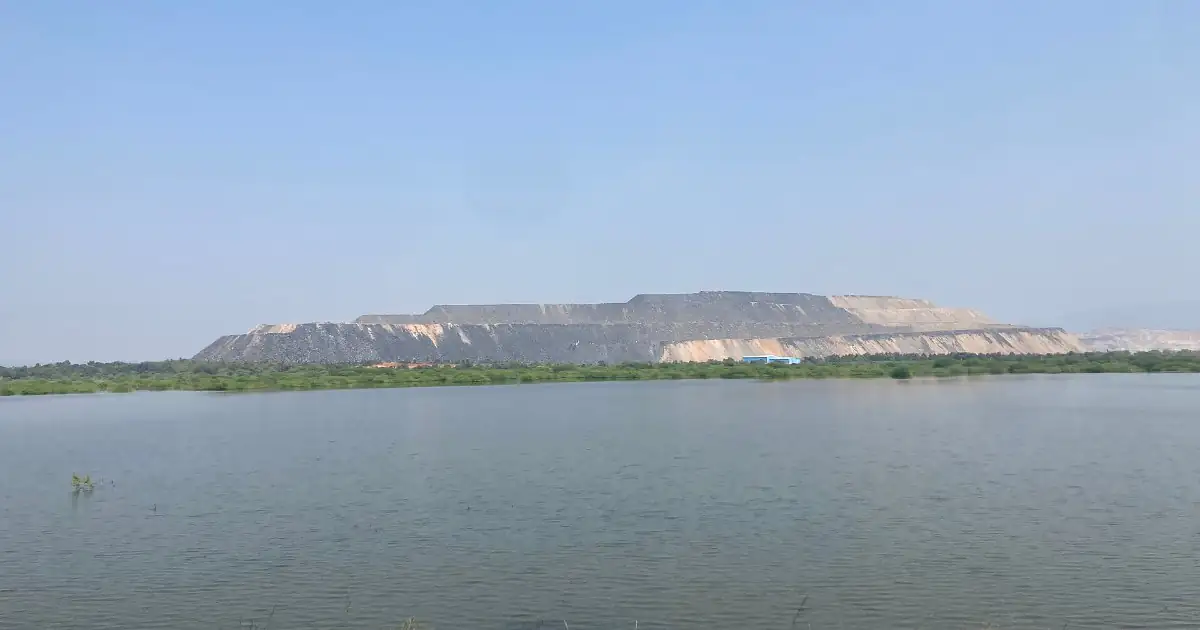
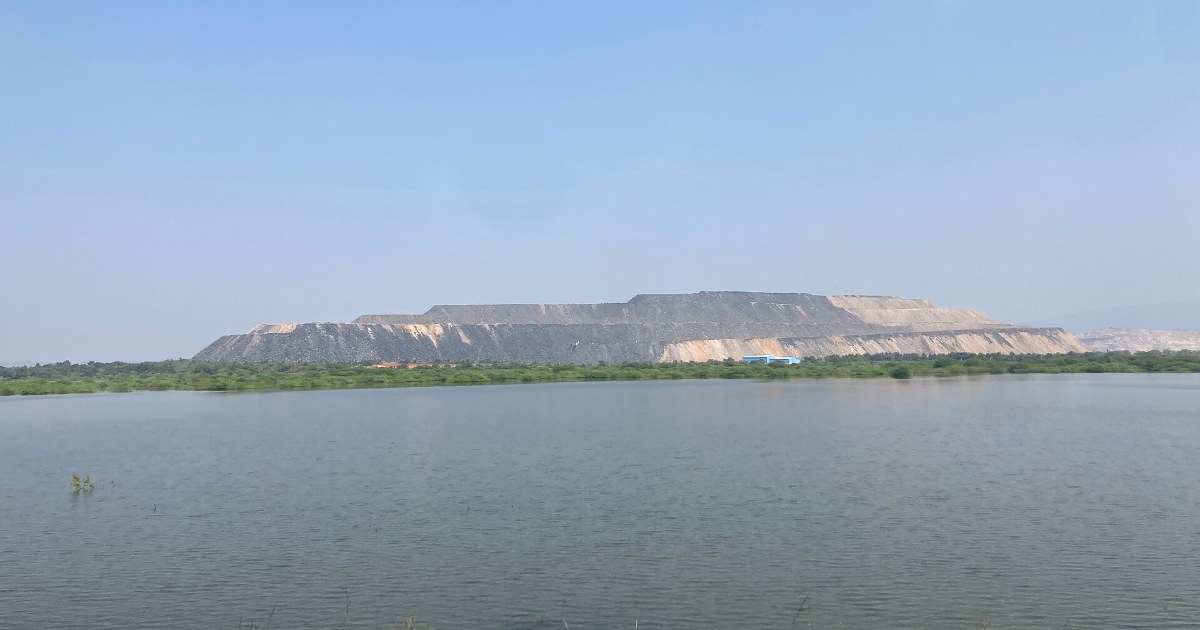
Andhra Pradesh has cleared a separate AP Rare Earth Development Corporation to explore rare earths, especially monazite in beach sand, and plans an IPO for APMDC by December 2027. Here is what monazite is, who controls it under central law and what the State plans.
1. What has Andhra Pradesh decided for APMDC and rare earths?
Two decisions. The Chief Minister has approved setting up a separate Andhra Pradesh Rare Earth Development Corporation, or APREDC. He has also approved taking the AP Mineral Development Corporation, APMDC, to the stock market.
The new body's task. APREDC is to focus on the exploration and development of rare earth minerals, especially monazite in beach sand.
The listing plan. APMDC is to go public through an initial public offering, on the lines of NMDC, the central public sector miner. The target is December 2027.
Why now. Demand for rare earths has grown with electric vehicles, wind turbines and electronics, and India has sought to build domestic supply. A State with large beach sand deposits sees a stake in that effort.
2. What are rare earths and monazite?
Rare earths. Rare earth elements are a group of metals used in magnets, electronics, clean energy equipment and defence systems. They are not always scarce in the ground, but they are hard to separate and refine.
Processing is the prize. Separating individual rare earth elements from one another takes complex chemistry. That processing step, more than digging, is where much of the value lies.
Monazite. Monazite is a rare-earth and thorium-bearing mineral found in beach sands. Thorium is a radioactive element that India's nuclear programme plans to use as fuel.
Why that matters. Because monazite carries thorium, it is not treated like an ordinary mineral. Its nuclear link brings it under tight central control.
3. Who controls monazite under central law?
Atomic minerals. Under the Mines and Minerals (Development and Regulation) Act, 1957, beach sand minerals are declared atomic minerals in Part B of the First Schedule.
The Centre's rule-making power. Section 11B of the Act empowers the Centre to make rules regulating Part B atomic minerals.
Government control. The Atomic Minerals Concession Rules, 2016 were amended to ensure "complete government control over Monazite and Zircon", according to a 2022 release of the Ministry of Mines.
Note: These are central rules on monazite. Setting up a State corporation for rare earths does not by itself give that body the right to mine monazite, which remains under central control.
4. What is the Rare Earth Development Corporation meant to do?
A dedicated body. Rare earths need specialised exploration and processing that a general mining company may not prioritise. A separate corporation gives the State one agency focused on that work.
Starting with the coast. The focus on beach sand follows from where the State's deposits lie, along the coastline. How far it can go beyond exploration will depend on the central framework above.
Exploration first. The first job is to know what lies where, in what quantity and grade. Exploration data is what makes any later development, by any agency, possible.
5. Why take APMDC public?
Following NMDC. NMDC is listed on the stock market while remaining government controlled. Listing APMDC on the same lines would let it raise capital from investors and subject it to market disclosure.
What listing demands. A listed company must publish results and disclose risks to investors. That discipline can improve governance, and it also puts the corporation's performance under public scrutiny.
An ambitious target. APMDC aims for annual revenue of Rs 40,050 crore by 2030-31, against under Rs 3,000 crore now. That is a rise of 12 to 13 times in a few years.
Why capital matters. Growth of that scale needs investment in exploration and mining that a State corporation would struggle to fund from its own earnings.
6. Where do AP's mineral numbers stand?
The facts to remember. The State's plans rest on these figures:
Value of the State's mineral reserves: Rs 7.81 lakh crore
Beach sand minerals, Srikakulam to Krishna coast: about Rs 2.8 lakh crore
Mineral potential areas identified: 582, across 74,860 sq km
Clusters: the 582 areas are grouped into 209 clusters
APMDC revenue target: Rs 40,050 crore by 2030-31
APMDC IPO target: December 2027
Central law: MMDR Act, 1957, Part B of the First Schedule and Section 11B
7. What are the two sides?
The case for the plan
Turning reserves into revenue. Large reserves earn nothing in the ground. A focused rare earth body and a listed APMDC could give the State the capacity and capital to develop them.
The case for caution
Control sits elsewhere. Monazite is under central control as an atomic mineral. A State corporation built around beach sand may find its most valuable mineral is the one it cannot freely exploit.
What remains to be seen
Ambition versus jurisdiction. The plan's success depends on how APREDC's work fits within the Centre's rules for atomic minerals. Until that is spelt out, the corporation's role in monazite is a question rather than a mandate.
Two tracks. Even if monazite stays with the Centre, the State has other minerals across its 582 potential areas. APMDC's growth can draw on those as well as on rare earths.