What is the IMO's net-zero plan for shipping? Why does India want a differentiated start?
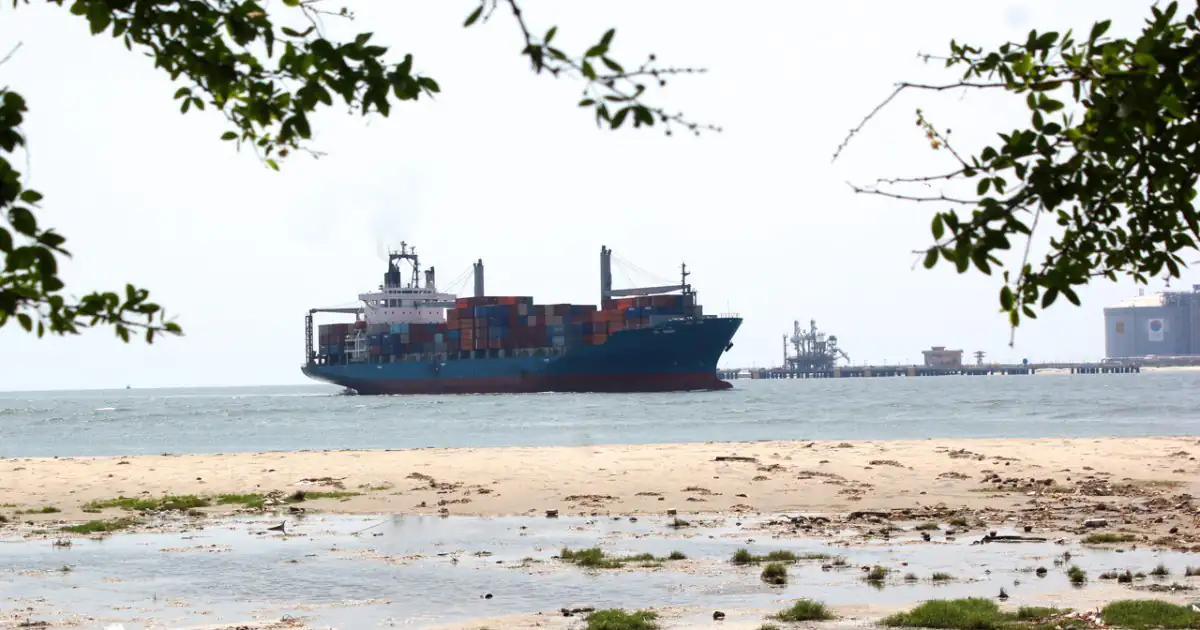
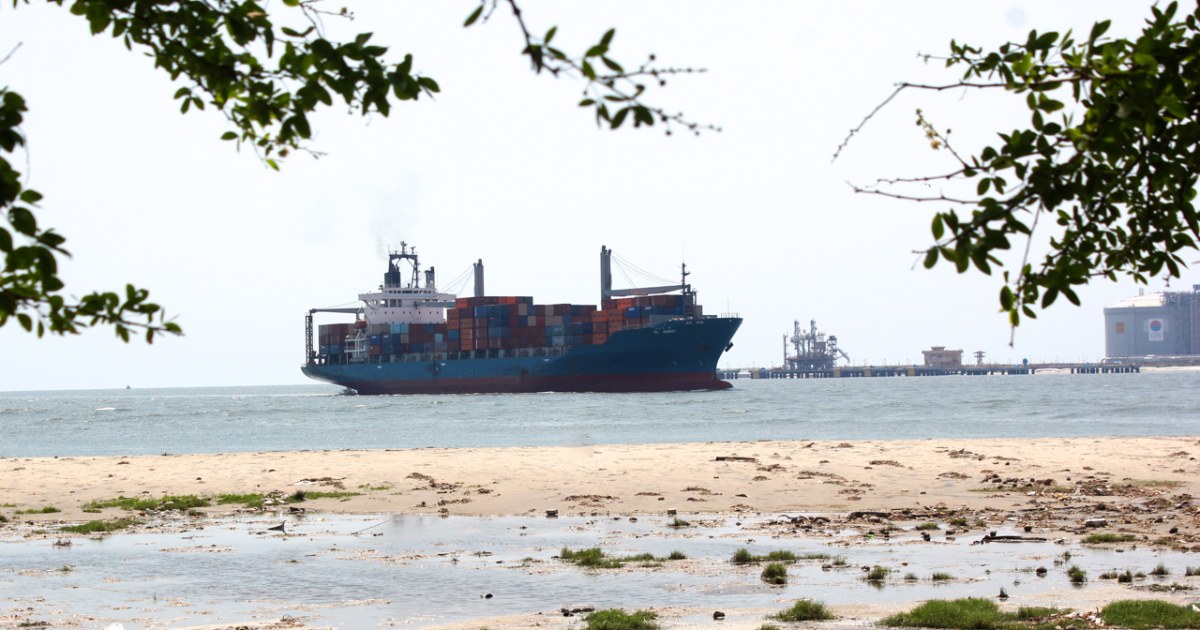
The International Maritime Organization is weighing how a carbon levy and green-fuel rules should apply to ships, and its 2025 plan has stalled. We explain the net-zero goal, the levy, the split among countries and CBDR-RC, the principle behind India's position. Read on for the full picture.
1. What is the IMO weighing on shipping emissions, and why does India's position matter?
A global rulebook for ships is being bargained over. The International Maritime Organization (IMO), the UN body that regulates shipping, is weighing how a carbon levy and green-fuel rules should apply to the world's fleet.
The original plan has been knocked off course. A framework proposed in April 2025 was upended largely by the United States. Countries are now divided between revising that framework, softening its start, and rejecting a carbon price altogether.
India sits between these camps. Its stand rests on a principle from climate diplomacy, and it also sees a commercial opening in supplying cleaner fuel to ships.
2. What has the IMO already committed shipping to?
The first targets came in 2018. The initial strategy aimed to cut carbon intensity, the emissions per unit of transport work, by at least 40% by 2030. It also sought at least a 50% cut in total annual emissions by 2050.
In July 2023 the goal hardened. The revised strategy committed international shipping to net-zero greenhouse gas emissions by or around 2050, with checkpoints in 2030 and 2040.
Net zero here is counted well to wake. Emissions are tallied across a fuel's life, from production to burning on board, not only at the ship's funnel. A fuel that is clean at sea but dirty to make does not pass.
3. How would the proposed Net-Zero Framework work?
The April 2025 proposal had four moving parts. The relevant IMO committee put forward a framework that would:
Cut each ship's greenhouse gas intensity, with a 43% reduction per ship targeted by 2035
Collect a levy from ships that fail to comply
Reward ships that perform better than required
Pool the money in a fund administered by the IMO
The levy is the hinge. It works as a carbon price, a charge on emissions above the permitted level. The sharpest objections are aimed at that one feature.
4. What legal footing do these rules have?
The binding rules sit in MARPOL Annex VI. MARPOL is the IMO's convention on pollution from ships. Energy-efficiency amendments to its Annex VI were adopted in 2011 and created two instruments.
One is for design, one for operation. EEDI, the Energy Efficiency Design Index, became mandatory for new ships. SEEMP, the Ship Energy Efficiency Management Plan, applies to all ships.
Annex VI energy-efficiency amendments: adopted 2011, in force 1 January 2013
2018 initial strategy: at least 40% cut in carbon intensity by 2030; at least 50% cut in total emissions by 2050
2023 revised strategy: net zero by or around 2050, checkpoints in 2030 and 2040
Baseline year for all targets: 2008
April 2025 framework: 43% cut in GHG intensity per ship by 2035
India's guiding principle: CBDR-RC
Note: Three sets of numbers are easily mixed up here. The 40% and 50% figures are from the 2018 strategy, net zero by 2050 is from 2023, and the 43% per-ship cut is from the 2025 proposal, which is still being negotiated.
5. Why has the framework stalled?
The United States has changed the terms. It now says it will work within the IMO, but it opposes an IMO fund, any carbon price, and regional schemes such as the EU Emissions Trading System and FuelEU Maritime.
Other members have answered in different directions:
Canada, Australia, the UK and South Africa made a joint submission updating the April 2025 framework
Japan and Brazil want a softer start
India prefers a preparatory phase before any charge applies
That makes the middle decisive. One group wants the framework kept and revised, while the United States wants no price at all. Countries asking for a gentler start can tip the balance either way.
6. Why does India want a differentiated start?
The principle behind the position
India's stand rests on CBDR-RC, Common But Differentiated Responsibilities and Respective Capabilities. All countries share the duty to cut emissions, but not in equal measure, because their histories and means differ.
Applied to ships, that rules out a flat charge. Cmde Debesh Lahiri of the National Centre of Excellence in Green Ports and Shipping says India would likely oppose a blanket, equal carbon tax on every ship and would prefer a preparatory phase.
The centre is a joint effort. It is a co-action centre of the Ministry of Ports, Shipping and Waterways and TERI (The Energy and Resources Institute).
The opportunity India sees
India could also sell the cleaner fuel. Its proximity to Singapore, a major bunkering point where ships take on fuel, could let India supply green fuels to vessels on that route.
Some of that supply is already lined up. Several green ammonia projects have assured offtake agreements, meaning buyers have committed in advance to take what the plants produce.
What the principle leaves unsettled
Differentiation is easier to claim than to design. A levy that is gentler for some countries has to decide which ships count as whose, and a preparatory phase has to end on a date someone agrees to.
The talks can set a price signal, not produce the fuel. Cutting emissions depends on green fuels being made, bunkered and bought at scale. Whether a preparatory phase builds that supply or simply delays the charge is the question the meeting leaves open.