Is walking on a footpath a fundamental right? Who must build and keep footpaths clear?
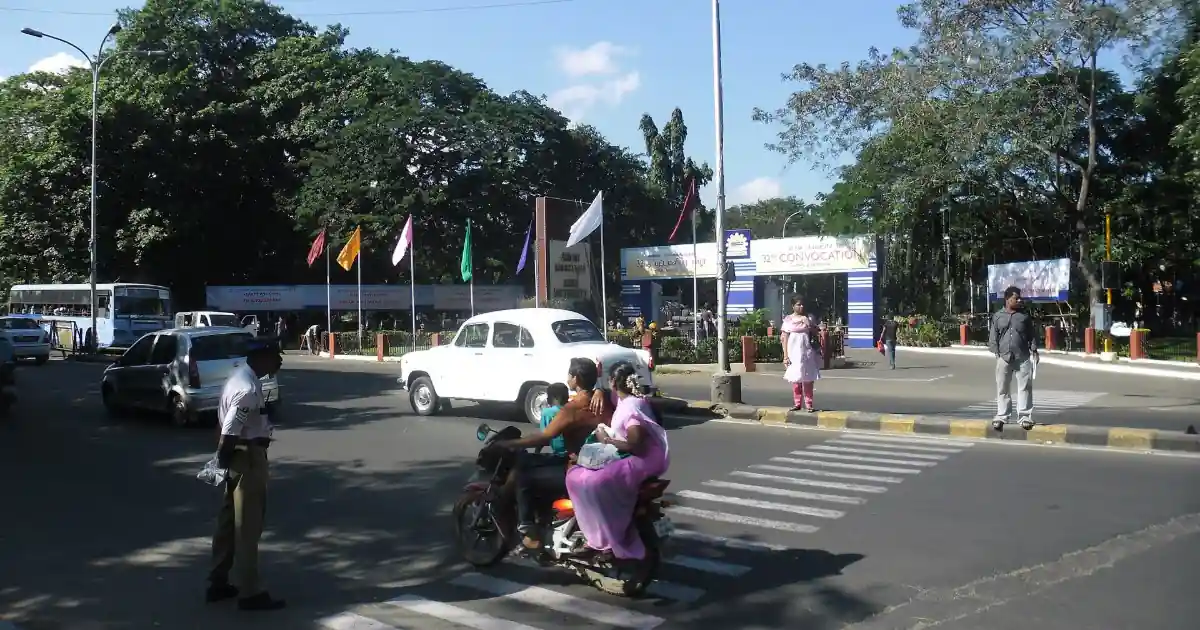
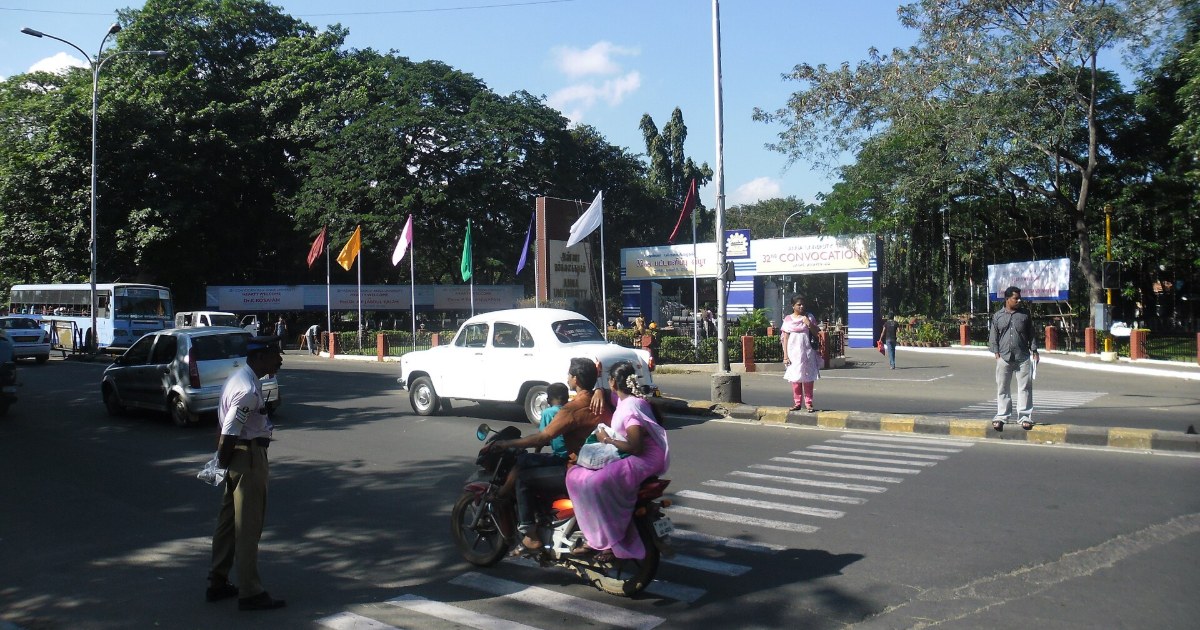
Speakers at the Indian Roads Congress in Hyderabad put pedestrians first, citing a June 2026 Supreme Court ruling. It holds that walking on a demarcated footpath is a fundamental right that outranks motor traffic. Here is what the Court said, who owes the duty and why laws alone fall short.
1. Why did pedestrians dominate the Indian Roads Congress in Hyderabad?
Pedestrians were the focus of the third day. At the Indian Roads Congress in Hyderabad, speakers argued that roads must be planned and run with people on foot put first.
They leaned on a Supreme Court ruling. Speakers cited the Court's judgment linking walking with the right to life. That judgment was delivered on 19 June 2026, so it is the legal backdrop to the session rather than fresh news.
2. What did the Supreme Court hold?
Walking outranks driving. The Court held that the right to walk on demarcated footpaths is a fundamental right. It called the right primary, with priority over movement by motorised vehicles.
The right comes with a duty. Where a road exists, there is a correlative duty, an obligation that arises alongside the right, to provide demarcated and well-maintained footpaths.
Remedies do not depend on traffic law. Citizens can seek constitutional and legal remedies, including restitution and compensation, independently of the Motor Vehicles Act, 1988.
3. Which parts of the Constitution does the right rest on?
The anchor is Article 19(1)(d), the freedom to move freely throughout the territory of India. The Court treated walking on a footpath as integral to that freedom.
It is linked to neighbouring rights. The ruling connects the right to walk with Articles 19(1)(a) to (c), the freedoms of speech, assembly and association, and with Article 21, the right to life and personal liberty.
Note: Reports phrase the link differently. One says the right is integral to Article 19(1)(d) and also linked to Article 21; another says it is part of Article 19(1)(d) and other rights including Article 21. Either way, 19(1)(d) is the anchor and Article 21 is linked.
Traffic law had left a gap. The Motor Vehicles Act, 1988 and the Motor Vehicles (Driving) Regulations, 2017 do not recognise a right to walk. The judgment fills that gap from the Constitution, not from a statute.
4. Who must build and keep footpaths clear?
The duty falls on the bodies that build and run roads locally. The judgment names:
Urban development authorities
Municipal corporations
Municipalities
Panchayats
The Court also looked beyond them. It supported an independent regulatory body to enforce the right. Its registry is to send the judgment to three Union ministries so that they can consider a legal framework:
Housing and Urban Affairs
Rural Development
Road Transport and Highways
5. How many Indians depend on walking?
More than the road design suggests. Mukti Advani of the Central Road Research Institute (CRRI) said that once rural and urban areas are counted together, pedestrians are a majority of the population.
Daily deaths (2019 study, cited by MoRTH): 70 pedestrians and 12 cyclists
Share of population on foot: more than 50%, rural and urban together
Rural students who walk or cycle: about 60%
Date of judgment: 19 June 2026
Bench: Justices P.S. Narasimha and Atul S. Chandurkar
Related case on footpaths: S. Rajaseekaran v. Union of India
Case: Maniyar Iliyaz Shaik Riyaz v. P. Ayyappan, C.A. Nos. 4665-4666/2025, 2026 LiveLaw (SC) 632
6. Is a right enough to make streets walkable?
What the ruling adds
A footpath becomes an entitlement. Without a recognised right, a missing or blocked footpath was easy to file away as a planning lapse. Now a citizen can treat it as the breach of a fundamental right and ask for compensation.
Where implementation bites
Laws alone do not save pedestrians. Sudip Choudhury, Director General in the Ministry of Road Transport and Highways (MoRTH), said safety depends on implementation and coordination, not merely on laws and standards.
A footpath is not yet a network. Jeevan Babu, Managing Director of the Hyderabad Unified Metropolitan Transport Authority (HUMTA), said the real challenge is an obstruction-free pedestrian network, not just footpaths.
7. What happens next?
The ministries hold the next move. Whether they draft the legal framework the Court asked them to consider will decide how far the right reaches beyond courtrooms.
The courts are watching a parallel case. S. Rajaseekaran v. Union of India, decided by Justices Oka and Bhuyan, also deals with footpaths and is being monitored by a bench led by Justice Pardiwala.
A judgment can declare a right and name who owes it. It cannot lay paving, clear encroachments or make a dozen agencies coordinate. Until local bodies treat footpaths as a duty, the right will mostly be enforced one lawsuit at a time.