What counts as small hydro power? What will the new scheme pay to build it?
India's small hydro push covers projects up to 25 MW and a Rs 2,584.60 crore scheme for 2026-31. We explain the 25 MW line, run-of-the-river plants, which simply borrow part of a river's flow, and why large hydro was declared renewable in 2019.
1. Where does India stand on small hydro power?
Most of India's small hydro potential is untapped. About a quarter of the identified capacity has been harnessed. A new central scheme for 2026-27 to 2030-31 aims to add about 1,500 MW, with priority for hilly, North-Eastern and border regions.
2. What counts as small hydro power?
The line is 25 MW. Projects with installed capacity up to 25 MW are small hydro and are administered by the Ministry of New and Renewable Energy (MNRE). Anything larger falls under the Ministry of Power.
Small plants come in three common designs:
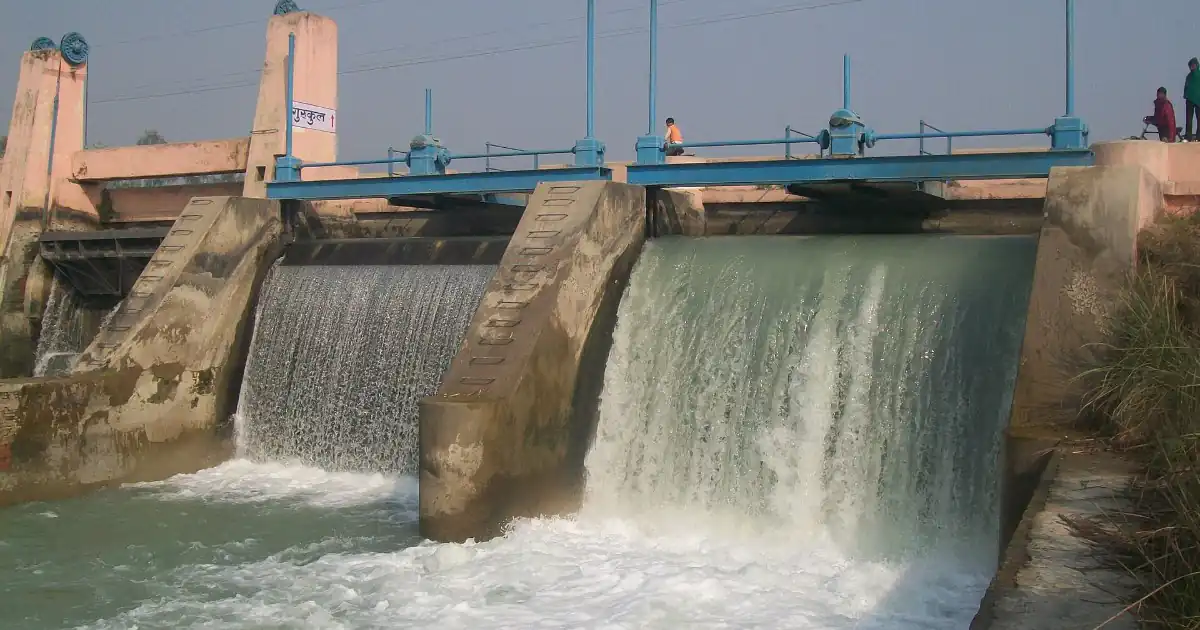
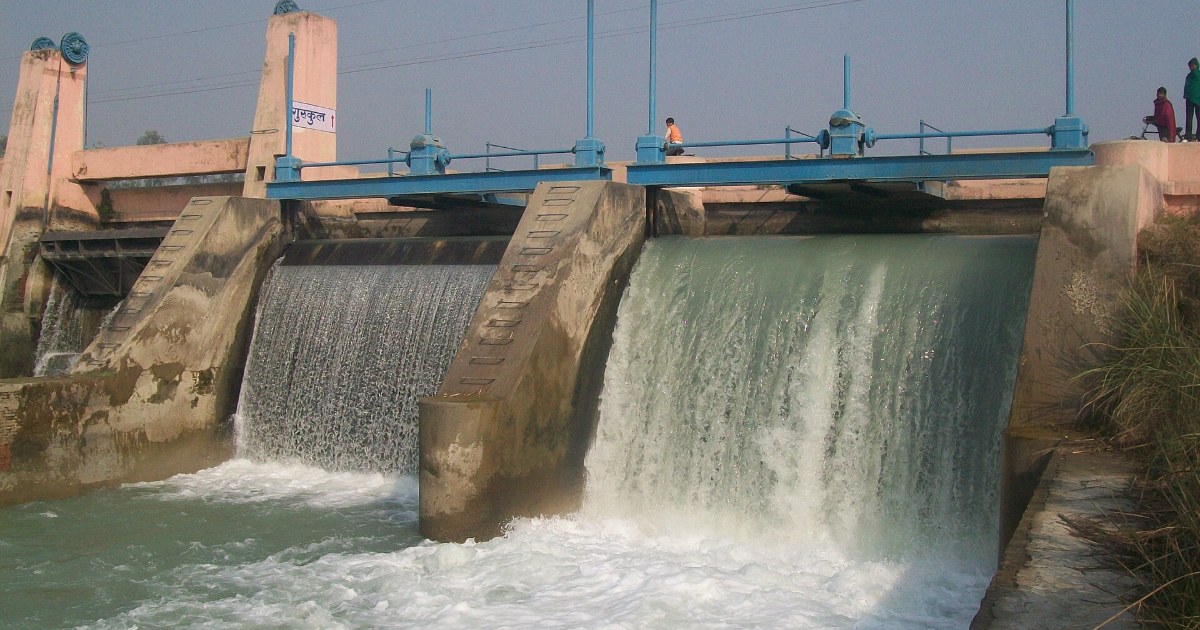
Run-of-the-river: part of a river's flow is diverted through channels and pipes to turbines, then returned to the stream, so ecological disruption is minimal
Canal-fall: uses the drop in an irrigation canal
Dam-toe: uses the flow released below existing dams and barrages
3. How much potential does India have?
Plenty, spread unevenly. The identified potential is spread over thousands of sites. The north has the most, and three States stand out in the figures released.
Identified potential: 21,134 MW across 7,133 sites
Harnessed as of 30 September 2026: about 5,182 MW, roughly 25%
Untapped: 15,952 MW
By region (MW): Northern 8,030; Southern 5,490; North-Eastern 2,995; Western 2,912; Eastern 1,707
Named State figures: Karnataka 3,726 MW, Himachal Pradesh 3,460 MW, Arunachal Pradesh 2,065 MW
4. What will the 2026-31 scheme pay?
The Small Hydro Power Development Scheme runs five years. It has an outlay of Rs 2,584.60 crore. Central support is a share of project cost, capped per project, and it is more generous in the North-East and border districts:
North-Eastern States and international border districts: Rs 3.6 crore per MW or 30% of project cost, whichever is lower, capped at Rs 30 crore per project
Other locations: 20% of project cost or a per-MW rate, whichever is lower, capped at Rs 20 crore per project
Project preparation: detailed project reports (DPRs) for at least 200 projects, and Rs 30 crore each for central and State agencies to build a pipeline
The expected spillover is large. The scheme is expected to draw about Rs 15,000 crore of investment and create about 51 lakh person-days of construction work. It also promotes Indian-made plant and machinery.
5. Why was large hydro declared renewable in 2019?
Before 2019 only small hydro counted. On 7 March 2019 the Union Cabinet declared large hydropower a renewable energy source. Until then only projects under 25 MW qualified.
The status came with a demand guarantee. The Cabinet created a Hydro Purchase Obligation (HPO), a separate category within the non-solar Renewable Purchase Obligation, the share of power that distributors must buy from clean sources. It covers large hydro commissioned after notification.
Tariffs were also eased:
Project life extended to 40 years
Debt repayment period extended to 18 years
A 2% escalating tariff allowed
Budgetary support for roads and bridges: Rs 1.5 crore per MW up to 200 MW, Rs 1.0 crore per MW above
6. What does large hydro get now?
A separate infrastructure scheme. On 11 September 2024 the Cabinet approved Rs 12,461 crore of budgetary support for enabling infrastructure of hydro projects above 25 MW, covering 2024-25 to 2031-32.
It is pitched at a far bigger scale. The support is meant to back about 31,350 MW of hydro capacity, including about 15,000 MW of pumped storage, plants that pump water uphill and release it when power is needed.
7. Where does the 25 MW line still matter?
What the line decides
Renewable status no longer turns on size. Since 2019, large and small hydro both count as renewable. What the 25 MW line still decides is which ministry handles a project and which support stream it can draw on.
The case for small plants
They carry a lighter footprint. Run-of-the-river designs return water to the stream, so ecological disruption is minimal, and the new scheme steers money towards hilly, North-Eastern and border regions.
The gap in the numbers
The target is modest against the potential. About 1,500 MW over five years is less than a tenth of the 15,952 MW still untapped. The scheme can make projects bankable; whether developers take them up at that pace is not something an outlay can guarantee.